A growing sensitivity in social interactions has sparked questions about how compliments are perceived in contemporary society. Many people report a noticeable change in the way compliments are received, with some viewing them as potential insults. This shift raises concerns about the impact of insecurity and social isolation on interpersonal communication.
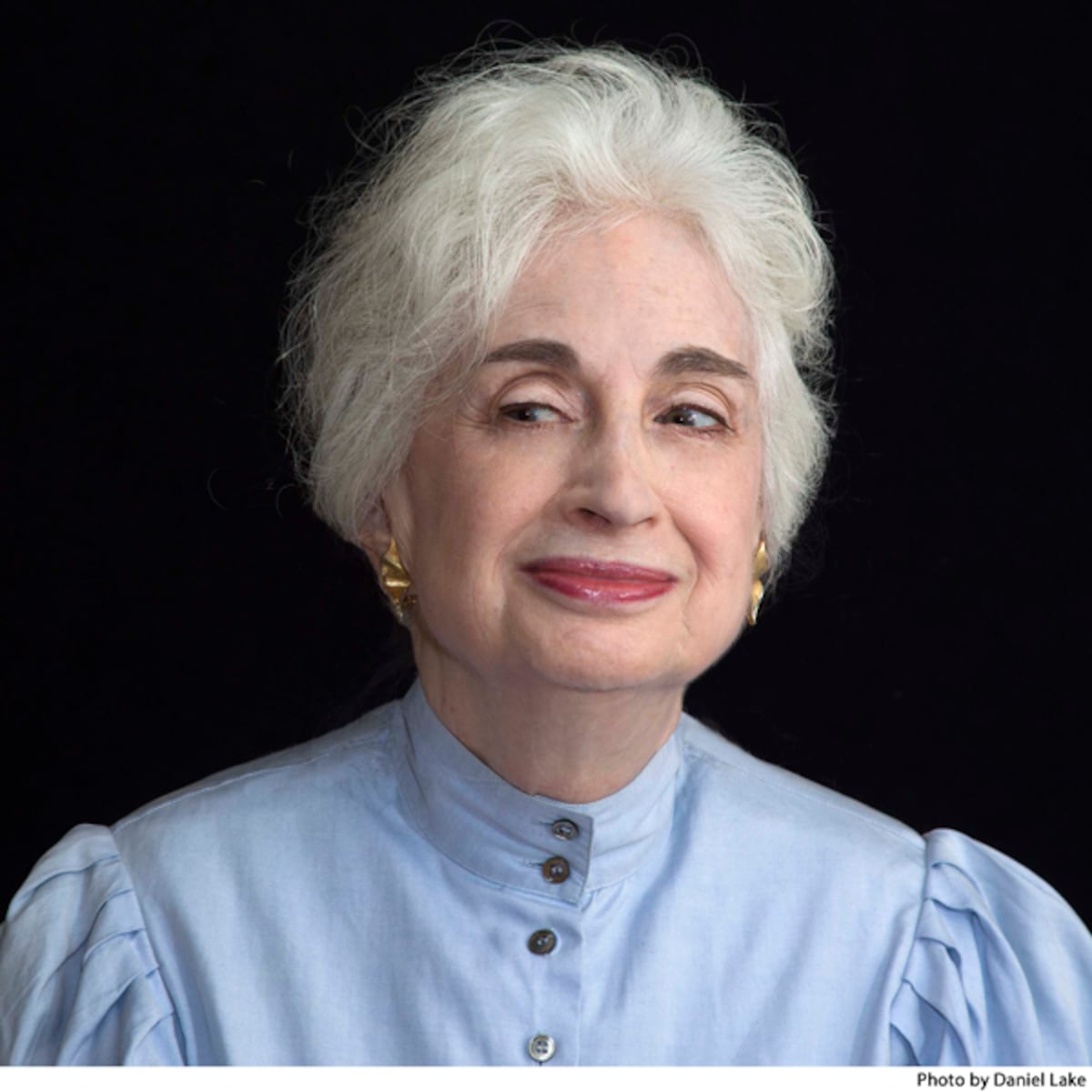
Miss Manners, a well-known etiquette expert, has weighed in on this phenomenon, noting that taking offense where none is intended has become increasingly common. The context of social interactions has shifted, leading to reactions where compliments, such as “You look nice today,” are taken as veiled criticisms of one’s appearance on other days. This trend reflects broader societal insecurities that can lead to isolation rather than connection.
Individuals, particularly those facing personal challenges, often find themselves navigating these shifting dynamics. One woman shared her experiences as a single mother, highlighting how her candidness about her past has fostered meaningful conversations with others who may be struggling. She noted that humor can break down barriers and facilitate connections, as seen when she described her divorce with a lighthearted approach.
In her interactions, the woman reported receiving compliments about her clothing, which primarily comes from resale shops or garage sales. Rather than taking offense, she embraces these remarks, responding positively and engaging with those who inquire about her fashion choices. This attitude exemplifies a constructive approach to social exchanges, promoting kindness over defensiveness.
Miss Manners encourages a similar perspective, suggesting that goodwill should be the default assumption in social interactions. While acknowledging that some comments may be inappropriate or intrusive, she advocates for responding with grace rather than hostility. In her view, ignoring barbed remarks and deflecting nosy questions can foster a more pleasant social environment.
Another letter addressed the complexities of introducing a significant other. A 56-year-old man sought advice on how to refer to his companion in social settings. Miss Manners advised against using casual terms like “pillow pal,” suggesting that the term “partner” is more acceptable for established relationships. This guidance reflects evolving norms around relationship terminology and the importance of respectful communication.
Ultimately, the discourse surrounding social interactions highlights a critical need for empathy and understanding in a world where many feel disconnected. As individuals navigate their personal struggles, fostering an environment where compliments are received as intended—expressions of goodwill—could bridge the gap between loneliness and connection.
Encouraging positivity and kindness in everyday interactions may alleviate some of the tensions felt in modern society. As Miss Manners urges, focusing on happiness and kindness can reduce the tendency to misinterpret the intentions of others.