URGENT UPDATE: Scientists have just unveiled the first-ever three-dimensional image of the interior of the Popocatepetl volcano in Mexico, a significant breakthrough that could impact the safety of millions. This revolutionary imaging provides critical insights into the volcano’s magma accumulation and activity, enhancing disaster preparedness for the 25 million people living within a 62-mile radius.
Researchers from the National Autonomous University of Mexico (UNAM), led by geophysicist Marco Calo, have combined advanced seismic data with artificial intelligence to map the volcano’s complex underground structure. Their work reveals multiple magma pools extending 11 miles below the crater, crucial for predicting potential eruptions that could threaten nearby communities.
The findings come at a crucial time, as Popocatepetl has been increasingly active since 1994, regularly emitting smoke and ash. The area’s dense population, which includes homes, schools, hospitals, and five airports, makes understanding this volcano essential for public safety.
Calo’s team doubled the number of seismographs from 12 to 22, allowing them to measure ground vibrations 100 times per second. This data was meticulously analyzed by doctoral student Karina Bernal, who employed AI algorithms to categorize seismic signals and infer the internal conditions of the volcano. The new 3D model reveals a detailed representation of the volcanic structure, surpassing earlier images that lacked resolution and clarity.
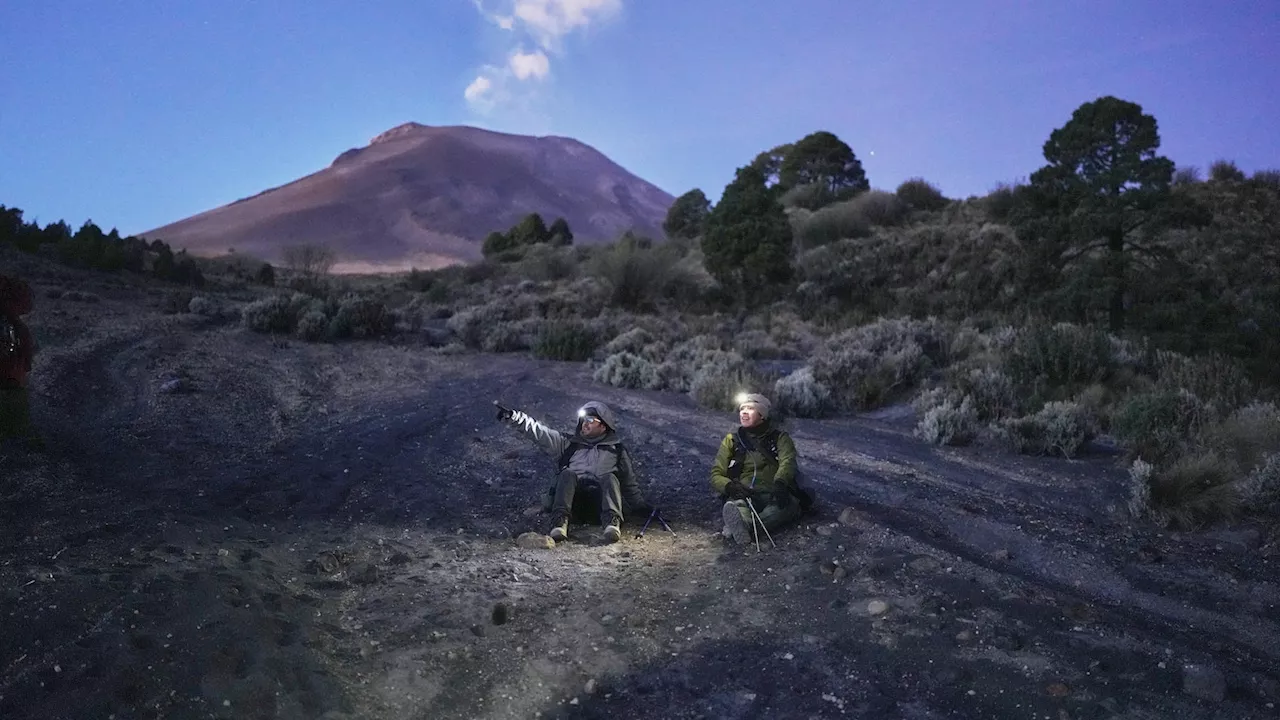
The mapping expedition required the team to camp at an elevation of 12,500 feet, providing them with a unique vantage point. From this location, they observed the volcano’s dynamic environment firsthand, noting the eerie sounds of minor tremors and ash falling like rain during heightened activity. The crater’s rim glows ominously at night, serving as a reminder of the volcano’s potential danger.
Calo emphasizes the importance of hands-on experience in understanding the volcano’s behavior, stating, “This detailed internal mapping is critical for understanding and forecasting.” His team’s research not only aims to decipher the mysteries beneath Popocatepetl but also seeks to improve the safety and security of those living in the region.
As the situation develops, authorities are urged to utilize this groundbreaking data to bolster disaster preparedness plans. The enhanced understanding of the volcano’s activity will be crucial in mitigating risks associated with future eruptions.
This urgent discovery highlights the ongoing need for scientific research in high-risk areas, ensuring that communities can better prepare for natural disasters. Stay tuned for more updates on this developing story as experts continue to analyze the implications of this groundbreaking research.