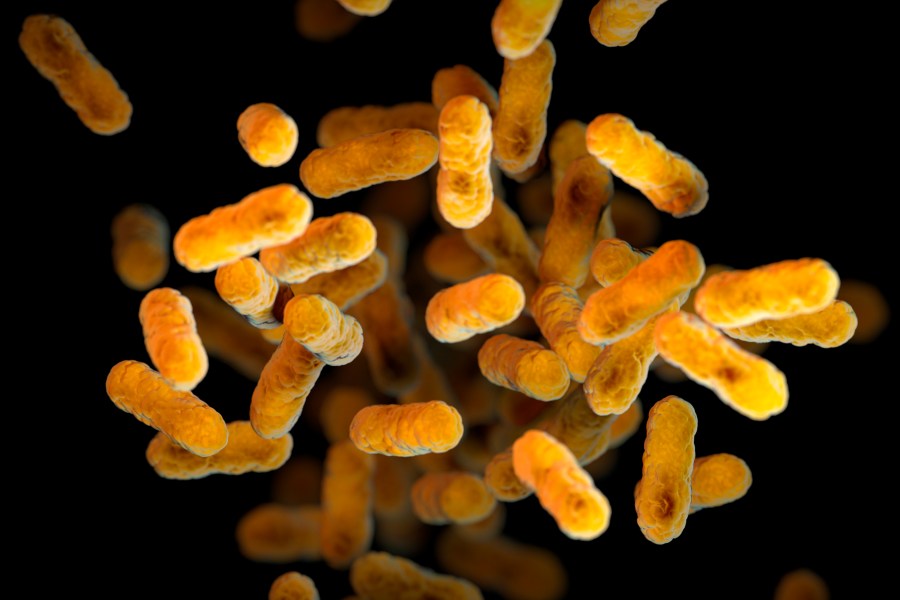
The Arkansas Department of Health has reported more than 500 cases of pertussis, commonly known as whooping cough, in 2023. This marks the highest number of cases recorded in the department’s 15-year collection history. The alarming rise in infections has prompted health officials to increase awareness and vaccination efforts across the state.
The data indicates that the current outbreak is significantly impacting various communities, particularly among children and young adults. Pertussis is known for its severe coughing fits, which can lead to serious health complications, especially in infants. In light of this, the Arkansas Department of Health is urging residents to ensure they are up to date with their vaccinations.
Vaccination Status and Public Health Response
Vaccination remains the most effective way to prevent whooping cough. Health officials emphasize that the DTaP vaccine, administered to children, and the Tdap booster, recommended for adolescents and adults, are critical in curbing the spread of this highly contagious disease.
As part of the response to the outbreak, the Arkansas Department of Health is launching public health campaigns aimed at educating residents about the importance of vaccination. Additionally, the department is collaborating with healthcare providers to ensure easy access to vaccines.
This year’s surge in whooping cough cases is not unique to Arkansas; other states have also reported increased incidents. The Centers for Disease Control and Prevention (CDC) notes that nationwide vaccination rates have seen fluctuations, which can lead to outbreaks in communities where vaccine coverage is insufficient.
Community Impact and Health Recommendations
The impact of the whooping cough outbreak extends beyond health statistics. Families with affected children are facing challenges as they navigate treatments and potential school absences. Health experts recommend that parents monitor their children for symptoms, which include a persistent cough followed by a “whooping” sound, difficulty breathing, and exhaustion after coughing fits.
If symptoms appear, families are encouraged to seek medical advice promptly. Early diagnosis and treatment can help mitigate the severity of the illness and reduce the risk of spreading it to others.
The Arkansas Department of Health continues to monitor the situation closely, emphasizing that community cooperation is essential to managing the outbreak. Vaccination not only protects individuals but also helps safeguard vulnerable populations, including infants who are too young to be fully vaccinated.
As the state addresses this public health challenge, officials remain committed to raising awareness and ensuring that communities have the resources they need to combat the spread of whooping cough. With continued education and vaccination efforts, Arkansas aims to reverse the trend of rising cases and protect the health of its residents.