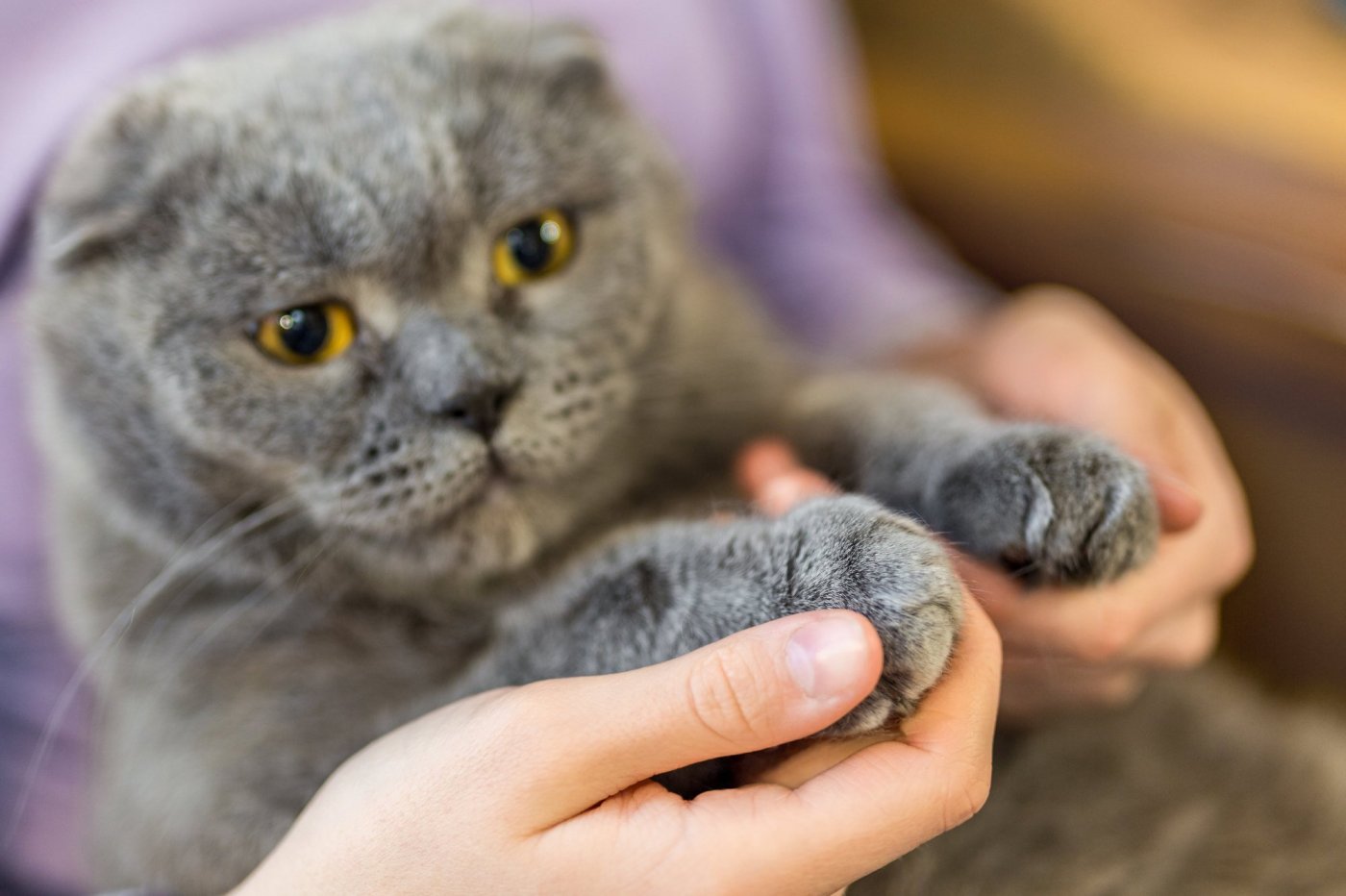
UPDATE: California has officially banned the controversial practice of cat declawing, with the new law taking effect on Thursday, October 5, 2023. This significant legislation, known as Assembly Bill 867, prohibits declawing unless it is deemed medically necessary, a move applauded by animal welfare advocates across the state.
The law, signed by Governor Gavin Newsom in October, has been a long-awaited change for many animal rights supporters. For years, the practice of declawing, which involves the surgical removal of part of a cat’s toes, has been criticized as inhumane and unnecessarily painful. Advocates argue that this procedure is akin to amputating a human’s fingers down to the first knuckle.
Joseph Hayden, president of the Vallejo-based Humane Society of the North Bay, stated, “Abolishing declawing procedures is the only thing a responsible pet parent would want for our beloved felines.” He emphasized the importance of this law, highlighting the ignorance surrounding the true nature of declawing, which he refers to as “barbarism.”
The California Veterinary Medical Association had previously opposed such legislation, arguing that decisions regarding veterinary procedures should be made on a case-by-case basis. However, the overwhelming support from animal welfare groups indicates a significant shift in public sentiment regarding feline care.
Veterinary professionals are also voicing their support for the ban. Tammy Farnsworth, practice manager at Redwood Veterinary Hospital, explained the ramifications of declawing on a cat’s ability to climb and defend itself. “After a declawing procedure, cats would not have the same ability to climb trees as before,” she noted. This raises concerns about their overall well-being and safety.
As part of the ongoing effort to help cat owners manage their pets’ scratching instincts without resorting to declawing, Farnsworth suggests alternatives. Products like Soft Claws can be used to cover cats’ claws, allowing them to maintain their natural behaviors without causing damage to furniture. Additionally, regular nail trimming and behavior modification techniques can redirect cats to appropriate scratching surfaces.
The author of AB 867, Assemblyman Alex Lee, expressed pride in the law’s passage, stating, “I’m proud to see California create a more compassionate society for our feline friends by moving away from this inhumane practice.” This new legislation positions California alongside states like New York and Maryland, which have already enacted similar bans.
As the law goes into effect, cat owners are urged to educate themselves about these changes and consider alternative solutions for managing their pets’ scratching behaviors. The shift reflects a growing awareness of animal rights and the importance of humane treatment for pets.
The immediate impact of this law resonates with cat owners and advocates alike, marking a pivotal moment in California’s approach to animal welfare. Stay tuned for further developments as the new law is implemented across the state.