Los Angeles is set to welcome a host of beloved characters and classic works into the public domain on January 1, 2026. Among them are iconic figures such as Betty Boop and Blondie, who will join the ranks of Mickey Mouse and Winnie the Pooh as their U.S. copyrights expire after 95 years. This transition allows creators to freely use and adapt these characters without seeking permission or incurring fees.
The upcoming release of these artistic treasures marks an important milestone for advocates of public domain works. Jennifer Jenkins, law professor and director of Duke University’s Center for the Study of the Public Domain, emphasizes the significance of this moment. “It’s a big year,” she stated, noting that New Year’s Day is celebrated as Public Domain Day. Jenkins highlighted that this year’s collection reflects “the fragility that was between the two wars and the depths of the Great Depression.”
Classic Characters Take Center Stage
The character of Betty Boop originated in the 1930 short film “Dizzy Dishes.” Initially depicted as a dog, her character evolved into the recognizable flapper figure celebrated in various cultural forms. She was created by Fleischer Studios and became a sensation, drawing inspiration from singer Helen Kane. With her first appearance, Betty quickly outshined her male counterpart Bimbo, becoming a staple of animated history. Artists can now explore this early version of Betty without restrictions, although her trademark remains under the ownership of Fleischer Productions.
Similarly, Blondie, the central character of Chic Young’s newspaper comic strip, debuted in 1930. The comic chronicles her life with boyfriend Dagwood Bumstead, and its legacy continues to this day. The strip, which began as a flapper’s story, gradually transformed into a comedic portrayal of domestic life.
This year also sees the addition of nine new Mickey Mouse cartoons entering the public domain, following the earlier release of “Steamboat Willie.” The character’s loyal companion, Pluto, known as Rover in his first appearance, also joins the public domain roster.
Literary Icons and Cinematic Classics
In the realm of literature, several iconic detectives will become available for new interpretations. Among them is the teenage sleuth Nancy Drew, whose first four books, starting with “The Secret of the Old Clock,” were published in 1930. The middle-aged detective Sam Spade, from Dashiell Hammett’s “The Maltese Falcon,” and the elderly sleuth Miss Marple from Agatha Christie’s “Murder at the Vicarage” also join her in this literary milestone.
Additionally, renowned author William Faulkner sees his work “As I Lay Dying” enter the public domain, following the previous release of “The Sound and the Fury.” The educational series featuring Dick and Jane, known for teaching generations to read, will also become accessible.
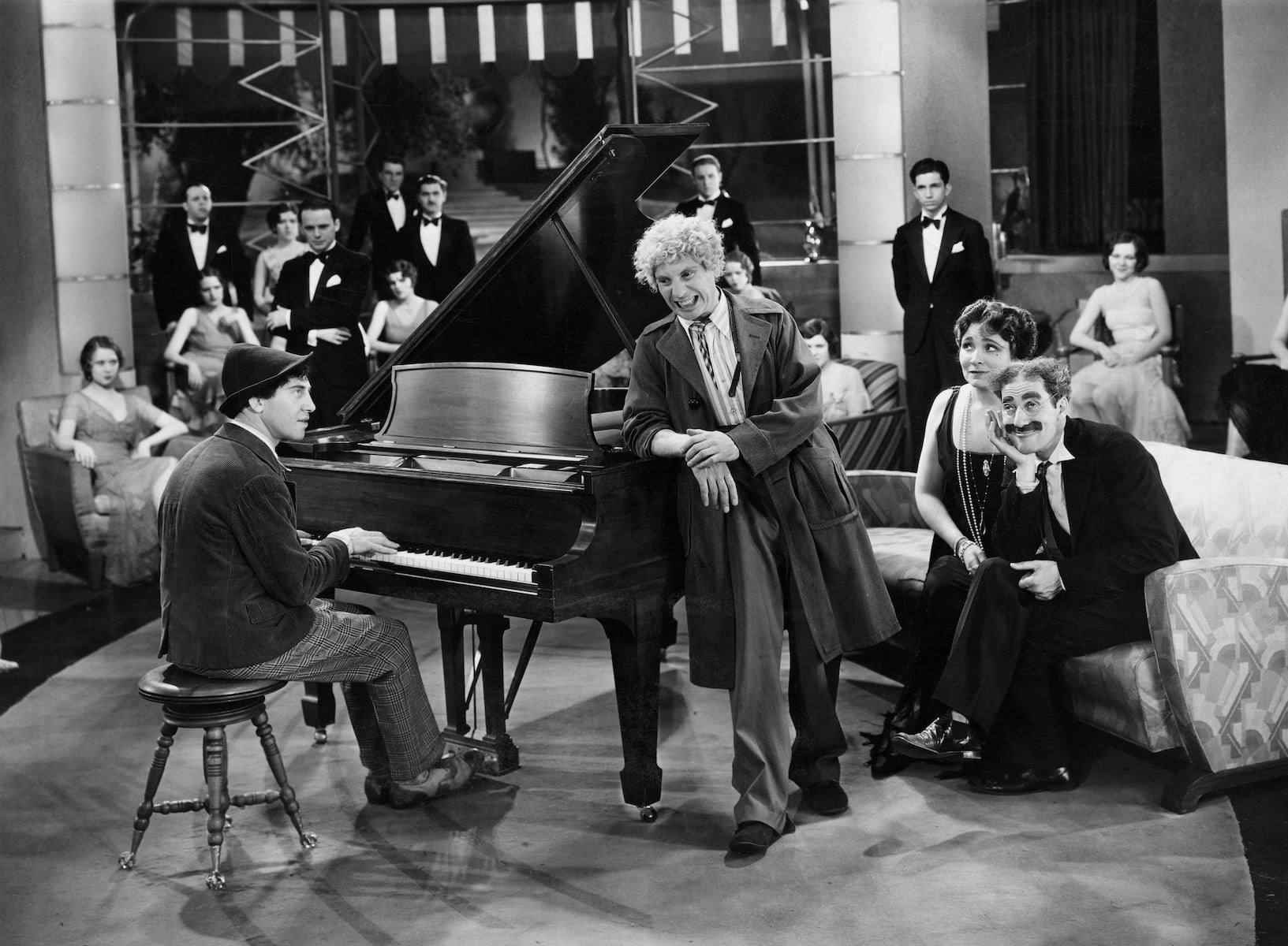
On the cinematic front, the Marx Brothers’ classic film “Animal Crackers” joins its predecessor, “The Cocoanuts,” in the public domain. This beloved comedy showcases the Brothers’ signature humor as they disrupt a high-society gathering. Other notable films entering the public domain include The Blue Angel, which solidified Marlene Dietrich’s stardom, and two Academy Award winners: “All Quiet on the Western Front” and “Cimarron.”
As the decade progresses, more pieces of Hollywood’s Golden Age will follow suit, with 2027 promising to be particularly notable with the entry of classic horror films such as the original versions of “Dracula” and “Frankenstein.”
Musical compositions also benefit from this public domain shift, with beloved songs from the Great American Songbook becoming accessible. Classics by George Gershwin, including “Embraceable You,” and “I Got Rhythm,” will be available for reinterpretation. Other notable songs include “Georgia on My Mind” and “Dream a Little Dream of Me.”
As these iconic characters, stories, and songs transition into the public domain, artists and creators can explore new avenues for expression, enriching the cultural landscape for years to come.