A prominent Pilates instructor has highlighted effective exercises that can counteract the negative effects of prolonged sitting, which is increasingly common in today’s sedentary lifestyles. According to research from Harvard Health, the average adult spends over ten hours each day seated, leading to issues such as tight hips, rounded shoulders, and stiff lower backs. Recognizing this widespread challenge, instructor Tara Riley recommends specific “anti-desk” movements to alleviate discomfort and improve overall posture.
Riley emphasizes that incorporating a few targeted exercises into daily routines can significantly mitigate the adverse effects of extended sitting. These exercises are designed to enhance mobility, improve posture, and restore balance to the body. Notably, they require no equipment and can be performed in just a few minutes.
Key Anti-Desk Exercises
Riley has outlined several effective movements that can be easily integrated into a daily routine:
1. **Swan Extension**
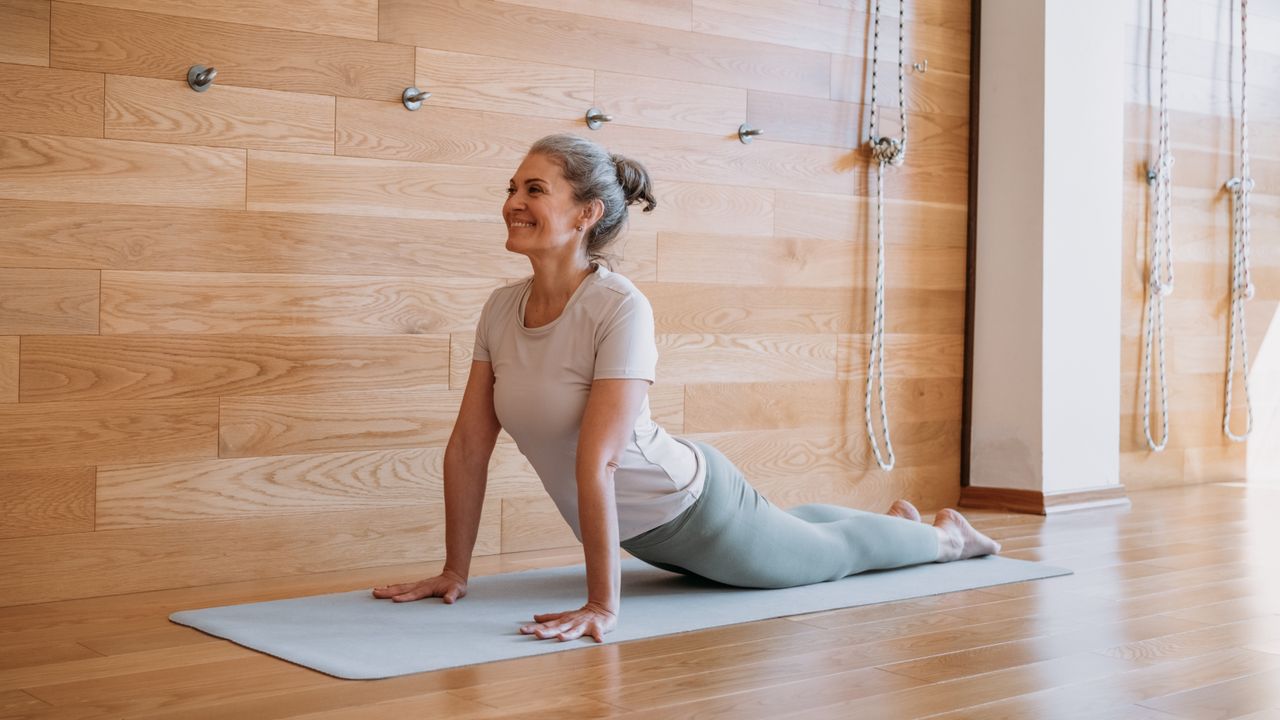
This exercise aims to counteract the rounded posture often developed from sitting. It opens up the chest and encourages spinal extension. To perform this move, lie on your stomach with your forehead resting on your hands. Press gently into your elbows to draw your shoulders down towards your hips, and lift your chest slightly. For an added challenge, lift your forearms off the ground and draw your elbows towards your waist.
2. **Mermaid Stretch**
The mermaid stretch effectively opens the ribs and the side body, which can become tight from prolonged sitting. Start by sitting or kneeling, placing one hand on the ground while reaching the other arm overhead. Inhale as you lengthen upward, and exhale as you gently arc to the side, ensuring to breathe deeply into the ribs. This stretch not only enhances flexibility but also promotes mental relaxation.
3. **Single-Leg Kick**
This exercise targets tight hip flexors and strengthens the back body, creating a balance essential for maintaining good posture. Lie on your stomach, propped up on your forearms. Bend one knee, bringing your heel toward your glutes in a controlled kicking motion while alternating legs. Ensure your spine remains long and your pelvis stable throughout the movement.
4. **Low Lunge with Reach**
Low lunges are effective for lengthening the hip flexors, a critical area affected by sitting. Begin by stepping one foot forward into a lunge, lowering your back knee to the ground. Place your hands on the floor, then lift your chest. If comfortable, raise your arms to deepen the stretch. Hold for several breaths before switching sides.
5. **Glute Bridge**
Strengthening the glutes is essential for countering the inactivity caused by sitting. To perform a glute bridge, lie on your back with your knees bent and feet hip-width apart. Press into your heels to lift your hips while keeping your ribs and pelvis aligned. Squeeze your glutes at the top of the movement, and lower back down slowly, pressing your spine into the mat.
6. **Calf Raise and Ankle Mobility**
Sitting for long periods can lead to stiff ankles, which can impede circulation and balance. This exercise helps restore movement to the lower legs. While sitting or standing, extend one leg and flex and point the toes. Perform slow circles with the foot before transitioning to standing calf raises, lifting your heels off the ground and lowering them back down gently.
Daily Movement Breaks
Riley advises incorporating 2-3 mini movement breaks throughout the day to reset joints and engage muscles that may have become inactive. These exercises serve as simple yet impactful solutions to combat the discomfort caused by hours at a desk. By dedicating just a few minutes daily to these “anti-desk” movements, individuals can achieve a greater sense of well-being and improved physical comfort.
Integrating these exercises into your routine can make a significant difference in how your body feels, ultimately promoting a more active and healthier lifestyle.