Welcoming the new year often involves personal rituals and reflections. One creative way to embrace this transition is by designing a floral arrangement that embodies your hopes and intentions for the coming months. This practice not only allows for self-expression but also taps into the rich meanings associated with various flowers.
Creating a symbolic arrangement requires careful selection of flowers that resonate with individual sentiments. While many people may turn to online resources to decipher flower meanings, it can be confusing due to the varying interpretations across cultures and historical contexts. Ultimately, the most important factor is that the flowers chosen bring joy and happiness.
Choosing Flowers with Meaning
In a recent segment of Homes & Gardens’ series, Rachel Bull, Head of Gardens, demonstrated how to create a simple yet meaningful vase design. The flowers featured in her arrangement included anemones, star of Bethlehem, ranunculus, narcissi, privet berries, eucalyptus ‘baby blue’, and acacia. The goal was to reflect feelings of hope, rejuvenation, and happiness, sentiments Bull aims to cultivate as January 1, 2026 approaches.
Starting with the foliage, Bull chose eucalyptus for its refreshing scent and healing properties. Eucalyptus oil is known for its use in natural medicine, making it a fitting choice for those looking to embrace health in the new year.
Next, she included star of Bethlehem, also known as Ornithogalum, which symbolizes hope in the Victorian language of flowers. This flower is often associated with guidance, reminiscent of its biblical namesake. The conical stems produce white star-shaped flowers over time, symbolizing purity and innocence, making it a popular choice for weddings and christenings.
Exploring Flower Symbolism
Anemones, characterized by their striking black centers and delicate petals, followed in the arrangement. The white variety is linked to sincerity, while the broader symbolism encompasses love and lost love. Anemones are particularly intriguing because they close at night and bloom again during the day, representing anticipation for the year ahead.
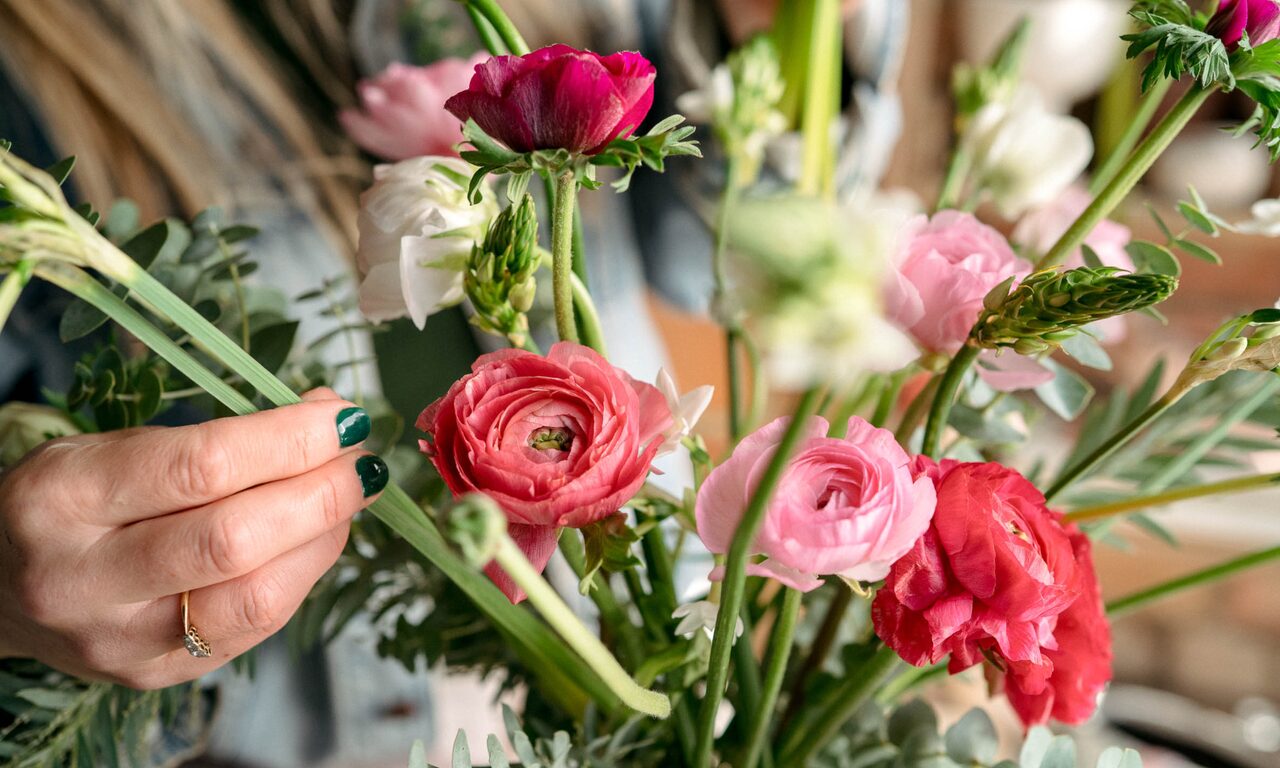
Bull’s arrangement also featured ranunculus, a flower known for its layers and charm. Traditionally, ranunculus symbolize attractiveness and joy, bringing a vibrant energy that enhances any floral display.
Narcissus, or daffodils, were added next, carrying rich historical significance. In Greek mythology, Narcissus fell in love with his own reflection, leading to his demise and the growth of these flowers in his place. Associated with renewal and new beginnings, narcissi are also viewed as symbols of good fortune in Chinese culture.
To complete the arrangement, Bull included black privet berries, valued for their dark hue and protective symbolism. While interpretations may vary, they contribute an elegant contrast to the anemones.
For those interested in further exploring the meanings behind flowers, Shane Connolly’s book, *Discovering the Meaning of Flowers*, and Jessica Roux’s *Floriography* provide valuable insights into floral symbolism.
Creating a personalized floral arrangement can serve as a beautiful ritual to welcome the new year. By selecting flowers that resonate with your aspirations, you can set a meaningful intention for the months ahead. As the tradition unfolds, the flowers not only beautify your space but also remind you of your hopes and dreams.