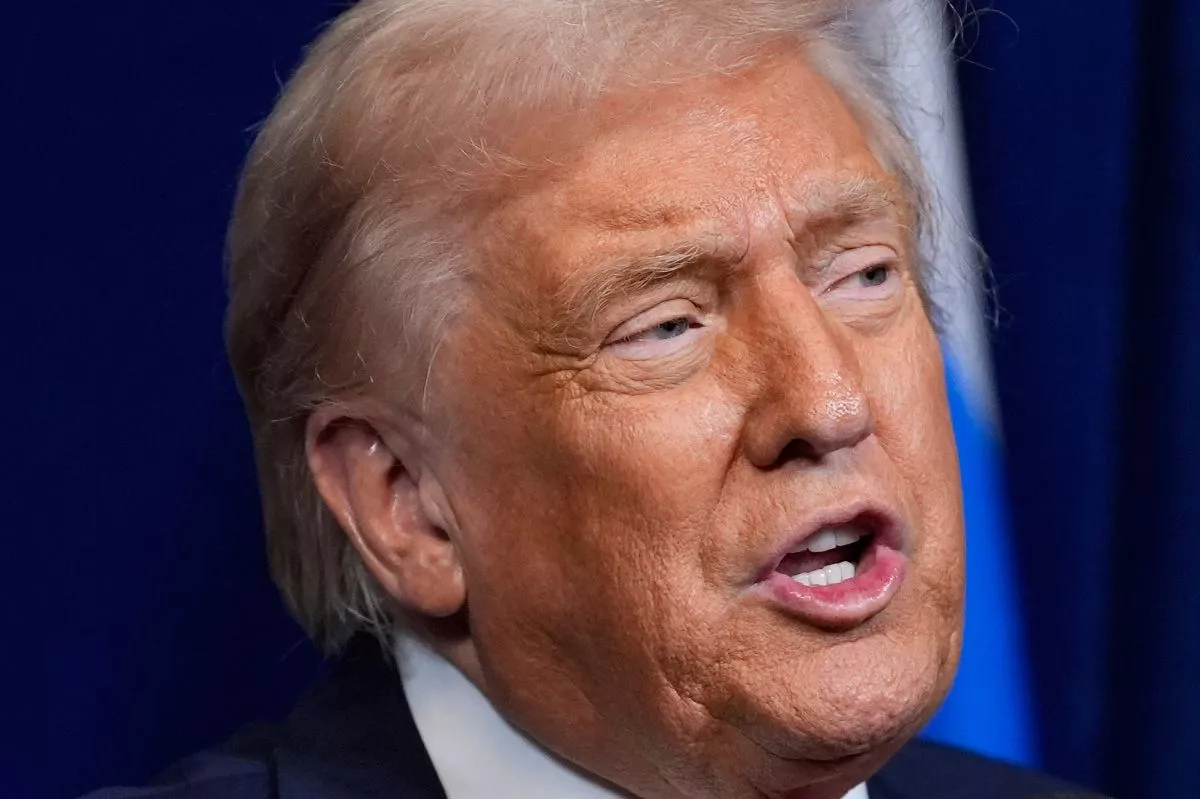
New reports confirm escalating tensions between the United States and Iran as President Donald Trump issued a stark warning to Tehran amid violent protests gripping the nation. Just hours ago, Trump declared on his Truth Social platform that if Iran “violently kills peaceful protesters,” the U.S. “will come to their rescue.” The protests, now entering their sixth day, have been fueled by the collapse of the Iranian rial and have resulted in at least seven deaths from related violence.
The unrest follows a series of U.S. airstrikes on Iranian nuclear sites earlier this month, sharply increasing friction between the two nations. With the Iranian rial trading at an alarming 1.4 million rials per dollar, widespread discontent has erupted, leading to some of the largest demonstrations since the death of Mahsa Amini in police custody last year.
In response to Trump’s remarks, Iranian officials have retaliated with threats and accusations. Ali Larijani, former speaker of Iran’s parliament, took to social media platform X to assert that the U.S. and Israel are inciting the protests, a claim he failed to substantiate. He warned Trump that U.S. intervention would only lead to chaos and destruction across the region, stating, “The people of the U.S. should know that Trump began the adventurism. They should take care of their own soldiers.”
Adding to the tension, Ali Shamkhani, a top adviser to Iran’s Supreme Leader, issued a fierce warning: “Any interventionist hand that gets too close to the security of Iran will be cut off.” These statements highlight the precariousness of the situation, with both sides poised for potential conflict.
The protests, rooted in economic hardship, have seen demonstrators not only protesting against the government but also voicing their anger towards Iran’s theocratic leadership. Despite attempts by reformist President Masoud Pezeshkian to negotiate with the public, he has acknowledged the limitations of his power amid the economic crisis.
As the situation continues to develop, analysts are closely monitoring the potential for further U.S. military involvement in the region. The Iranian regime’s aggressive posture raises questions about future actions from Washington, particularly given its extensive military presence in the Middle East.
With both nations on high alert, the world watches closely. The implications of these developments could resonate far beyond the borders of Iran, affecting global stability and international relations. What happens next could change the landscape of U.S.-Iran relations forever.
Stay tuned for updates as this situation evolves.