The **Winnetka Historical Society** has launched a new exhibit titled “Surprising Stories of the North Shore,” which opens on **January 6, 2024**. This exhibit will showcase lesser-known historical accounts from the affluent North Shore area, offering insights that extend beyond the prominent figures typically associated with the region. Visitors can explore the exhibit at the **Winnetka Library** and the **Winnetka Community House**, where it will run until the end of April.
The exhibit consists of **12 panels** that are split between the two locations, with a rotation planned halfway through its run. This initiative follows a successful debut at the **North Shore Senior Center** in Northfield, where curator **Megan McChesney** highlighted various intriguing narratives. Among these stories is the surprising history of a German prisoner of war (POW) camp located in Glenview, which operated during World War II.
Exploring Unique Narratives
The **Camp Skokie Valley** was initially established for the **Civilian Conservation Corps** (CCC) in **1933**, aimed at providing jobs during the Great Depression. Following the war, this camp transitioned to accommodate an overflow of German POWs from **Fort Sheridan**. By **June 1945**, approximately **400 POWs** were interned there, primarily engaged in salvaging gas mask components for reuse. The camp closed in **September 1945**, marking a significant chapter in local history.
Another notable story features **Abraham Lincoln**, who delivered an impromptu speech in Evanston on **April 5, 1860**. After concluding business in Chicago, Lincoln traveled to Evanston to visit local resident **Julius White**. During a carriage ride around the small community, he was invited to speak from White’s front porch, shortly before securing the Republican nomination for president.
The exhibit also sheds light on the **Underground Railroad**, focusing on the perilous routes used to transport escaped enslaved individuals to safety, particularly through Lake County. One account details **Andrew Jackson**, who sought refuge with Lyman and Clarrissa Wilmot before being hidden in Deerfield. Jackson ultimately found passage to safety on a lumber ship owned by **Sylvester Lind**, the mayor of Lake Forest.
Strengthening Community Engagement
The historical society aims to boost interest in its permanent exhibits, which have limited operating hours. **Carrie Hoza**, president of the society, emphasized the importance of a traveling exhibit that reflects the interconnectedness of North Shore communities. Collaborating with historical organizations from **Wilmette**, **Glencoe**, **Lake Forest**, and **Kenilworth**, the exhibit seeks to engage a broader audience.
With **300 to 400 visitors** daily at the senior center, the exhibit has already garnered significant attention. Hoza mentioned plans for the exhibit to continue beyond the summer, allowing other historical organizations in the area to display the material. The society’s extensive collection includes various items, such as a recreation of the office of **Frank Windes**, the renowned village engineer instrumental in key developments in Winnetka.
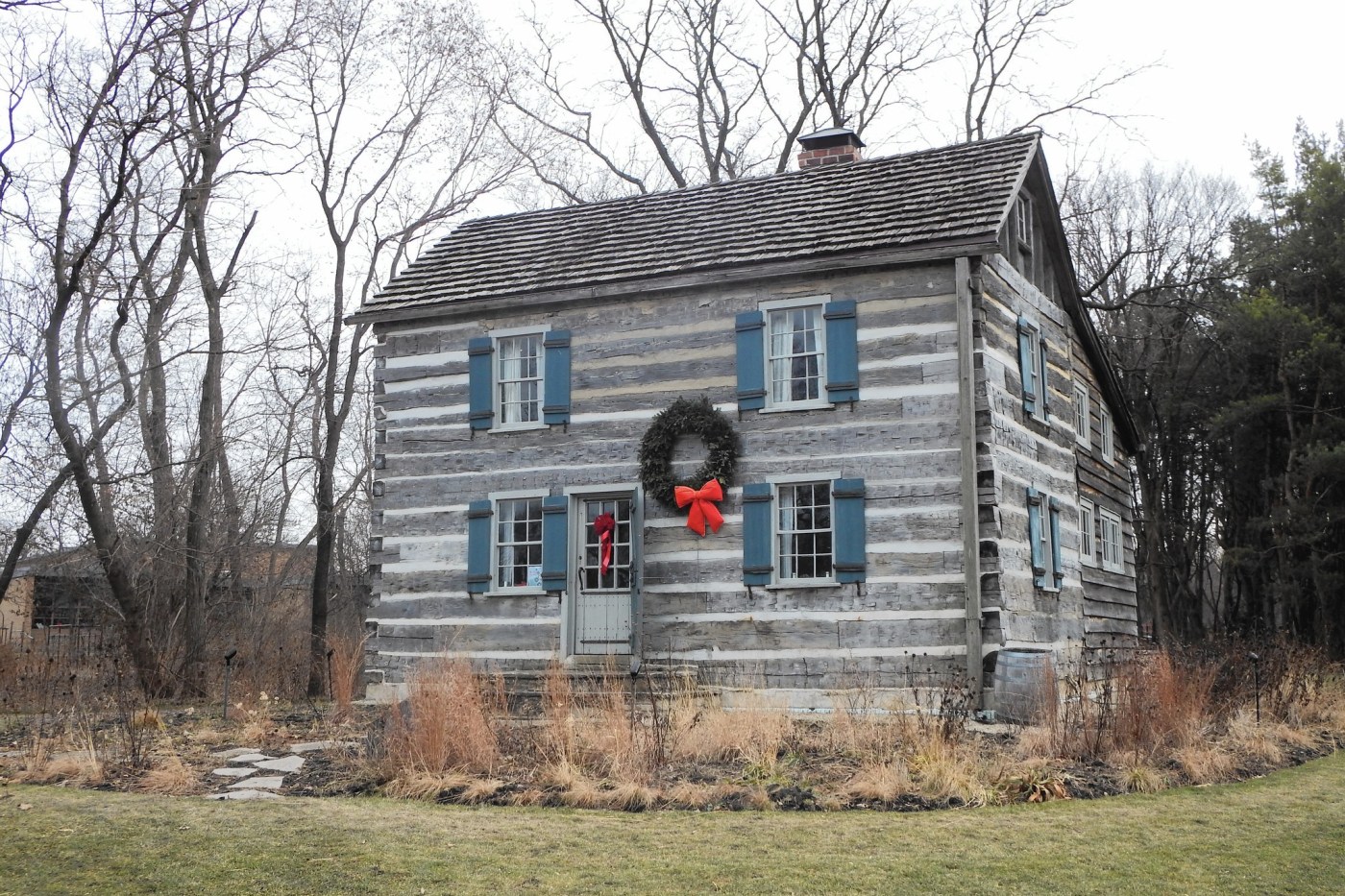
Funding for the exhibit was generously provided by the **Dr. Scholl Foundation**. Looking ahead, the society has plans to produce a documentary with filmmaker **John Newcombe** about the **Schmidt-Burnham Log House**, a historical landmark built in **1837**. This house holds the distinction of being the longest-occupied residence in northern Illinois until it was gifted to the society in **2001**.
In conjunction with the exhibit, the library will host a hybrid program titled “Surprising Stories of the North Shore” on **February 17, 2024**, at **16:00**. This event aims to further engage the community and share the rich history of the North Shore region.
The Winnetka Historical Society’s efforts underscore the importance of preserving and sharing local history, ensuring that stories of all individuals and events are recognized and appreciated within the broader narrative of American heritage.