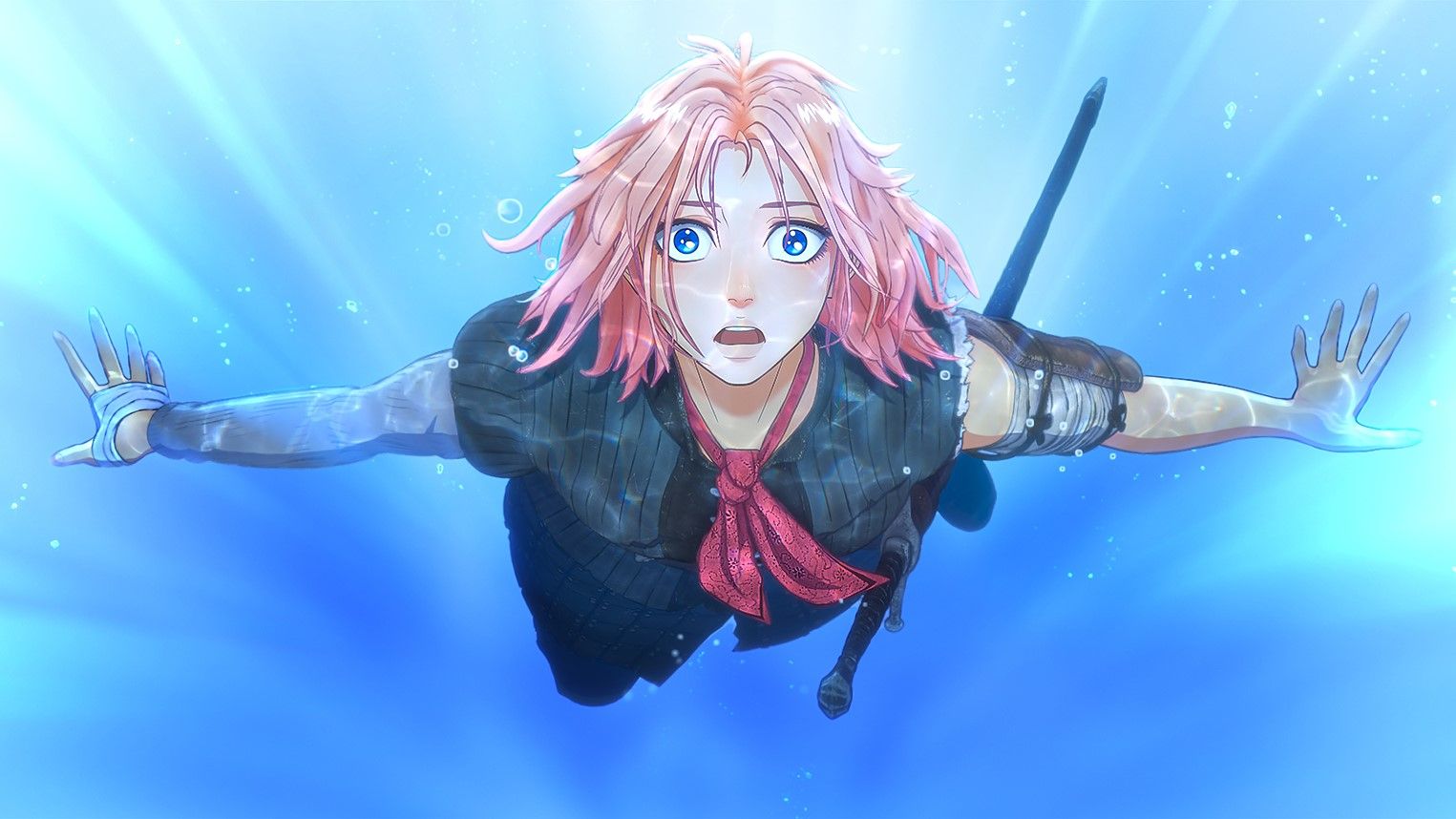
Japanese filmmaker Mamoru Hosoda is set to release his latest animated feature, Scarlet, in U.S. theaters in early 2024. This film offers a fresh interpretation of William Shakespeare‘s classic play, Hamlet, transforming a tale of revenge into a narrative centered on hope and forgiveness. The story follows Princess Scarlet, a warrior trapped in a purgatorial realm known as the “Otherworld,” after failing to avenge her father’s murder by her uncle, Claudius.
Guided by Hijiri, a modern-day paramedic from Japan, Scarlet embarks on a journey across surreal battlefields. Throughout her adventure, she confronts not only undead legions and generational hatred but also the seductive pull of the “Void.” This fusion of fantasy with a classical narrative allows Hosoda to explore themes of forgiveness and the impact of violence on the human condition.
Reimagining a Classic for Today’s Youth
In a recent Q&A included in the Scarlet press kit, Hosoda expressed concern about the current geopolitical climate, particularly in the aftermath of COVID-19. He noted that this situation has created a pervasive inability to forgive, a theme embodied by Scarlet as she grapples with her own feelings of rage and betrayal. Hosoda remarked that the character of Scarlet symbolizes the refusal to forgive, reflecting a sentiment that resonates with many today.
When Scarlet eventually confronts Claudius, she faces a pivotal choice: to hold onto her hatred or to seek a future free from vengeance. This moral dilemma mirrors the struggles faced by those who have witnessed societal upheaval. The director aims to deliver a message of positivity to younger audiences, particularly Gen Z, who have been shaped by their experiences during the pandemic. He believes that the cyclical nature of revenge depicted in Hamlet remains relevant, yet Scarlet offers a crucial twist.
The distinction between the two narratives lies in the final words of the fathers. In Hamlet, the ghost urges revenge, while Scarlet’s father implores her to forgive. Hosoda sought to provide a more optimistic character arc, allowing audiences to explore the complexities of forgiveness rather than descending into madness.
A Message of Hope Amidst Division
Hosoda’s vision for Scarlet reflects the challenges faced by contemporary youth. He draws parallels between Scarlet’s emotional turmoil and the struggles of young people today, who often feel anger and frustration in an increasingly divided world. While much of modern media tends to amplify negativity, Scarlet seeks to break through this gloom with its fairytale aesthetic and a message filled with hope.
“It’s a confusing directive,” Hosoda explained, referring to Scarlet’s dilemma regarding forgiveness. “After everything done to her family, she wonders how it can be so easy to forgive.” This question resonates deeply with current global conflicts, highlighting humanity’s collective desire to find resolutions despite the heavy toll of war.
The film promises to be a revitalized classic, offering not just a retelling of a familiar story, but also a relevant commentary on the importance of empathy and healing in today’s fractured society. As audiences await its release, Scarlet stands as a testament to the enduring power of storytelling to inspire change and foster understanding.