The craft beer industry in the United States is experiencing significant challenges, with brewery closures outpacing openings for the second consecutive year. According to the Brewers Association report “Year in Beer 2025,” the closures reflect a broader contraction in the sector, prompting concerns among brewers about the future.
As of mid-2025, the Brewers Association reported that there were 9,778 breweries operating across the country, alongside 268 new openings and 434 closures. This trend marks a notable shift from the mid-2010s, when brewery openings were significantly outpacing closures. Matt Gacioch, staff economist for the Brewers Association, noted that the current climate for new breweries is challenging due to increased interest rates and a more cautious investment environment.
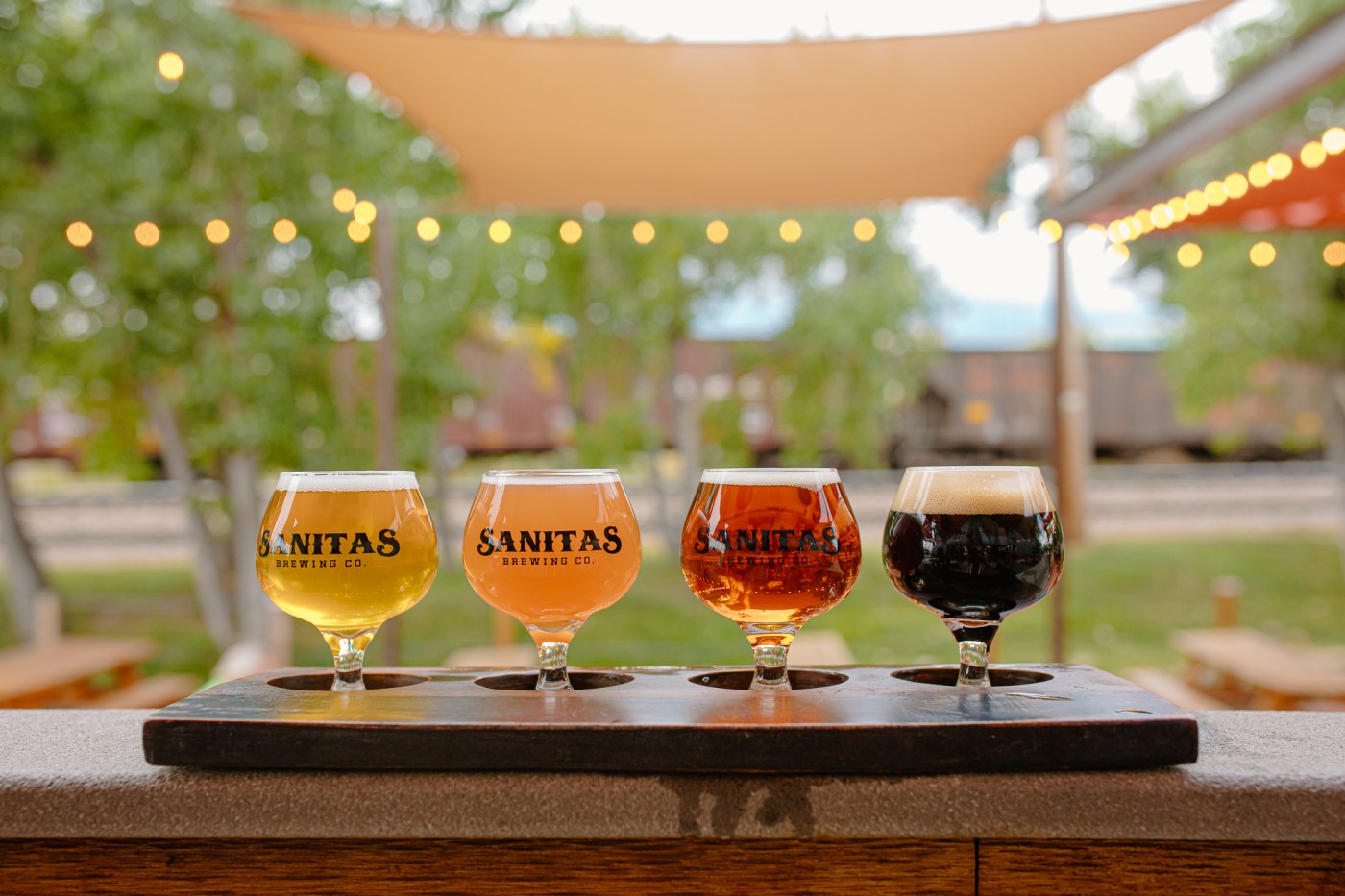
Recent closures include Sanitas Brewing Co., which shut down its Boulder taproom and locations in Lafayette and Englewood on December 20, 2025, as well as Big Beaver Brewing Co. in Loveland, which closed in November. These closures, alongside an estimated 5% decline in craft beer production, suggest that the industry is grappling with a contraction that may extend beyond the current figures.
Gacioch explained that the combination of rising costs and market saturation has made it difficult for new breweries to gain a foothold. “With the rising cost of money, it’s made it tougher in a capital-intensive industry to get a new business off the ground,” he stated. This caution among investors is understandable, as the craft beer market may have reached a saturation point where lenders are hesitant to fund new ventures.
Despite these challenges, Gacioch highlighted that there still exist opportunities for growth, particularly in localized markets where demand can vary widely. “Saturation can really come down to very localized geography and the demographics of a particular neighborhood,” he explained. “Are there parts of the Front Range that have reached market saturation? Absolutely. Are there no opportunities to find a niche? I don’t think that’s the case either.”
The craft beer industry, which supports approximately 443,000 jobs and contributes $72.5 billion to the U.S. economy, is also seeing a trend toward consolidation through mergers and acquisitions. Companies like Wilding Brands, a Lafayette-based umbrella firm, have been active in acquiring local breweries. In October, Wilding absorbed Upslope Brewing Co., further expanding its portfolio, which could soon reach 80,000 barrels of production.
In a similar vein, Left Hand Brewing Co. acquired Dry Dock Brewing Co. this spring, allowing both breweries to maximize production efficiencies. Eric Wallace, co-founder and CEO of Left Hand, expressed a commitment to exploring new partnerships and navigating the evolving landscape for independent breweries.
As the industry looks to the future, Gacioch cautioned that many challenges are likely to persist into 2026. “Many of the headwinds currently facing the industry aren’t expected to disappear,” he stated. However, there is also room for cautious optimism. With interest rates projected to decline, conditions for expansion may improve. Consumer research indicates a potential increase in socialization, which could bode well for craft beer sales.
Gacioch concluded with a hopeful perspective on the industry’s resilience. “Beer has been around since the dawn of civilization,” he said. “It’s a roller coaster, but the business owners who get creative in today’s environment will be the ones who thrive.”
This article was first published by BizWest, an independent news organization, and is published under a license agreement. © 2025 BizWest Media LLC.