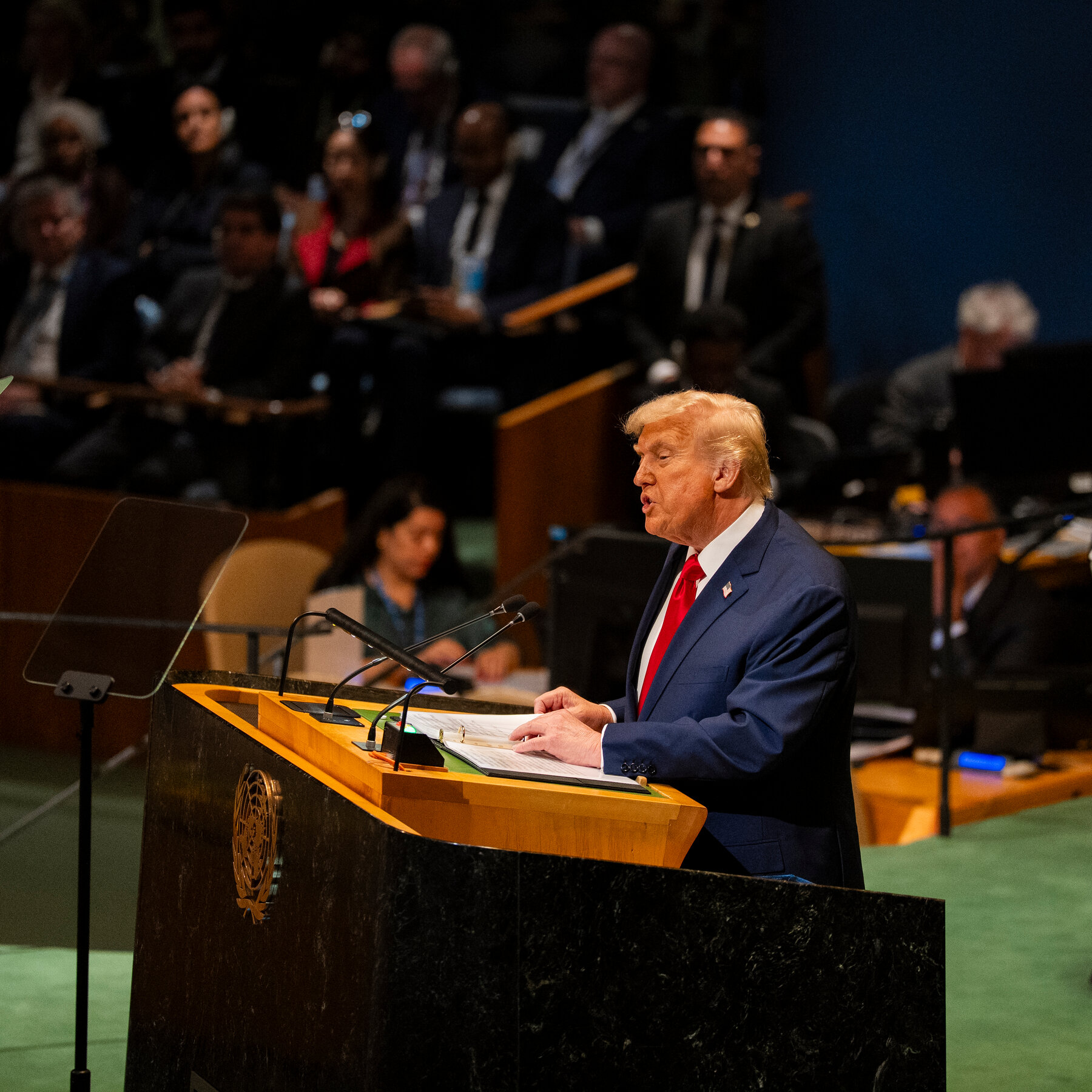
Former President Donald Trump formally announced the United States’ withdrawal from the Paris Climate Accord on November 4, 2020. This significant move undermines efforts to combat global climate change and raises concerns about the future of international climate agreements. The Paris Accord, established in 2015, aims to unite nations in reducing greenhouse gas emissions to limit global warming to below 2 degrees Celsius.
The decision, made during Trump’s presidency, reflects a broader skepticism toward international agreements aimed at addressing environmental issues. Critics argue that this withdrawal could hinder future administrations’ ability to rejoin the accord, complicating the United States’ role in global climate discussions. The White House cited economic concerns and regulatory burdens as primary reasons for the exit.
Impact on Global Climate Efforts
The implications of this withdrawal extend beyond U.S. borders. According to the United Nations, the United States is one of the largest emitters of greenhouse gases, accounting for approximately 15% of global emissions. This makes its participation crucial for the success of the Paris goals. Many nations have expressed disappointment, emphasizing that a united approach is essential for effective climate action.
Following the withdrawal, countries such as France and Germany reaffirmed their commitment to the accord, highlighting that international cooperation is vital in tackling climate change. The agreement has been lauded for fostering collaboration among nations, and without the U.S., the momentum may wane.
The Paris Accord requires participating countries to set their own emission reduction targets, known as Nationally Determined Contributions (NDCs). The U.S. had pledged to cut its emissions by 26-28% from 2005 levels by 2025, a goal now left unfulfilled. This shift could impact global efforts to achieve the targets set in the agreement, as other nations may reconsider their commitments in light of the U.S. withdrawal.
Future of U.S. Climate Policy
Looking ahead, the potential for re-engagement with the Paris Climate Accord lies with future administrations. Experts suggest that a change in leadership could facilitate a return to the agreement, but the process may not be straightforward. Rejoining would require the U.S. to develop a new NDC and gain international trust.
The withdrawal has also sparked discussions about domestic climate policy. Environmental advocates are urging the incoming administration to prioritize climate initiatives that address the challenges posed by climate change. As global temperatures continue to rise, the pressure for action intensifies, and the role of the U.S. in this landscape remains a focal point.
The implications of this decision resonate within the international community, prompting calls for sustained action against climate change, regardless of the U.S.’s participation in the Paris Accord. As nations prepare for future climate negotiations, the need for collaboration and commitment to environmental sustainability remains paramount.