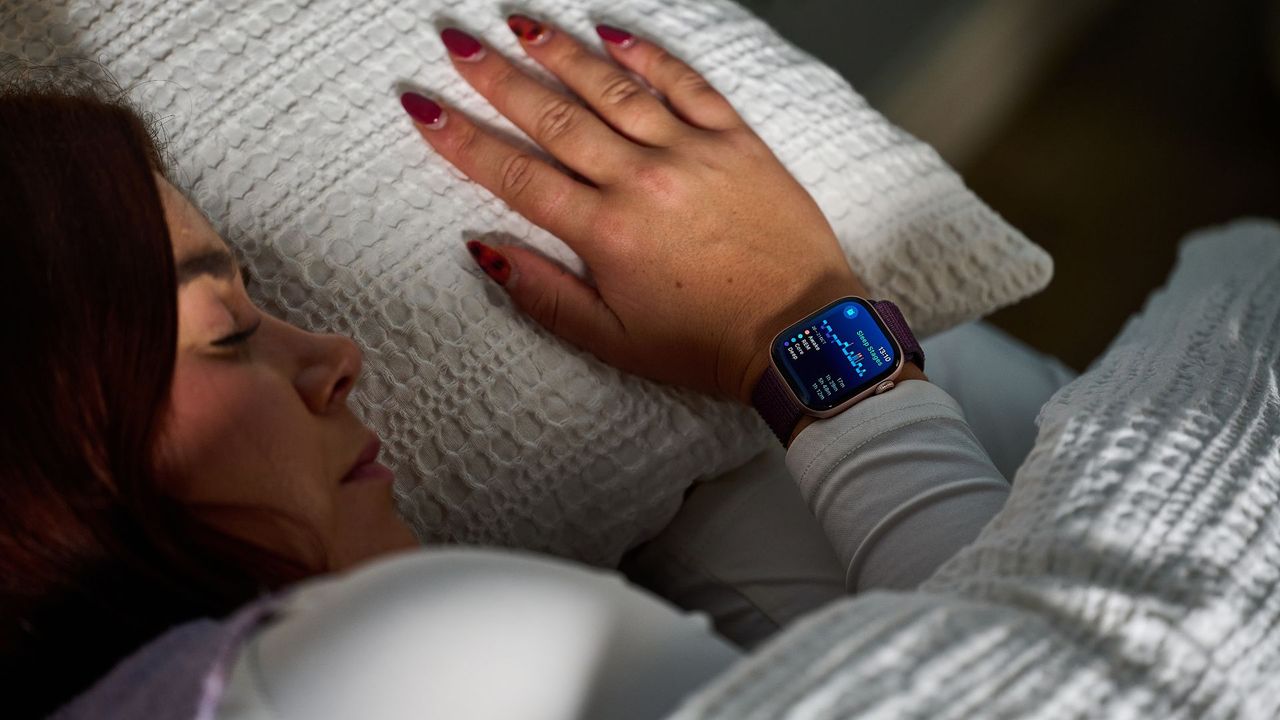
With the arrival of 2026, many individuals are exploring ways to improve their sleep quality using innovative technology. Smartwatches, often associated with fitness tracking, are proving to be effective tools for enhancing rest. Leading brands such as Apple and Garmin have integrated advanced sleep tracking features that allow users to better understand their sleep patterns and habits.
Research indicates that sleep tracking can improve awareness of individual sleep needs. According to Tim Rosa, CEO of Somnee and former Chief Marketing Officer at Fitbit, monitoring metrics such as sleep onset and time spent in different sleep stages can provide insights into sleep hygiene. He emphasizes, “Keeping track of metrics can help individuals understand how daily habits like activity levels, diet, and screen time might impact their sleep.”
Despite the advantages, experts caution against becoming overly fixated on sleep data. Dr. Nerina Ramlakhan, a sleep expert at Oak Tree Mobility, warns that an obsession with achieving a “perfect” sleep score can lead to orthosomnia, an unhealthy preoccupation with sleep quality.
Maximizing the Benefits of Your Sleep Tracker
Using a smartwatch effectively for sleep tracking involves several key strategies. First, it is crucial to wear the device consistently. For accurate data, ensuring that the smartwatch is securely fitted overnight allows sensors to capture biometric information accurately. This consistent use enables the device’s algorithms to learn individual sleep patterns, offering tailored insights.
Maintaining a sleep diary can also enhance the tracking experience. Users are encouraged to record their perceived sleep quality, noting factors such as difficulty falling asleep or waking during the night.
“Effective sleep trackers can help users evaluate how their routines and lifestyle might be negatively or positively impacting sleep,”
Rosa explains. This practice not only aids in assessing the smartwatch’s performance but also helps identify potential disruptors to sleep quality.
Another critical point is to focus on trends rather than specific scores. Dr. Ramlakhan advises against becoming overly concerned with metrics. Instead, users should observe how their daily choices affect their sleep. Understanding terms like sleep latency—how long it takes to fall asleep—and sleep efficiency can lead to meaningful improvements.
Practical Tips for Better Sleep
Once users have gathered their sleep data, several actionable steps can be taken to enhance sleep quality. Establishing a consistent sleep schedule is vital. Regular sleep-wake times help regulate the body’s internal clock, making it easier to fall asleep and wake up feeling refreshed.
Optimizing the sleep environment is another effective strategy. Many modern smartwatches, particularly the latest models from Apple, can monitor wrist temperature during sleep. This information can indicate whether temperature fluctuations are contributing to sleep disruptions. Keeping the bedroom at a comfortable temperature—ideally between 65 to 70 °F (18 to 21 °C)—is recommended.
Additionally, smartwatches can detect environmental noise, allowing users to pinpoint disturbances like a snoring partner or outside traffic. If noise is an issue, investing in quality sleep headphones may be beneficial.
Finally, making healthier lifestyle choices plays a significant role in sleep quality. Experts emphasize that habits established during the day, from morning routines to evening meals, impact nighttime rest. The data collected from sleep trackers can motivate users to make adjustments, such as reducing caffeine or alcohol intake.
By leveraging the capabilities of smartwatches, users can better understand their sleep patterns and implement meaningful changes. With the right approach, technology can serve as a valuable ally in achieving restful sleep and overall well-being.