Researchers at the University of Southampton have made a significant breakthrough in cancer treatment by developing a new class of antibodies that enhance the immune system’s ability to combat cancer. This innovative approach, which involves clustering immune receptors that typically receive weak signals from tumors, enables T cells to mount a more effective attack against cancerous cells. The findings, published on January 9, 2026, in the journal Nature Communications, could pave the way for more effective immunotherapy treatments.
Mechanism of Action: Amplifying Immune Responses
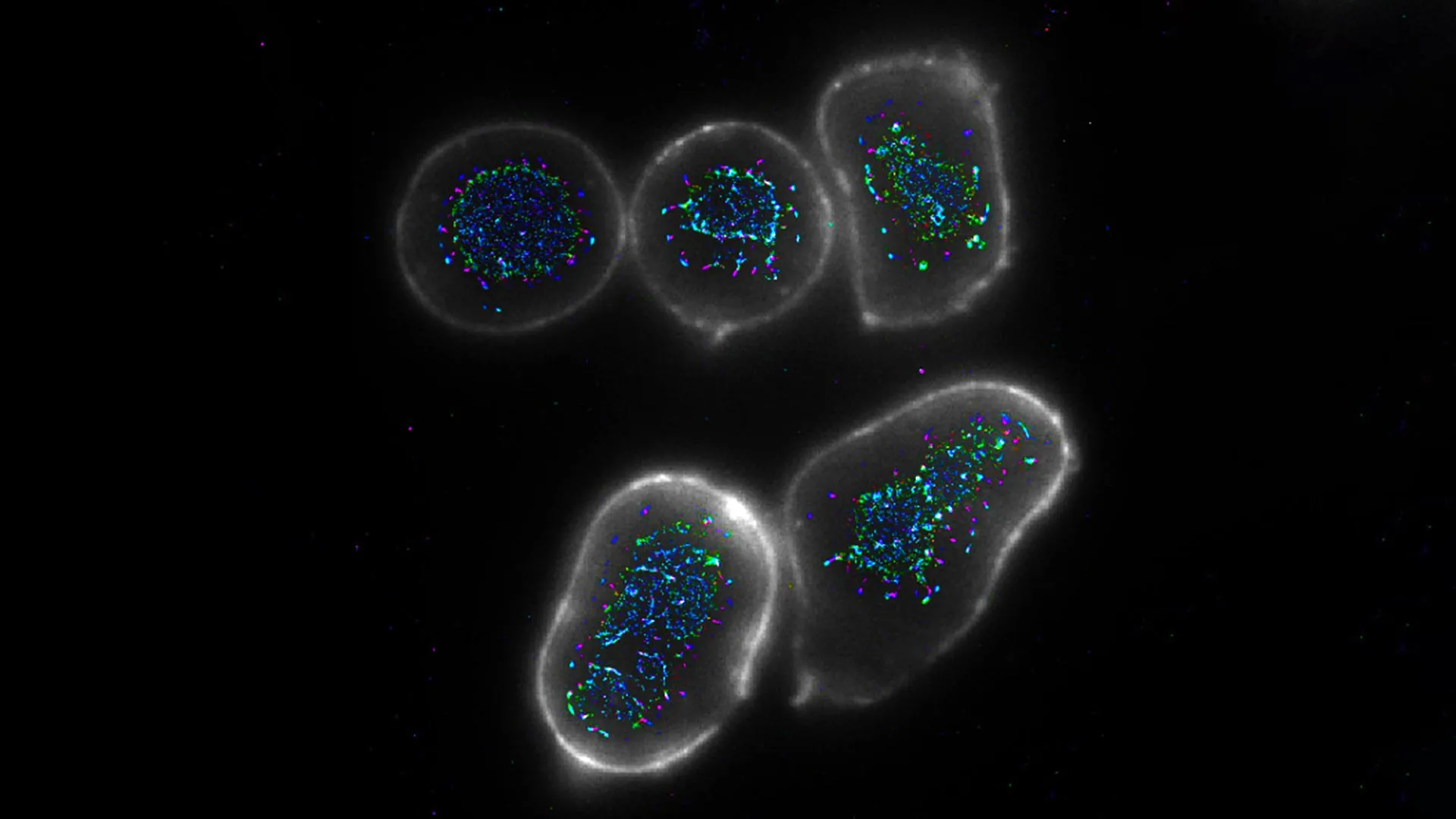
The newly engineered antibodies are designed to activate T cells, the immune cells critical for targeting and destroying cancer cells. By clustering several immune cell receptors simultaneously, these antibodies increase the strength of the activation signal, prompting T cells to respond more vigorously to tumors. The research team specifically focused on the CD27 receptor, which requires a matching ligand to activate T cells. While the body naturally produces this ligand during infections, cancer cells often do not, leaving T cells with only a weak activation signal and impairing their ability to attack tumors effectively.
Traditional antibodies, commonly used in medical treatments, typically possess a Y-shaped structure with two binding arms, limiting their capability to activate only two receptors at a time. Although these antibodies have revolutionized cancer care, they do not work universally, as some cancers can inhibit T cells from fully activating without the necessary combination of signals.
Innovative Four-Pronged Design
The researchers’ novel antibodies feature a four-pronged design, allowing them to bind to multiple receptors simultaneously. This design not only enhances the activation signal but also recruits additional immune cells, promoting a significant clustering of CD27 receptors. Professor Aymen Al Shamkhani, who led the research, stated, “We already understood how the body’s natural CD27 signal switches on T cells, but turning that knowledge into a medicine was the real challenge.” He emphasized that while antibodies are reliable molecules for drug development, the conventional format was insufficiently potent, necessitating the creation of a more robust version.
Laboratory tests using both mouse models and human immune cells demonstrated that the new antibodies were far more effective in activating CD8 + T cells compared to standard Y-shaped antibodies. Dubbed the “special forces” of the immune system, CD8 + T cells are essential for directly eliminating cancer cells. The enhanced activation resulted in a significantly stronger anti-tumor response, showcasing the potential of this approach to improve cancer treatments.
Professor Al Shamkhani added, “This approach could help improve future cancer treatments by allowing the immune system to work closer to its full potential.” The research was funded by Cancer Research UK and highlights the role of the Centre for Cancer Immunology at the University of Southampton in advancing innovative solutions in cancer immunotherapy.
This new strategy not only provides insights into T cell activation but also opens avenues for developing therapies that better utilize the immune system’s natural capabilities, marking a promising advancement in the fight against cancer.