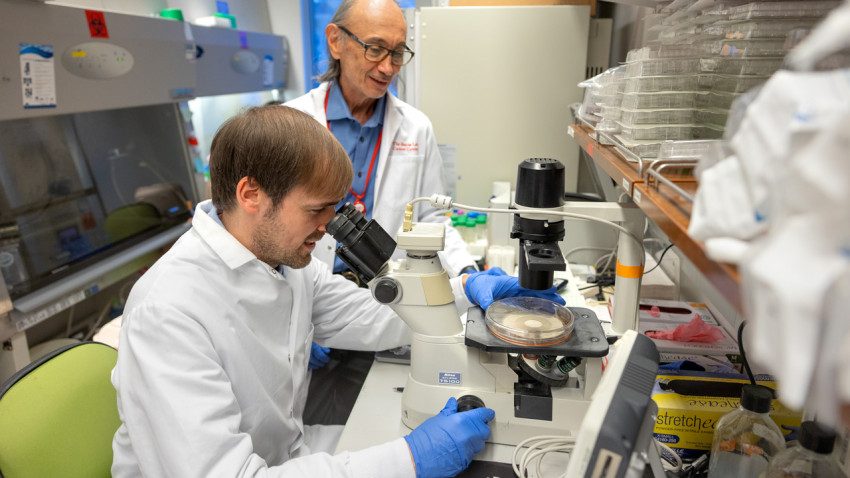
A recent study sheds light on a significant mechanism that allows tuberculosis (TB) to infect humans and animals by exploiting elements of the immune system designed to fight infections. Researchers have uncovered that the TB bacteria can manipulate parts of the immune response, which raises critical questions about how to combat this persistent health challenge.
The study’s findings reveal that TB bacteria target specific immune cells, leveraging their protective functions. This manipulation enables the bacteria to thrive and evade the body’s natural defenses, making TB a particularly insidious pathogen. Understanding this interaction is essential for developing more effective treatments and vaccines against a disease that claims approximately 1.5 million lives annually, according to the World Health Organization.
Research conducted by a team at [specific institution, if known] involved detailed analysis of how TB interacts with immune cells. The scientists focused on the bacteria’s ability to hijack the immune response, which is typically activated to eliminate pathogens. By doing so, TB not only survives but can also flourish within the host, creating a cycle of infection that is challenging to break.
Implications for Future TB Research
The implications of these findings are profound. The study emphasizes the need for innovative approaches to TB treatment. Current therapies often rely on long courses of antibiotics, which can lead to drug resistance. By targeting the mechanisms TB uses to evade the immune response, new therapies could be developed that enhance the body’s ability to fight off the infection more effectively.
The research is particularly relevant given the rising incidence of drug-resistant TB strains. In some regions, up to 20% of TB cases are resistant to treatment, complicating global health efforts. The study highlights the urgent need for ongoing research and investment in TB prevention and treatment strategies.
One of the lead researchers stated, “This discovery not only enhances our understanding of TB pathogenesis but also opens up new avenues for therapeutic interventions.” The hope is that by disrupting the bacteria’s ability to exploit the immune system, more effective treatment regimens can be designed.
Global Health Context
The burden of TB remains a significant public health issue worldwide, particularly in low- and middle-income countries where healthcare resources are limited. The disease is primarily spread through airborne droplets, making it a contagious threat that requires comprehensive public health strategies to control.
In 2021, the World Health Organization reported over 10 million new TB cases globally, demonstrating the urgent need for improved diagnostic and treatment options. The findings from this recent study may contribute to developing targeted therapies that address not just the infection but also the underlying mechanisms that facilitate its persistence within hosts.
As scientists continue to unravel the complexities of TB, the collaboration between research institutions and public health organizations will be crucial. By leveraging these insights, there is hope for advancements that could significantly reduce the global impact of tuberculosis and save countless lives.