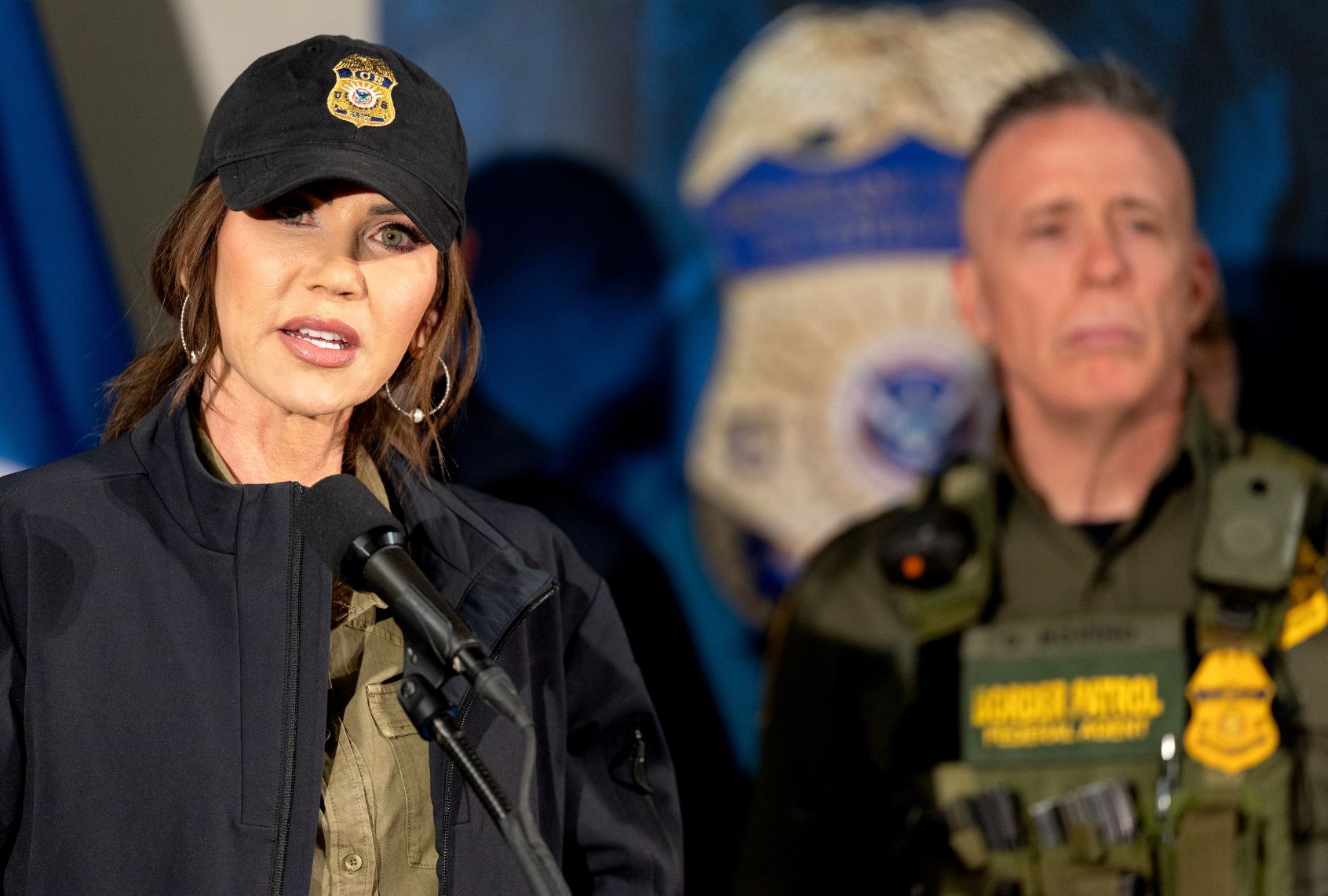
A recent incident in Minneapolis has reignited discussions surrounding law enforcement practices following the fatal shooting of Renee Nicole Good, a 37-year-old mother, by an officer from the Immigration and Customs Enforcement (ICE) agency. The shooting, which occurred while Good was in her vehicle, has led to conflicting narratives from federal and local officials regarding its justification and the tactics employed.
The shooting has raised questions about ICE’s use-of-force policies, particularly concerning the shooting at moving vehicles. These policies differ significantly from those adopted by many police departments across the United States, which have increasingly moved towards prohibitions on such actions. This trend has been associated with a decrease in police-related fatalities, highlighting the necessity for a critical examination of current practices.
In the past, the New York City Police Department implemented a ban on shooting at moving vehicles, resulting in a notable reduction in police shootings without compromising officer safety. There is a growing consensus among law enforcement agencies and experts that any use of deadly force should reflect a commitment to preserving human life, aligning with ethical policing standards.
Despite this consensus, incidents like Good’s shooting continue to occur. Not all law enforcement agencies have adopted strict policies, and even those that do may have ambiguous guidelines. In many cases, explicit prohibitions against discharging firearms at vehicles are not codified in law, leaving officers who violate departmental policies without accountability.
ICE’s current policy allows officers to fire at a moving vehicle only if it is deemed necessary to prevent a “grave threat.” The policy explicitly states that deadly force should not be used merely to prevent a suspect from fleeing. However, the lack of clear directives for officers to avoid the path of moving vehicles is a significant omission. This is in stark contrast to the Department of Justice’s guidelines, which state that officers should not shoot at a vehicle if they can safely move out of its way.
In 2022, President Joe Biden issued an executive order mandating federal agencies, including ICE, to establish use-of-force policies that meet or exceed Department of Justice standards. Despite this directive, ICE’s policy has not incorporated provisions advising officers to step aside in the path of oncoming vehicles.
The rationale for avoiding shooting at moving vehicles is rooted in the principle of prioritizing human life. In many situations, officers have alternative, less lethal options to manage threats. For instance, stepping out of the way of an approaching vehicle can prevent unnecessary harm to both the suspect and the officer. This approach is supported by a recent analysis that found nearly three-quarters of the largest police departments in the United States have adopted policies prohibiting such actions.
The Minneapolis shooting serves as a stark reminder of the persistent gap that often exists between legal frameworks, departmental policies, and best practices in law enforcement. Closing this gap is essential for enhancing public safety and accountability. Historical changes, such as the abolishment of the “fleeing felon rule,” demonstrate that revisions to use-of-force policies can significantly reduce fatal encounters with police.
As discussions about law enforcement tactics continue, the need for comprehensive reform in use-of-force policies remains critical. By aligning agency practices with established best practices, there is potential for meaningful change that prioritizes the protection of life while ensuring accountability for law enforcement officers.
This incident not only highlights the complexities of policing but also underscores the urgent need for ongoing dialogue about the standards governing use-of-force policies in law enforcement agencies around the country. The outcomes of such discussions will ultimately shape the future of policing and its commitment to valuing human life.