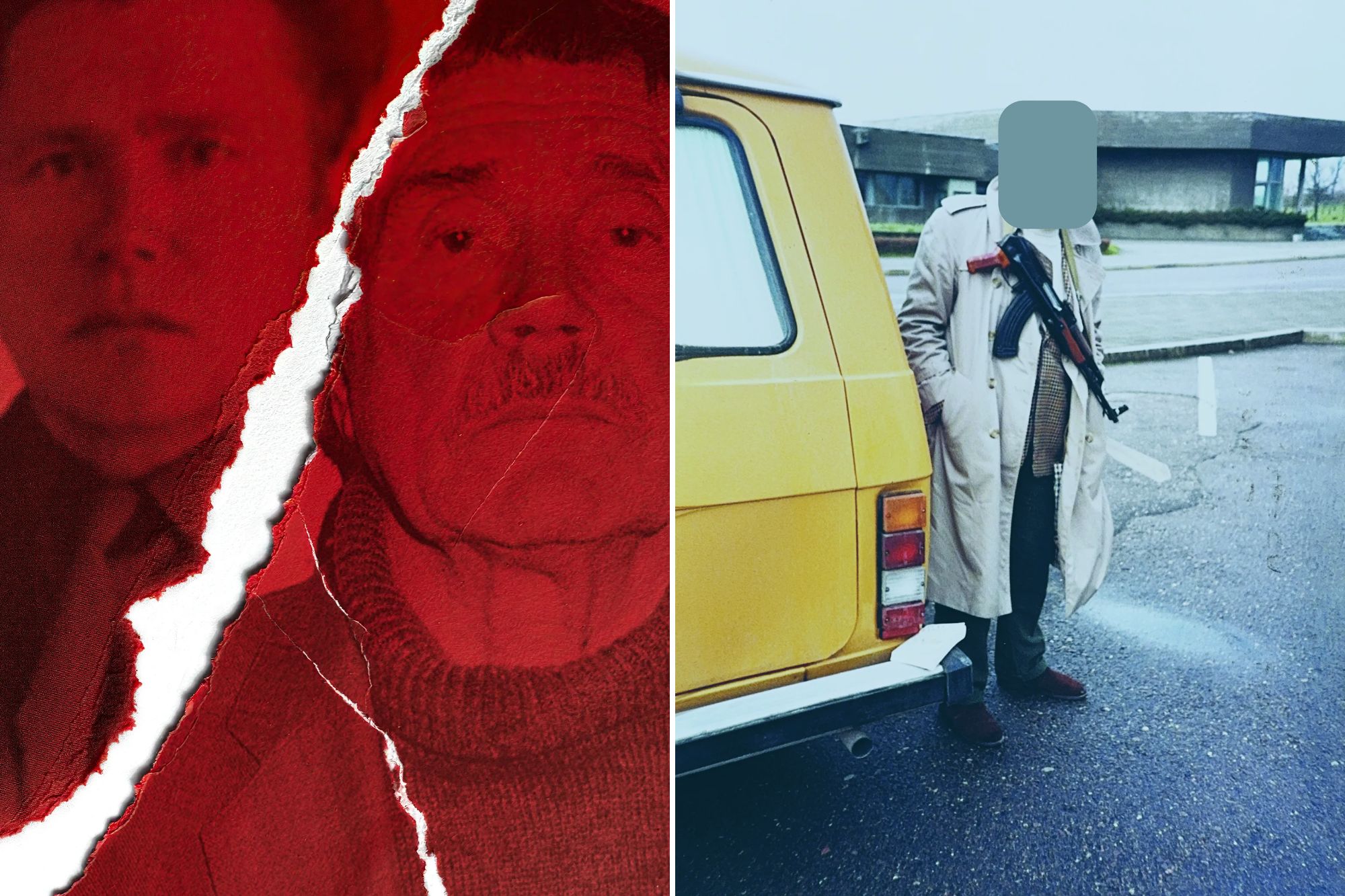
On March 7, 1992, Vasili Mitrokhin, a retired KGB archivist, embarked on a life-changing journey that would lead him to defect from the Soviet Union, bringing with him an extensive collection of classified intelligence documents. This remarkable event occurred in Klaipėda, a port city in Lithuania, just months after the collapse of the Soviet regime. Mitrokhin’s defection not only marked a significant moment in Cold War history but also revealed the extensive operations of Soviet espionage.
Vasili, accompanied by his family, faced a harrowing escape orchestrated by British intelligence. Unbeknownst to them, this medical trip was a cover for their defection. As they arrived at the docks, tension filled the air. Armed individuals lurked in the shadows, and chaos erupted as the family realized the gravity of their situation. The moment crystallized when Vladimir Mitrokhin, Vasili’s son, confronted his father with the shocking revelation: “You’re a spy,” followed by the piercing accusation of “Traitor.”
From the Depths of the KGB Archive
Vasili Mitrokhin was born in 1922 in rural Russia and served in Soviet intelligence after World War II. His career took a turn when he was reassigned to the KGB archives in 1956, a position often seen as a dead end. Yet, it was here that he discovered the dark secrets of Soviet operations. As he processed extensive files during the KGB’s move from its Moscow headquarters to a new facility in Yasenevo, he became acutely aware of the organization’s nefarious activities, including atomic espionage and the suppression of dissent.
According to historian Gordon Corera, who details Mitrokhin’s story in his book, “The Spy in the Archive: How One Man Tried to Kill the KGB,” Vasili documented these revelations in a coded manner. He meticulously compiled handwritten notes and later transcribed them using a portable typewriter he named “Erika.” These documents, which he stored in secret locations, detailed thousands of KGB operations and identified numerous agents.
His secret archive represented a “trail of filth,” as he later described it, documenting betrayals, torture, and assassinations carried out in the name of maintaining Communist power. For over a decade, he labored in secrecy, convinced that one day the truth would emerge.
A New Dawn and a Dangerous Escape
The collapse of the Soviet Union in 1991 provided the backdrop for Vasili’s long-awaited escape. With the political landscape shifting, he ventured into the British Embassy in Vilnius in March 1992, carrying a duffel bag filled with invaluable intelligence. There, a young diplomat recognized the significance of the documents, which detailed extensive KGB operations, including the infamous Cambridge spy ring and networks of deep-cover agents.
British intelligence recognized the value of Mitrokhin’s archive, calling it the “biggest counter-intelligence bonanza of the postwar period.” However, executing a safe extraction was fraught with challenges. Vasili insisted that his family accompany him, not revealing their true situation until they were at the dock in Klaipėda.
As tensions peaked amidst the chaos, British operatives worked against the clock to ensure the family’s escape. A dramatic struggle unfolded as Vladimir resisted boarding the escape vessel, highlighting the emotional turmoil of a family caught in a web of espionage and betrayal. In a decisive moment, one of the operatives physically lifted Vladimir onto the boat, while Vasili maintained a calm demeanor as he followed, embodying the old superstition that looking back would invite doom.
After a grueling 33-hour journey through turbulent waters, the Mitrokhin family arrived in Britain, where they began a new chapter. Vasili continued to work on his notes, determined that his revelations would shed light on the dark history of Soviet espionage.
Vladimir eventually reconciled with his father’s choices, although the family faced immense personal challenges, including the eventual death of Vasili’s wife, Nina, from motor neurone disease in 1999. By then, the Mitrokhin archive had been published, revealing the extensive operations of the KGB to the world.
Vasili Mitrokhin passed away in 2004, leaving behind a legacy that continues to resonate in contemporary discussions about intelligence and security. His warnings about the enduring nature of the KGB’s successor organizations and the rise of figures like Vladimir Putin serve as a stark reminder of the complexities of global intelligence operations.
As Russia faces international scrutiny in light of its actions in Ukraine and its treatment of dissenters, Mitrokhin’s archive stands as both a historical record and a cautionary tale. The insights he provided into the inner workings of Soviet intelligence remain relevant, illustrating that the struggle against oppressive regimes is far from over.