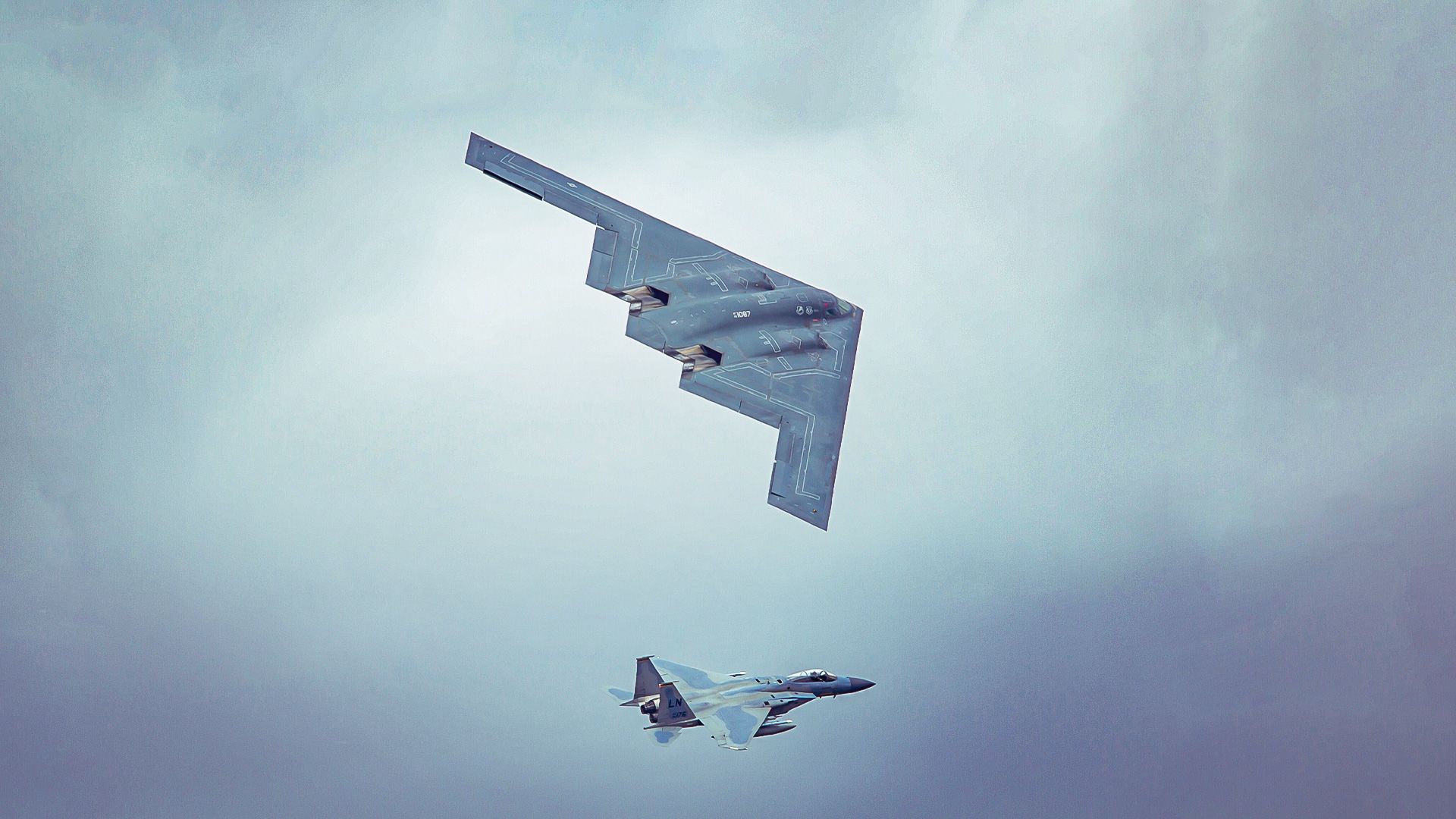
The future of the Northrop B-2 Spirit, the United States Air Force’s (USAF) premier stealth bomber, appears secure for the foreseeable future, as the aircraft undergoes significant mid-life upgrades. Current projections indicate that these bombers will remain operational until at least the 2030s or 2040s, with their retirement closely tied to the introduction of the new B-21 Raider.
Recent updates from the USAF suggest that the B-2 fleet will not be retired until after the B-1 Lancer bombers are phased out. The B-1s are set to be the first to leave service as the B-21 Raider enters full operational status. While initial plans indicated that B-2s could retire as early as the late 2020s, ongoing upgrades and the limited number of B-2 aircraft have prompted a reassessment of their retirement timeline.
The B-21 Raider and Future of Bomber Fleet
The USAF is preparing for the arrival of the B-21 Raider, with its second prototype expected to fly in 2025. The B-21 is anticipated to enter service by 2027, adding to the USAF’s diverse fleet of bombers, which currently includes the B-52 Superfortress, the B-1 Lancer, and the B-2 Spirit. The B-52, built during the 1950s and 1960s, is expected to remain operational until the 2050s or beyond.
While the B-2 Spirit is the most advanced bomber currently in service, there are concerns regarding its limited fleet size and high operating costs. Originally, the USAF planned to acquire 132 B-2 aircraft but ultimately procured only 21 due to financial constraints and the end of the Cold War. This leaves the Air Force in a precarious position, as every loss of a B-2 is significant, and replacements are not available.
The B-1 Lancer has already begun its phased retirement, with 17 B-1B aircraft scheduled to be retired by 2028, according to a 2021 USAF report. The current fleet of 62 B-1s has been reduced to 45 operational aircraft, with some having suffered significant wear and tear after two decades of service. Each B-1 airframe requires substantial maintenance investment, with costs ranging from $10 million to $30 million per aircraft to remain flightworthy.
Ongoing Upgrades and Implications for the B-2 Spirit
The B-2 Spirit is currently receiving a $7 billion upgrade package from Northrop Grumman, aimed at sustaining its operational capabilities well into the 2040s. This contract, which covers enhancements and maintenance, suggests that the B-2’s retirement may be pushed back significantly from earlier estimates. The USAF’s fiscal year 2025 budget documents do not indicate any planned retirements for the B-2 by 2029, further reinforcing the idea that these bombers will remain in service longer than previously thought.
A notable incident affecting the B-2 fleet occurred in 2022 when the “Spirit of Hawaii” was damaged beyond economic repair during a ground accident, reducing the active fleet to 19 aircraft. The loss is significant given the already limited number of B-2s available for operations.
While the B-21 Raider will eventually replace the B-1 Lancer and B-2 Spirit, the exact timeline remains uncertain. The B-21 is expected to have a lower payload capacity compared to the B-2, with estimates suggesting it can carry around 30,000 pounds of munitions. However, the B-2’s capacity allows it to deliver larger ordnance, such as two GBU-57 Massive Ordnance Penetrators, each weighing 30,000 pounds.
The USAF’s plans for the B-2 Spirit remain fluid, influenced by the pace of the B-21 Raider’s production and operational capabilities. Budget forecasts indicate that the production of the B-21 will ramp up in the coming years, potentially allowing the USAF to replace the B-1 and B-2 fleets by the late 2030s.
In conclusion, while the B-2 Spirit has faced challenges due to its limited numbers and expensive maintenance, the ongoing upgrades and the strategic importance of this aircraft suggest it will continue to play a vital role in the USAF’s operations for many years to come. As the air force navigates the transition to the next generation of bombers, the B-2’s legacy and capabilities will likely influence the future of military aviation.