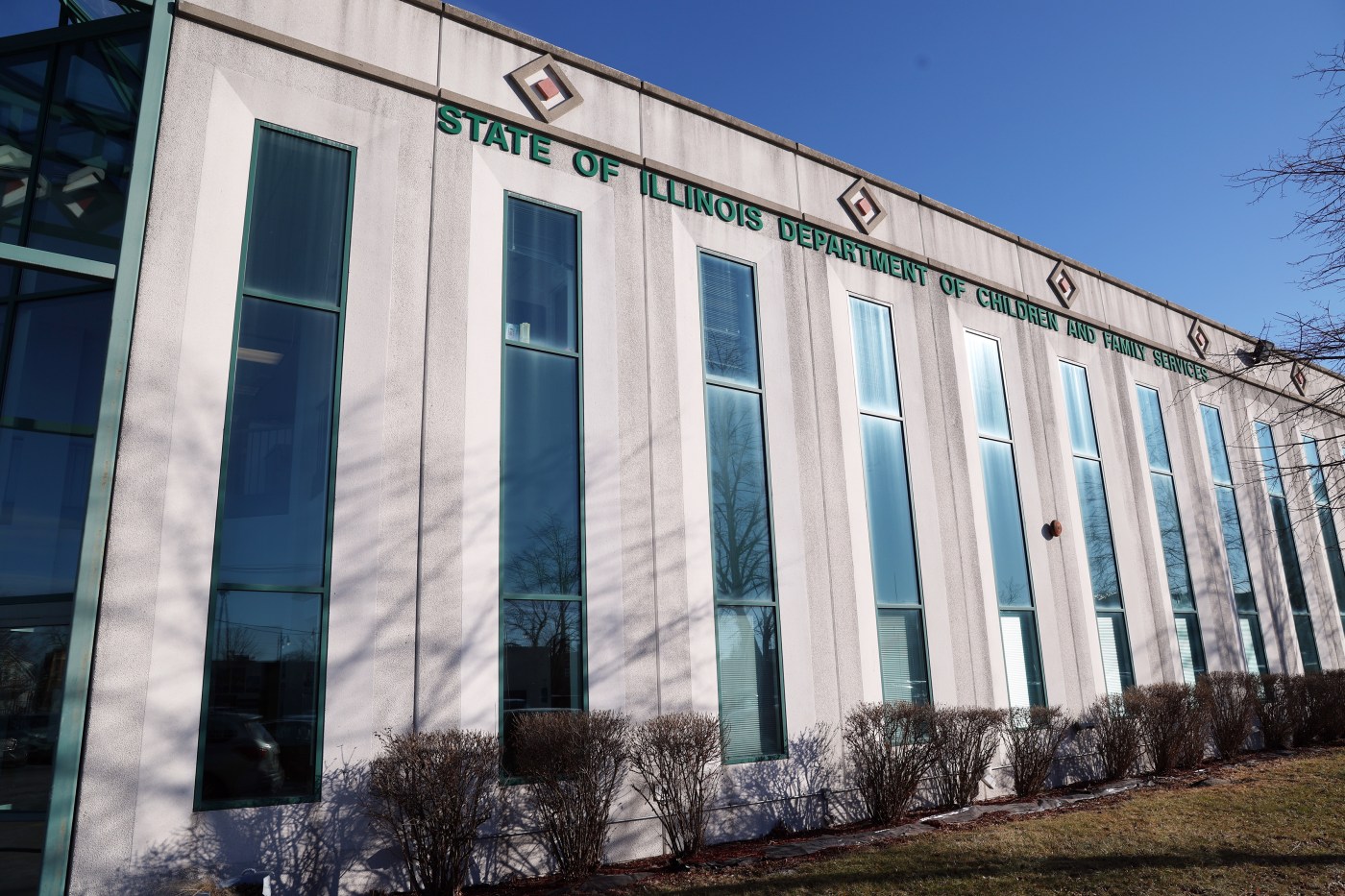
A new pilot program in Illinois is exploring how cash assistance can aid families involved with the child welfare system. The initiative, led by Brightpoint in collaboration with the Illinois Department of Children and Family Services, aims to address child safety and family stability through financial support. This pilot comes as a response to ongoing discussions regarding the impacts of poverty on child neglect and welfare.
The recent op-ed by professors Sarah A. Font and Emily Putnam-Hornstein criticized the pilot and suggested that cash assistance may not effectively improve child welfare. However, many advocates, including Brightpoint’s CEO Mike Shaver, argue that Illinois deserves recognition for investigating this crucial question. “If poverty contributes to child neglect, what happens when families receive unconditional cash support?” Shaver posed, emphasizing the pilot’s focus on testing this fundamental inquiry.
Understanding the Pilot Program
The pilot study involves 800 families, with half receiving an average of $500 per month for a year. All families are already enrolled in Intact Family Services, a voluntary program designed to stabilize families before crises escalate. The majority of reports to child welfare hotlines are linked to neglect rather than abuse, underscoring the need for innovative solutions.
Shaver noted that questioning established assumptions about child welfare has historically driven progress. “Testing whether time-limited cash assistance improves family stability alongside existing services is vital,” he stated. He emphasized that the ongoing examination of this link is necessary due to the unresolved nature of poverty’s impact on child welfare.
This initiative is supported by researchers from the University of Illinois Urbana-Champaign and the University of Connecticut, who are systematically evaluating the outcomes of the cash assistance program. Their work aims to provide evidence-based insights into the relationship between financial support and child welfare outcomes.
Broader Implications of Financial Support
The debate around cash assistance in child welfare is multifaceted. Critics argue that financial support does not address the root causes of child maltreatment, while proponents highlight the positive effects observed during the COVID-19 pandemic. According to a June 2021 article by CNBC, financial relief led to significant reductions in food and financial insufficiencies among families, paired with improvements in mental health.
Advocates argue that financial assistance can mitigate the effects of poverty, fostering hope and stability within families. “Money reduces the viral load of poverty,” one advocate stated, emphasizing that financial support enables families to better focus on their children’s needs and overall well-being.
As discussions around welfare reform continue, the Illinois pilot program stands as an example of how innovative approaches are being tested in real-time. This initiative not only seeks to support families in need but also aims to gather critical data that may inform future policy decisions in child welfare.
As the landscape of child welfare evolves, the importance of asking difficult questions and pursuing empirical evidence remains paramount. The data generated from this pilot could lead to more effective strategies for supporting families, ultimately improving child welfare outcomes across the state and beyond.