The Iranian protests have gained significant momentum, prompting Israeli officials to pay close attention to the unfolding situation. On March 3, 2024, Israeli Prime Minister Benjamin Netanyahu stated that Israel is “closely monitoring” the protests within Iran, which have sparked widespread unrest and calls for change among the Iranian populace. The protests, which began as a response to economic hardship and social issues, have escalated, drawing international scrutiny.
Netanyahu’s comments come in the wake of heightened tensions in the region, particularly with U.S. President Donald Trump issuing stern warnings about potential military action against Iran. The prospect of U.S. intervention has raised concerns that the unrest could spill over from Iran into broader regional conflict, potentially involving Israel and its neighbors.
The Israeli government is particularly attentive to the implications of these protests, as they could disrupt the already volatile dynamics in the Middle East. Netanyahu indicated that the situation is not only a matter of internal Iranian politics but also a potential flashpoint for international conflict. “The people of Israel, the entire world, are in awe of the courage displayed by the Iranian protesters,” he remarked, underscoring Israel’s support for the Iranian citizens’ calls for reform.
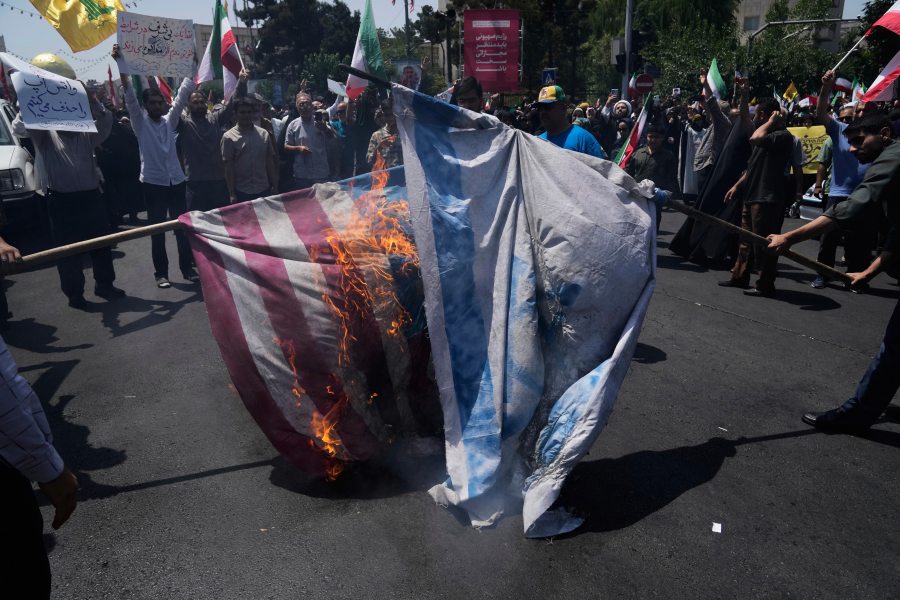
As demonstrations continue across Iran, with thousands participating in protests in major cities, the Israeli defense establishment is actively evaluating the potential threats and opportunities these developments may present. The protests have reportedly drawn participants from diverse backgrounds, united in their demand for greater freedoms and an end to government repression.
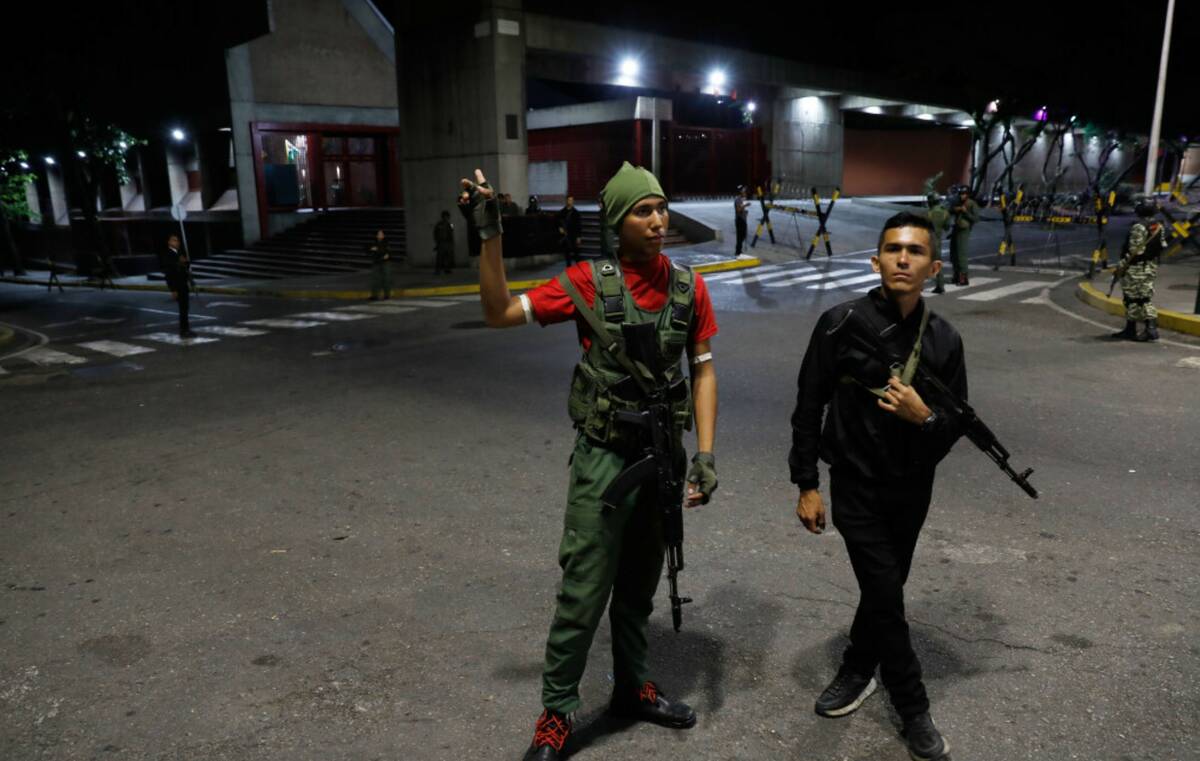
The Iranian government has responded to the protests with a heavy hand, employing security forces to quell dissent and restore order. Reports indicate that clashes between protesters and Iranian security personnel have resulted in numerous injuries and arrests, further inflaming tensions within the country.
Analysts suggest that the ongoing unrest in Iran could have significant ramifications for regional stability. Should the protests intensify or lead to a government crackdown, the possibility of retaliatory actions from external powers, including Israel and the United States, cannot be discounted. This scenario raises concerns about a potential military escalation, which could have dire consequences for the entire region.
Both Israel and the United States are closely monitoring the developments. The Israeli military remains on high alert, prepared to respond to any shifts that could affect national security. Netanyahu emphasized that Israel will continue to observe the situation and assess its implications for the Israeli public and regional allies.
In light of these events, the international community is watching closely. The protests in Iran represent not only a challenge for the Iranian government but also a pivotal moment that could reshape geopolitical alliances and tensions in the Middle East. As the situation evolves, it remains to be seen how both Iranian authorities and external actors will navigate this complex landscape.
In summary, the Iranian protests have sparked significant attention from Israel, with Prime Minister Netanyahu highlighting the importance of monitoring the situation closely. As tensions rise, the potential for regional conflict looms large, underscoring the interconnected nature of Middle Eastern politics and international relations.