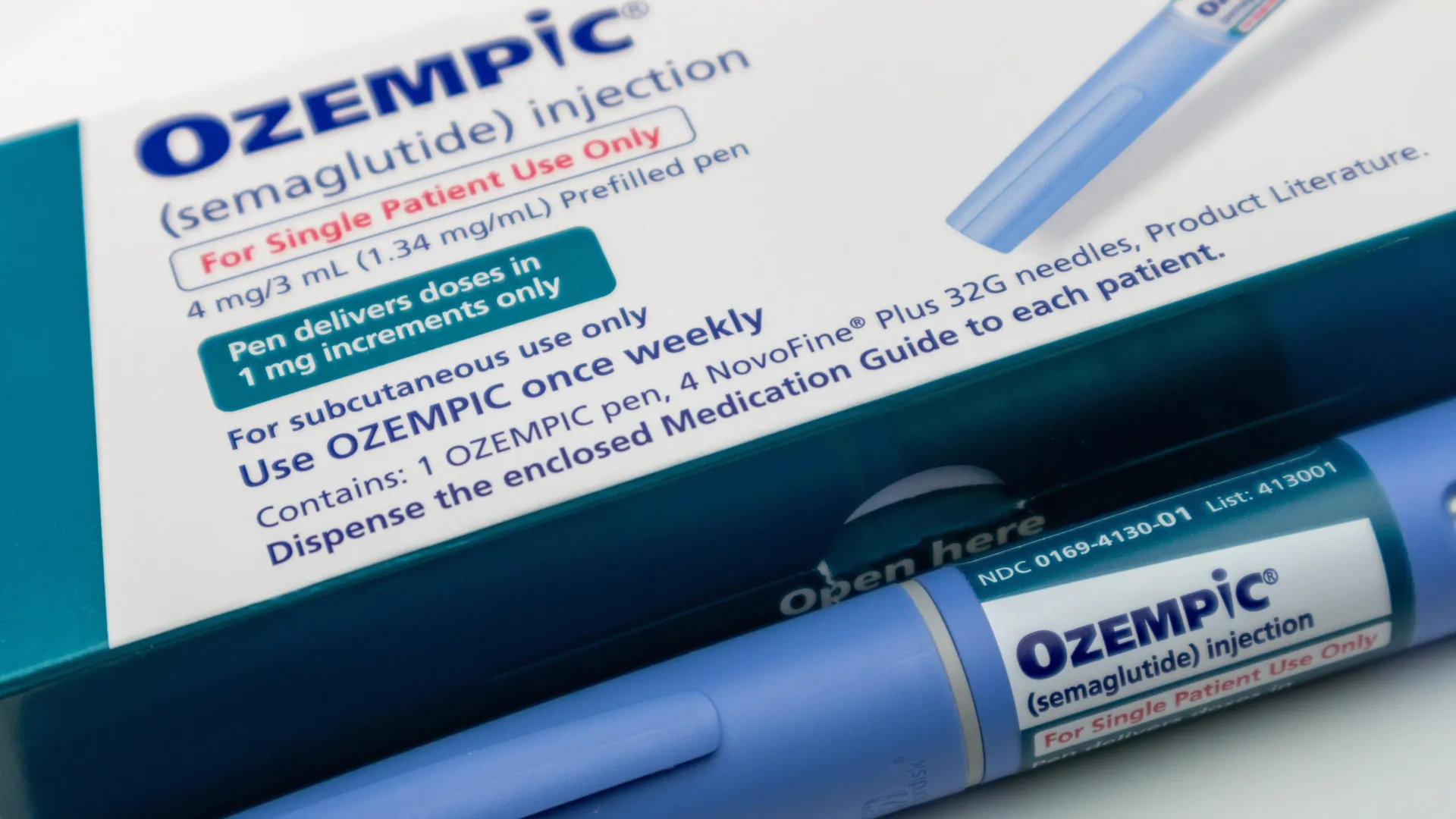
Recent research reveals that weight-loss medications such as Ozempic and Wegovy are significantly impacting American food budgets. A study conducted by Cornell University highlights that households using these appetite-suppressing drugs reduced their grocery spending by an average of over 5% within just six months. This trend extends to fast-food establishments, where spending also saw a considerable decline.
The study, published in the Journal of Marketing Research, analyzed survey responses alongside detailed purchase data from tens of thousands of U.S. households. The medications, originally developed as treatments for diabetes, are increasingly being prescribed for weight management. By correlating consumer reports with actual buying patterns, the research offers a clearer picture of the influence these medications have on food purchasing habits.
Grocery and Restaurant Spending Declines
Households that began using GLP-1 receptor agonists reported a noticeable decrease in food expenditures. Specifically, grocery spending fell by an average of 5.3%, while higher-income households experienced reductions exceeding 8%. Spending at fast-food venues and other limited-service restaurants dropped by approximately 8% as well. For those who maintained their medication regimen, these reduced spending patterns continued for at least a year.
According to Sylvia Hristakeva, an assistant professor of marketing at Cornell, “The data show clear changes in food spending following adoption. After discontinuation, the effects become smaller and harder to distinguish from pre-adoption spending patterns.”
Detailed Purchase Data Provides Insight
Unlike previous studies that relied on self-reported data, this research utilized actual transaction records from Numerator, a market research firm monitoring grocery and restaurant purchases from a nationally representative panel of around 150,000 households. The research team matched these records with repeated surveys asking participants about their use of GLP-1 drugs, including the timing and reasons for use. This methodology allowed for a more reliable comparison between households that adopted these medications and those that did not.
The results indicated that the decline in food spending was not uniform across all categories. Notably, spending on ultra-processed and high-calorie foods, often linked to cravings, saw the most significant reductions. Purchases of savory snacks dropped by around 10%, with similar declines observed in sweets, baked goods, and cookies. Basic food items, including bread, meat, and eggs, also experienced decreased sales. In contrast, a few categories such as yogurt and fresh fruit saw modest increases in spending.
Hristakeva noted, “The main pattern is a reduction in overall food purchases. Only a small number of categories show increases, and those increases are modest relative to the overall decline.”
Implications for Industry and Policy
The impact of these spending changes extends beyond grocery stores. The decline in expenditures at fast-food restaurants and coffee shops suggests that food manufacturers and retailers may need to adapt to shifting consumer demands. If the trend of GLP-1 medication use continues to grow, companies might reconsider their product formulas, packaging sizes, and marketing strategies, particularly for snack foods and fast food.
For policymakers and public health experts, the findings contribute to ongoing discussions about the role of medical treatments in influencing dietary habits. This research prompts a reevaluation of whether biological changes in appetite, driven by medications, can effectively guide dietary choices in ways that traditional interventions, such as food taxes and nutrition labeling, have struggled to achieve.
The research from Cornell University underscores the complex relationship between medication and consumer behavior, suggesting that weight-loss drugs are reshaping not only individual habits but also broader market dynamics.