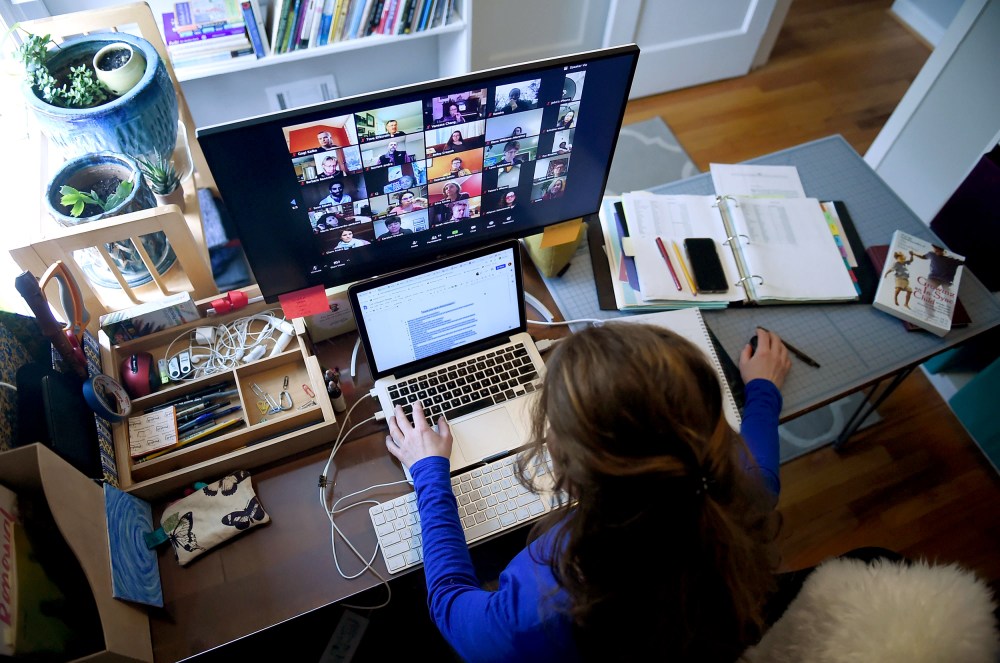
The COVID-19 pandemic has significantly impacted employment patterns, particularly for women. Many have faced layoffs, while others, especially mothers, have left their jobs to manage household responsibilities. As a result, those who remain in the workforce may feel the urge to maintain a low profile during these uncertain times. Yet, this period presents a unique opportunity for individuals to assert their presence and demonstrate their value in a remote work environment.
Embrace Authenticity in Your Work Life
Women often grapple with the balance between professionalism and authenticity, especially while working from home. The shift to remote work has blurred these lines, allowing individuals to showcase their personal lives in a way that promotes relatability. Video conferencing platforms enable coworkers to connect on a deeper level, where casual moments, such as pet appearances or children interrupting meetings, can foster genuine relationships.
Rather than adhering to outdated standards of professionalism, workers should embrace the blend of personal and professional lives. If sharing your home environment feels uncomfortable, consider using a virtual background that reflects your personality or discussing how the pandemic has influenced your daily life. This approach not only humanizes you but also resonates with colleagues who may share similar experiences.
Foster Collaboration and Connection
Remote work can often limit spontaneous interactions that generate innovative ideas. To counter this, creating opportunities for collaboration is essential. One way to do this is by organizing informal virtual meetings that allow team members from different departments to share ideas without a structured agenda. These gatherings can resemble a digital “open house,” promoting dialogue and creativity.
For those who prefer one-on-one interactions, reaching out for virtual coffee breaks or catch-up calls can deepen connections with colleagues across various levels. This practice can be particularly beneficial for new hires adjusting to an all-remote workplace, as it helps them build relationships and integrate into the company culture.
Effective onboarding is crucial, especially in virtual environments. Employers should actively create welcoming spaces for new team members to ease their transition and encourage community building.
Assert Your Voice and Set Boundaries
Despite the shift to remote meetings, entrenched gender dynamics persist, making it challenging for women to voice their opinions. Interruptions and the overshadowing of contributions remain common issues. Utilizing tools such as chat functions and hand-raising features during virtual meetings can help ensure that everyone has a chance to contribute. Additionally, following up with emails or engaging allies to redirect discussions can bolster your presence.
It is equally important to maintain professional boundaries. Taking on additional responsibilities without recognition might lead to burnout and diminish visibility. Instead, consider scheduling a meeting with your supervisor to discuss how expanding your role could benefit both you and the organization. By highlighting your skills and demonstrating a commitment to high-return tasks, you may find your employer more willing to invest in your professional growth.
In summary, while the challenges of remote work are evident, there are numerous strategies to enhance visibility and assertiveness in the workplace. By embracing authenticity, fostering collaboration, asserting one’s voice, and setting boundaries, workers can navigate this landscape more effectively. As noted by Kim Churches, the CEO of the American Association of University Women, these approaches not only support individual professional growth but also contribute to creating a more equitable work environment.