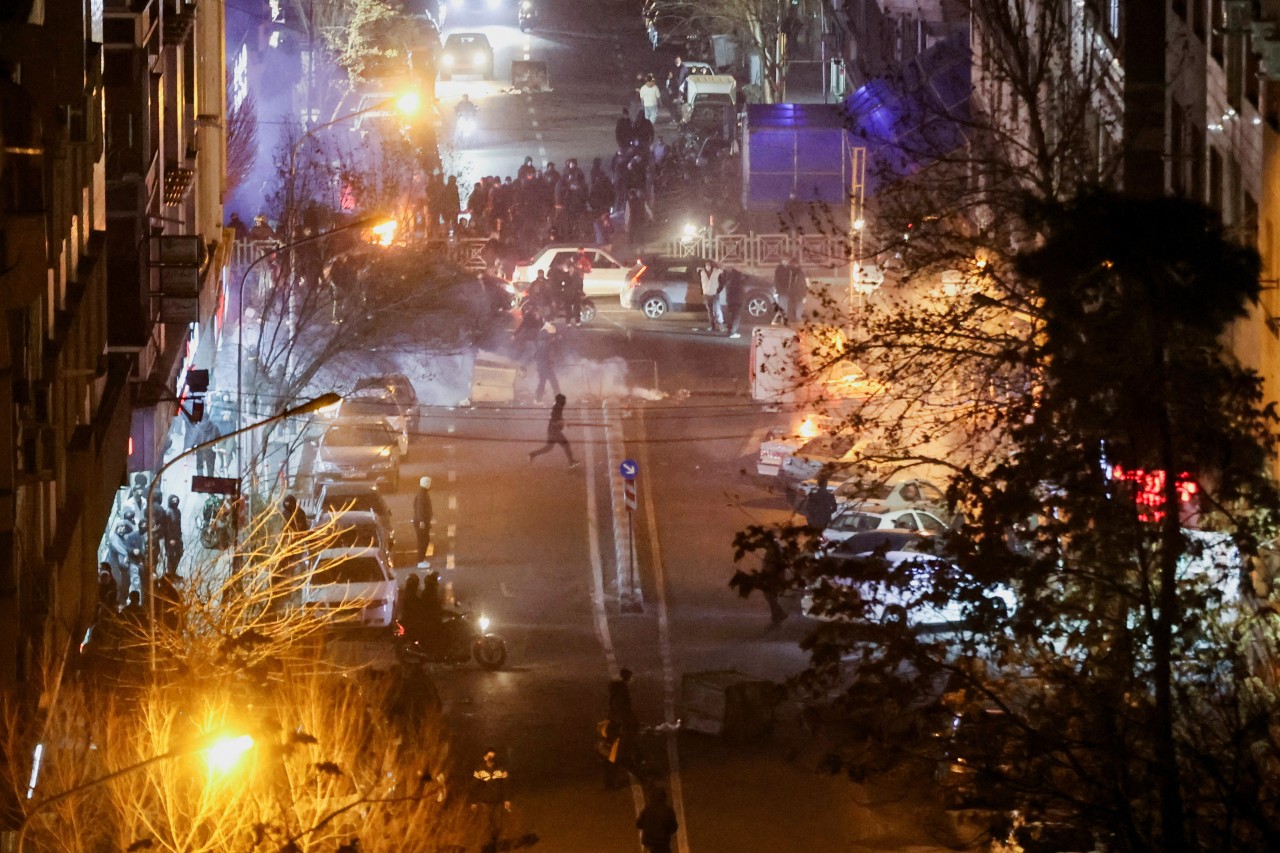
The recent crackdown in Iran has led to significant loss of life, with varying estimates indicating this episode is among the deadliest of its kind in decades. Since the protests began in response to the death of Mahsa Amini on September 16, 2022, reports suggest that at least 529 individuals have been killed. Human Rights Watch has documented these figures as part of a wider context of severe governmental repression.
As protests erupted across the country, the Iranian government responded with a brutal crackdown on demonstrators. Eyewitness reports and humanitarian organizations have characterized the government’s actions as systematic violence against civilians, raising international concern. The Islamic Republic has faced condemnation from various human rights groups and foreign governments for its handling of the situation.
According to the United Nations, the death toll could exceed 300 in some of the hardest-hit areas, particularly in cities like Zahedan and Mashhad. Local witnesses have recounted horrifying scenes of violence, indicating that the state has used lethal force against unarmed protesters. The ongoing unrest has sparked debates about the future of civil liberties in the country.
International Response and Implications
The international community has reacted strongly to the developments in Iran. Numerous countries have called for accountability and urged the Iranian government to cease its violent tactics. The United Nations has pushed for independent investigations into the reported killings. Meanwhile, organizations like Human Rights Watch continue to monitor the situation, documenting abuses and calling for action.
The implications of this crackdown extend beyond Iran’s borders. As the Iranian government faces increasing scrutiny, tensions in the region could escalate further. The unrest has reignited discussions about human rights in Iran, a topic that has long been contentious. The potential for foreign intervention or sanctions remains a point of contention among policymakers worldwide.
Despite the Iranian government’s attempts to control the narrative, social media has played a crucial role in disseminating information about the protests. Videos and testimonies shared online have provided a glimpse into the realities faced by many Iranians during this tumultuous period. Activists continue to advocate for the rights of those affected, emphasizing the need for solidarity from the global community.
As the situation evolves, it remains critical to monitor the death toll and the international response to Iran’s crackdown. The ongoing protests are a significant moment in the history of the country, highlighting the struggle for human rights and freedom in the face of oppressive governance. The world watches closely, awaiting further developments in this unfolding crisis.