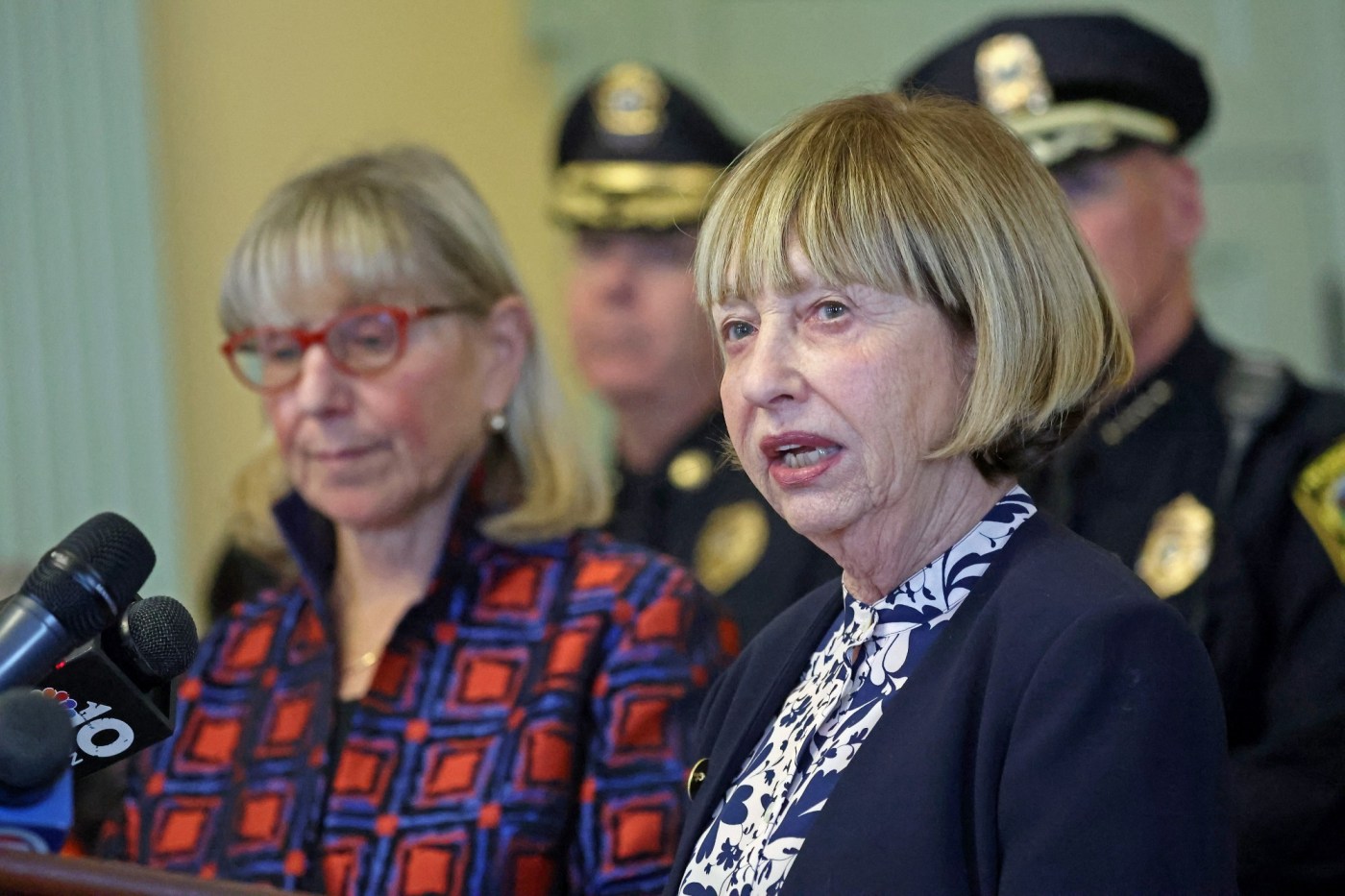
UPDATE: Massachusetts State Senator Cynthia Stone Creem has introduced a controversial bill aimed at reducing personal vehicle miles to meet the state’s ambitious climate goals. The legislation, titled “An Act Aligning the Commonwealth’s Transportation Plan with its Mandates and Goals for Reducing Emissions and Vehicle Miles Traveled,” is facing significant pushback as concerns grow over government intrusion into daily driving habits.
The bill, which has sparked a heated debate, would require the Massachusetts Department of Transportation (MassDOT) to set targets for reducing the total miles driven by residents. Critics argue that this could limit personal freedom and mobility. Stone Creem defends the initiative, stating, “It does not in any way limit people’s choices about how to get around. It does not impose fines, penalties, or taxes on drivers.”
However, the bill’s provisions suggest otherwise. It mandates MassDOT to develop strategies for cutting statewide driving miles, which will directly impact the planning and approval of regional transportation projects. “This bill would also prohibit MassDOT from approving plans that do not align with vehicle miles traveled reduction goals,” the legislation states. Proponents, including analysts from the Union of Concerned Scientists, argue this legislation is vital for bridging the gap between climate objectives and transportation planning.
In a recent hearing before the Joint Committee on Telecommunications, Utilities and Energy, supporters pointed out the pressing need to address emissions from personal vehicles—the largest source of pollution in the state. The bill is seen as a strategic step towards a comprehensive approach to transportation that includes investments in cleaner alternatives like trains and buses.
Nevertheless, not all lawmakers are on board. State Sen. Michael Barrett, a fellow Democrat, raised concerns about the bill’s potential impact on rural communities, which often require longer travel distances. “I do worry about an unintended and subtle bias against rural Massachusetts,” Barrett stated, emphasizing the need for equitable solutions.
The bill appears to overlook significant changes in commuting patterns brought about by the ongoing COVID-19 pandemic. According to TD Economics, Boston’s commercial vacancy rate reached 15.1% in the third quarter of 2025, a staggering 114% increase compared to pre-pandemic levels. A survey from the Greater Boston Chamber of Commerce found that 85% of local businesses now employ hybrid work models, indicating that driving miles have already been substantially reduced.
As this legislation moves forward, it’s crucial for stakeholders to consider these evolving work habits and the current state of public transportation in Massachusetts. The lack of accessible mass transit options in rural areas, combined with changing commuting trends, poses challenges that need to be addressed.
With heated discussions underway, the fate of the Freedom to Move Act remains uncertain. Advocates and opponents alike are closely monitoring developments as the bill progresses through the legislative process. As Massachusetts aims to align its transportation policies with climate initiatives, the implications of this bill could have lasting effects on residents’ daily lives.
Stay tuned for updates on this developing story.