Influenza cases have decreased slightly following a surge during the holiday season, but health officials in Berks County, Pennsylvania, warn that the risk of infection remains significant. According to the Pennsylvania Department of Health, flu cases began to rise around Thanksgiving, peaking in early January with over 14,500 reported cases statewide for the week ending January 6. The most recent data indicates a drop to just under 10,500 cases for the week ending January 10.
Local experts are observing similar trends in Berks County but emphasize that the recent decline should not lead to complacency. “After the holidays, we definitely saw cases go up,” said Dr. Debra Powell, chief of the division of infectious disease at Reading Hospital. “The good news is we saw a peak last week, and the numbers have come back down.”
### Continued Vigilance Required
The situation remains precarious, as Dr. Powell noted that last week, 20 patients were hospitalized with the flu, a decrease from 40 the previous week. “It’s a normal spike, fairly typical,” she added, indicating that health professionals are not surprised by the fluctuations in case numbers.
Dr. Rutul Dalal, medical director for infectious diseases at Penn State Health St. Joseph Medical Center, corroborated Powell’s observations, stating that his hospital also reported an increase in respiratory viruses, including COVID-19 and RSV, which also surged during the holiday period. “The stretch from December 23 to the new year was particularly severe, with flu cases surpassing what we saw during the past two seasons,” he explained.
A contributing factor to the uptick is the current dominant strain, Influenza A, which was not included in this year’s vaccine formulation. “This strain emerged from Europe after the vaccine was developed,” Dr. Dalal explained, emphasizing the importance of adaptive vaccine strategies.
### Flu Season Not Over
Despite the recent decline in cases, both doctors caution that flu season is far from over. “We’re not out of the woods yet,” Dr. Powell warned, noting that flu season typically extends into March or April, providing ample opportunity for case numbers to rise again. Dr. Dalal echoed this sentiment, predicting another spike in the coming weeks.
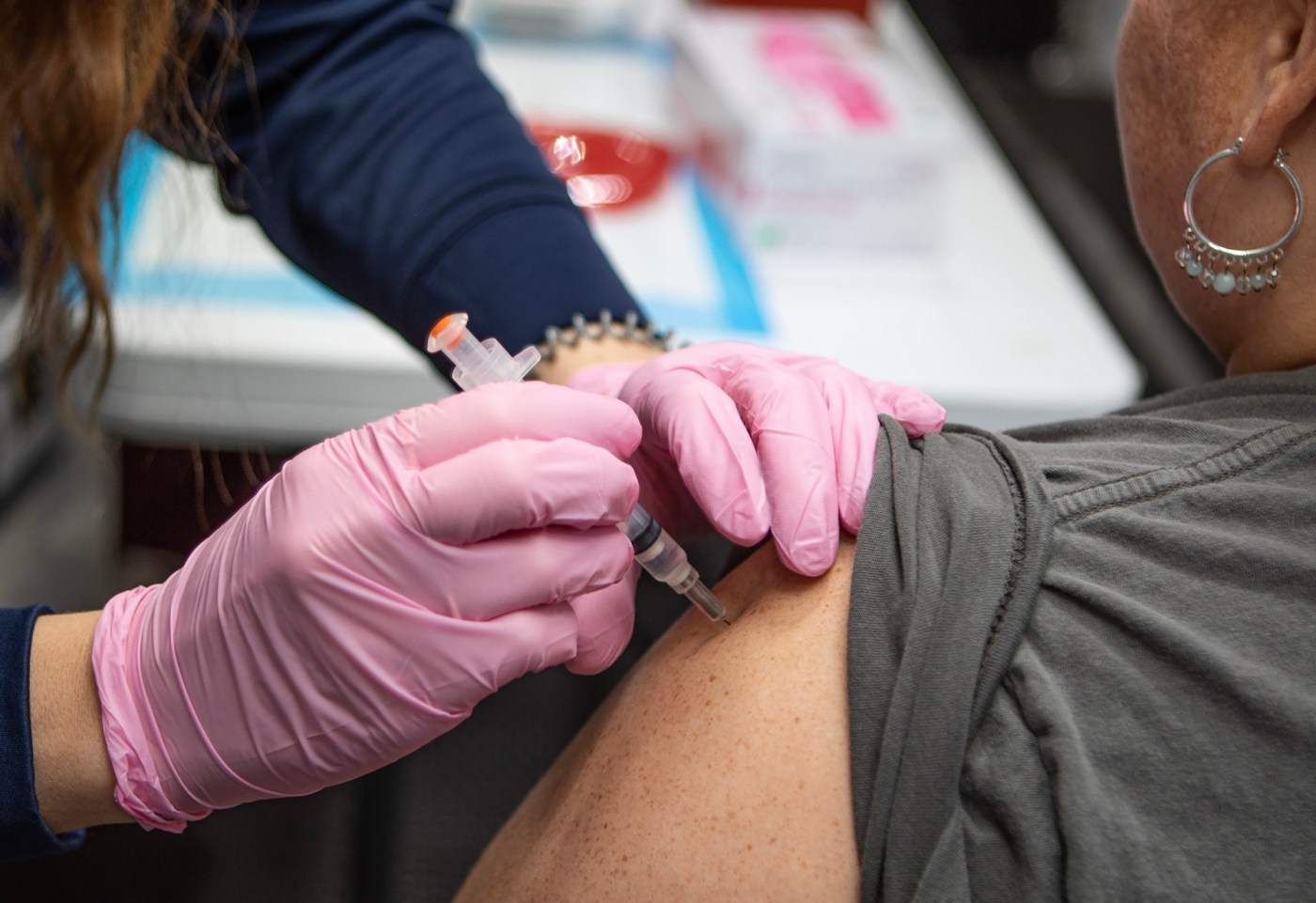
With the likelihood of increasing cases, health officials encourage continued vigilance. Those who have not yet received the flu vaccine still have time to do so, as it provides some protection against hospitalization, even if it does not perfectly match the predominant strain. Dr. Powell highlighted, “The flu shot isn’t a perfect match, but it does provide some protection against severe outcomes.”
Dr. Dalal added that the vaccine can also mitigate symptoms for other flu subtypes, reinforcing the recommendation for vaccination. “It takes about two weeks for the vaccine to take effect, so planning ahead is essential,” he advised, particularly for individuals at higher risk.
### Best Practices for Prevention
In addition to vaccination, both doctors stressed the importance of good hygiene practices. These include frequent handwashing, covering coughs and sneezes, and maintaining social distance when ill. “If you’re sick, stay home,” Dr. Powell advised.
To further combat the spread of infection, they suggested using sanitizing wipes on frequently touched surfaces like cellphones and doorknobs. Dr. Dalal also recommended stocking up on flu tests, which are readily available at grocery stores and pharmacies, allowing individuals to determine infection status without exposing others in public.
For ongoing updates and data about flu trends, residents can visit the Pennsylvania Department of Health website or the U.S. Centers for Disease Control and Prevention website.