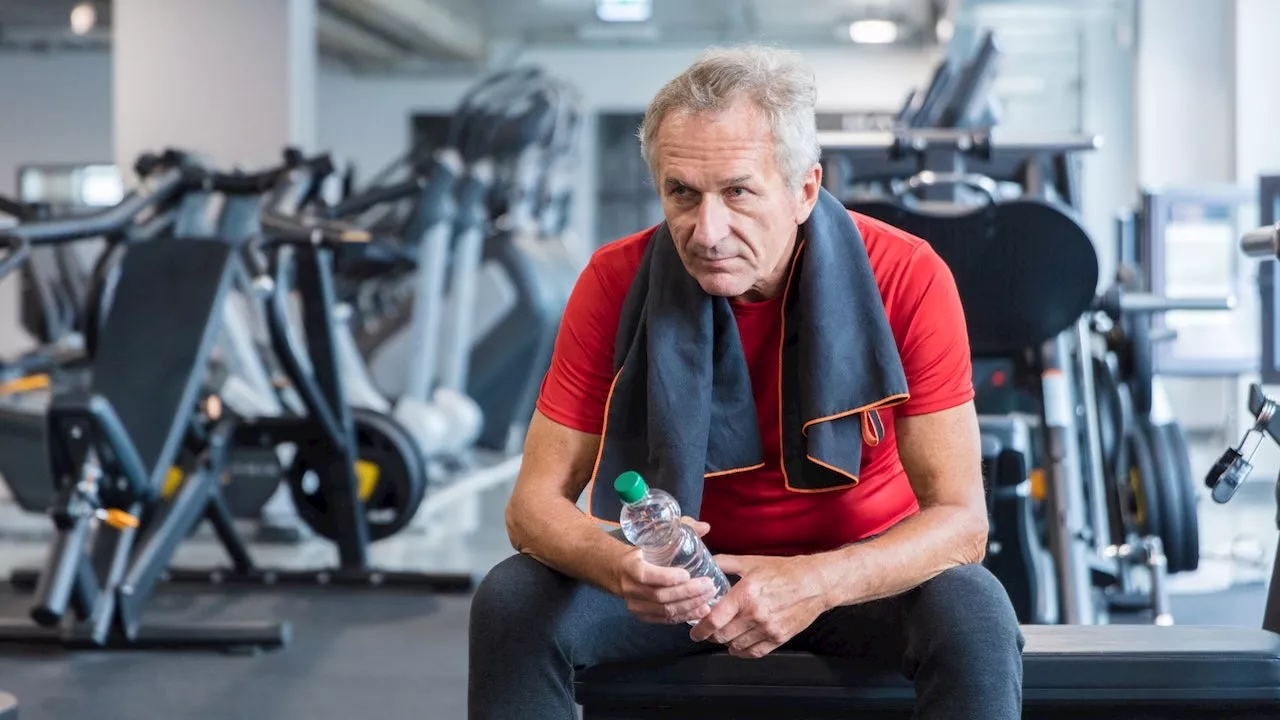
A comprehensive long-term study conducted in Sweden has revealed that declines in physical fitness and strength begin as early as age 35. The research, which tracked a cohort for nearly half a century, found that these declines continue steadily through midlife.
The study, based on the Swedish ‘Physical Activity and Fitness’ cohort, began in 1971 with participants born in 1958. Researchers from the Karolinska Institutet enrolled 427 individuals, both men and women, and conducted repeated assessments over a span of 47 years. The findings were published in the Journal of Cachexia, Sarcopenia and Muscle.
Study Details and Methodology
Using models to estimate age- and sex-specific changes, researchers conducted follow-up examinations at various points throughout adulthood. This approach allowed them to observe individual changes rather than relying solely on comparisons between different age groups. During each evaluation, participants underwent standardized physical testing carried out by trained professionals.
Aerobic fitness was measured through tests that assessed peak oxygen uptake, a widely recognized indicator of cardiovascular capacity. Muscle strength and endurance were evaluated through controlled performance tests, including grip strength and repetitive movement tasks. Additionally, height, weight, and other basic physical measures were recorded, alongside participants’ self-reported physical activity habits.
The study revealed that physical performance peaks in early adulthood, typically around the age of 30, before beginning a gradual decline. This decline was evident in multiple measures, including aerobic fitness and muscle strength, and continued steadily into later adulthood. While those who maintained active lifestyles generally exhibited higher fitness levels, the study noted that physical activity alone could not fully prevent age-related declines.
Implications and Future Research
Despite the challenges, the data indicated that individuals who increased their activity levels later in life experienced an improvement in physical capacity by approximately 5% to 10%. This emphasizes that the body retains its responsiveness to exercise even beyond the peak years of physical fitness.
While the findings provide valuable insights, researchers acknowledged limitations in the study. The cohort consisted of individuals born in the same year and residing in Sweden, which may restrict the applicability of the findings to other populations with diverse social, environmental, or genetic backgrounds. Additionally, some participants dropped out over the course of the study, potentially affecting the representativeness of the sample.
Physical performance was evaluated at specific intervals, meaning that short-term fluctuations between testing periods were not captured. Furthermore, while physical activity correlated with better outcomes, the observational nature of the study means that other factors such as diet, occupation, or health conditions may also have influenced the results.
The research team intends to continue following the cohort as the participants age, with the aim of linking changes in physical capacity to health outcomes later in life. This ongoing investigation promises to yield further understanding of the relationship between physical fitness and overall health, particularly as the population ages.
Overall, the study highlights the importance of maintaining an active lifestyle and understanding that physical decline can begin earlier than many may expect.