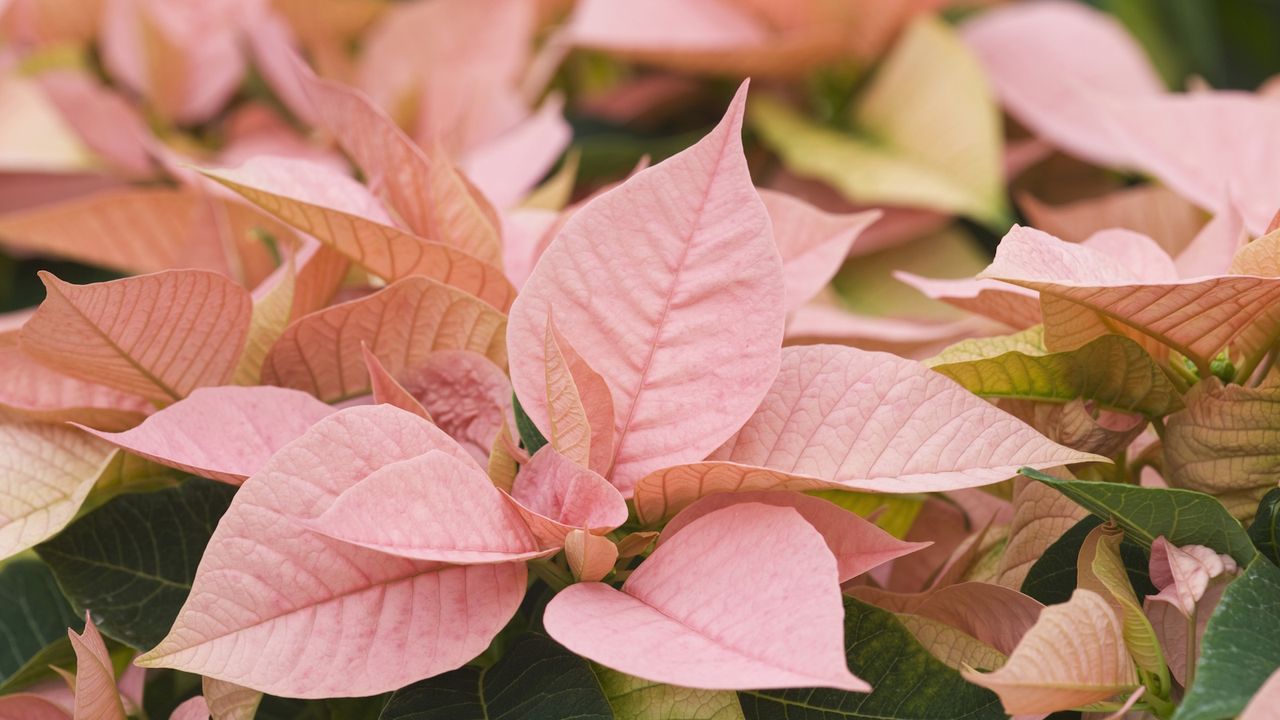
As the festive season wraps up, many find themselves with a lone poinsettia, or Euphorbia pulcherrima, sitting on their sideboard. Instead of discarding this holiday plant, January offers an ideal opportunity to rejuvenate it for fresh growth and even new flowers. Whether your poinsettia is still thriving or showing signs of decline, experts suggest several creative ways to give it a second life beyond the holiday season.
Transforming Stems into Lasting Cut Flowers
If your poinsettia appears leggy or has begun to droop, consider repurposing its stems as elegant cut flowers. Surprisingly, poinsettias can serve as long-lasting floral arrangements, remaining vibrant for up to two weeks when properly cared for.
To prepare the stems for cutting, it is crucial to tackle the milky sap that can inhibit water uptake. First, trim the stems just below the bracts, then dip the ends into boiling water for approximately 20–30 seconds. This process effectively clears the sap, allowing the stems to absorb water more efficiently. After this, plunge the ends into cold water to seal them before arranging them in a stylish bud vase. Vintage-style bud vases, which can be found on platforms like Amazon, provide an ideal setting for this transformation.
Transitioning to a Patio Plant
Poinsettias can thrive outdoors during warmer months, turning them into attractive patio plants come late spring. Experts recommend waiting until late May or June, when nighttime temperatures consistently exceed 55°F (approximately 13°C). James Faust, a poinsettia expert at Clemson University, emphasizes the importance of placing the plant in a partially shaded area with well-draining soil.
To ensure a smooth transition, it is essential to gradually acclimatize the plant to outdoor conditions, a process known as hardening off. Keeping the poinsettia in a container allows for easy relocation indoors as the weather cools in September. For optimal results, prune the plant back to about 4-6 inches in April to encourage bushy new growth before moving it outside.
Creating Winter Potpourri
If your poinsettia has lost a few leaves or you wish to refresh your decor, consider turning the colorful bracts into potpourri. Unlike many flowers, poinsettia leaves retain their striking colors remarkably well when dried, making them a beautiful addition to homemade potpourri.
To create this aromatic blend, air-dry the bracts on a paper towel for 5–7 days until they are paper-thin. Combine the dried leaves with dried orange slices for brightness, star anise for visual appeal, and eucalyptus leaves for a fresh scent. Avoid heavy oils; instead, add a few drops of cedarwood, white thyme, or lemongrass essential oils to enhance your home’s atmosphere for the new year. When handling cut poinsettias, it is advisable to wear gloves if you are sensitive to the milky sap.
Preserving Poinsettias in Resin Art
For those looking for a more permanent solution, incorporating poinsettia bracts into resin art offers a unique way to preserve their vibrant colors. This technique transforms the seasonal plant into lasting home decor items such as coasters, jewelry, or window hangings.
According to Vladan Nikolic, houseplant expert and founder of Mr. Houseplant, this method allows for the preservation of the plant’s colors well beyond the holiday season. Before casting, it is crucial to dry the leaves; Nikolic recommends removing the leaves and flower heads and flattening them between the pages of a heavy book for 7–10 days.
Once dried, the bracts can be arranged in silicone resin molds, available from various retailers, including Amazon. Pour a base layer of clear resin, arrange the dried leaves, and seal them according to the product instructions. This technique not only preserves the beauty of the poinsettia but also creates a sustainable tradition for future celebrations.
In conclusion, whether you choose to create a stunning cut flower arrangement or craft lasting art, your poinsettia has the potential for a vibrant second life. With the right care and creativity, this festive staple can continue to bring joy long after the holiday season has ended. If you decide to nurture your plant for next December, remember that patience is key; with proper pruning and care, those iconic red bracts may return to grace your home once more.