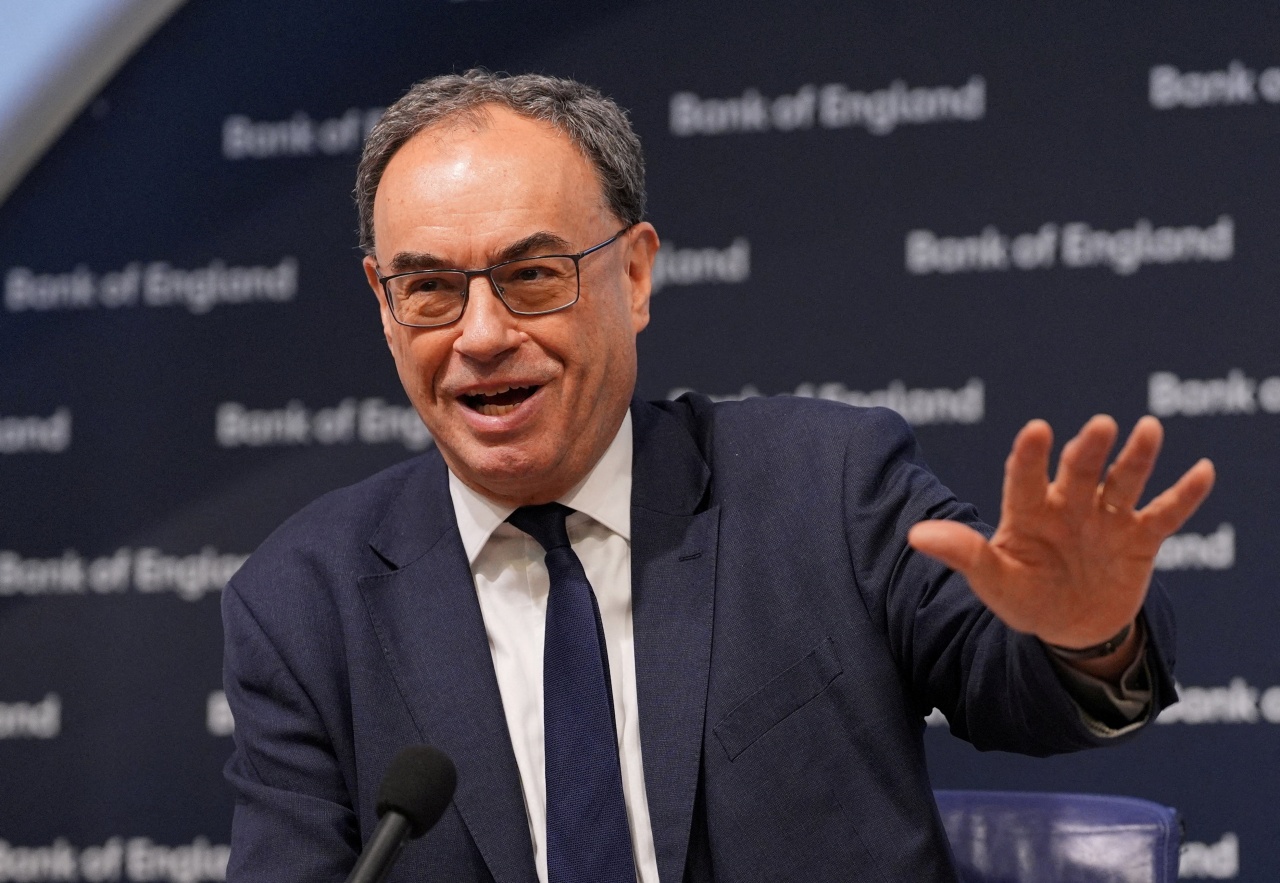
Tensions surrounding Greenland have not led to significant volatility in financial markets, according to Andrew Bailey, the Governor of the Bank of England (BOE). In a recent statement, he noted that the reactions from traders and investors have been surprisingly muted, despite the potential for geopolitical unrest to impact economic stability.
Bailey emphasized the importance of continued vigilance among policymakers. He stated that while the current market stability is encouraging, it is essential to monitor developments closely. “We must ensure that we are prepared for any shifts that could arise from the situation in Greenland,” he said during a press conference on October 10, 2023.
Market Stability Amid Global Uncertainty
The relative calm in financial markets stands in contrast to historical patterns where geopolitical events often trigger sharp reactions. Bailey pointed out that this resilience may reflect investor confidence in the broader economic framework currently in place. Nevertheless, he cautioned that complacency could be dangerous.
Market analysts have been observing the situation in Greenland, where tensions have escalated due to a combination of political and environmental factors. The region’s strategic importance, particularly regarding natural resources, adds another layer of complexity to the situation.
Despite these tensions, major indices have shown stability, with minimal fluctuations reported over the past week. This stability could indicate that investors are weighing the potential risks against the likelihood of significant disruption.
Future Considerations for Policymakers
Bailey’s comments highlight the ongoing challenges faced by central banks in navigating geopolitical uncertainties. Policymakers are tasked with balancing immediate economic conditions against the potential long-term implications of international tensions.
He reiterated the BOE’s commitment to maintaining economic stability while also preparing for any changes that may arise from the situation. “Our role is to ensure that we are ready to respond to any developments that could affect the financial landscape,” Bailey stated.
As the situation in Greenland evolves, market participants will be keeping a close watch on both the geopolitical landscape and the responses from central banks around the world. The coming weeks may reveal how these tensions influence economic conditions and market dynamics, underscoring the need for ongoing vigilance among policymakers and investors alike.
In conclusion, while the current market reaction to events in Greenland has been restrained, the potential for future volatility remains. As Andrew Bailey noted, it is crucial for authorities to stay alert and prepared for any shifts that may impact the global economy.