On March 14, 2024, the Boston Bruins will illuminate TD Garden with vibrant rainbow lights as part of their annual “Hockey Is for Everyone” night. This event, which has been held for nearly a decade, aims to foster positive social change and raise funds for the Boston Pride Hockey league. This year, the celebration gains added significance due to the success of the HBO drama, Heated Rivalry, which depicts a romantic relationship between two closeted professional hockey players. The show has captured widespread attention, transcending the LGBTQ+ community to become a cultural phenomenon.
The NHL has a long history, having been established in 1917, yet it has never seen an openly gay player, either active or retired. With the increasing popularity of Heated Rivalry, some hope that its impact may encourage LGBTQ+ hockey players to come out. Gary Bettman, the NHL commissioner, acknowledged the show’s influence, stating that it serves as a “unique driver for creating new fans.” He noted that he binge-watched all six episodes in one night, reflecting the show’s potential to attract a broader audience.
The buzz surrounding Heated Rivalry has sparked interest in hockey among individuals who previously had little engagement with the sport. Local events, such as look-alike contests and trivia nights themed around the show, have attracted large crowds. Merchandise featuring the fictional teams, the Boston Raiders and the Montreal Voyagers, has also gained popularity. One attendee, Ryan Leblanc, expressed his newfound enthusiasm: “I bought a Bruins ticket, and I’ve never been to a game in my life.”
Despite the excitement, experts caution that a television series alone may not lead to NHL players publicly coming out. Jim Buzinski, cofounder of the LGBTQ+ sports news website Outsports, emphasized that coming out is a deeply personal journey. He noted that many athletes choose to disclose their sexual orientation only after retirement, highlighting the unique pressures faced by professional players.
In hockey, where the culture can be perceived as hypermasculine, the fear of stigma may deter players from coming out. Edward Kian, a professor of sport management at Chowan University, believes that the show could help shift outdated attitudes within the sport. “If the show can get more hockey fans to accept that some of the 736 athletes on NHL active rosters must be gay, then that could lead to more gay hockey players feeling welcomed enough to come out publicly,” he said.
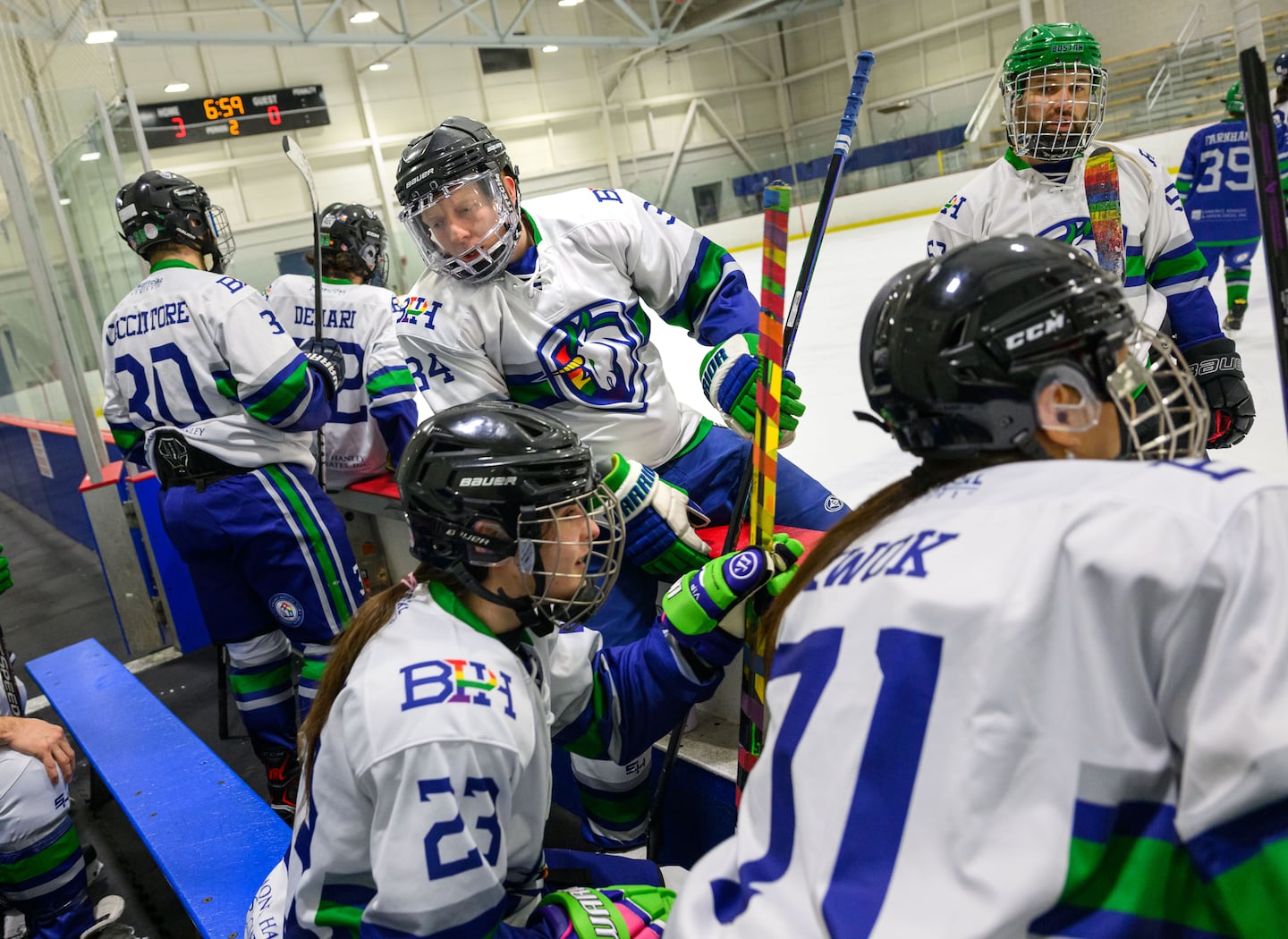
The challenges faced by LGBTQ+ athletes are reflected in personal stories from individuals like Kevin Corsino, a player with Boston Pride Hockey. After enduring years of homophobic banter, Corsino found a more inclusive environment within the league. “I was so enthralled the moment I walked into that locker room,” he recalled, describing the positive atmosphere.
Many players, including Jackie Farnham, have also shared experiences of stepping away from the sport due to pervasive homophobia. Farnham remarked on the intensity of slurs in high school hockey, stating, “It’s just so hypermasculine and aggressive.” However, he returned to the ice upon discovering Boston Pride Hockey, where he felt free to express his identity.
The NHL has made efforts to promote inclusivity, collaborating with organizations like You Can Play, which advocates for LGBTQ+ acceptance in sports. The league supports events such as “Hockey Is for Everyone” nights, which aim to promote inclusivity across various demographics. Nonetheless, challenges persist. In 2023, a controversial decision prohibited teams from wearing special jerseys for causes like Pride, although this ban was later lifted following player backlash.
As Heated Rivalry continues to resonate with audiences beyond the LGBTQ+ community, its impact may lead to a more accepting environment in hockey. Cheryl Cooky, a professor of American Studies and Women’s, Gender, and Sexuality Studies at Purdue University, highlighted the potential for cultural shifts. “It’s also straight audiences that are appreciating this type of storytelling,” she noted, suggesting that the narrative could encourage players to feel safer in expressing themselves.
Even if the series does not directly result in NHL players coming out, it has provided the LGBTQ+ community with a compelling portrayal of love and acceptance. “The show has given us a fairy tale romance,” Buzinski remarked, noting that the representation is long overdue. As hockey embraces this cultural moment, the hope remains that more players will feel empowered to share their truths on and off the ice.