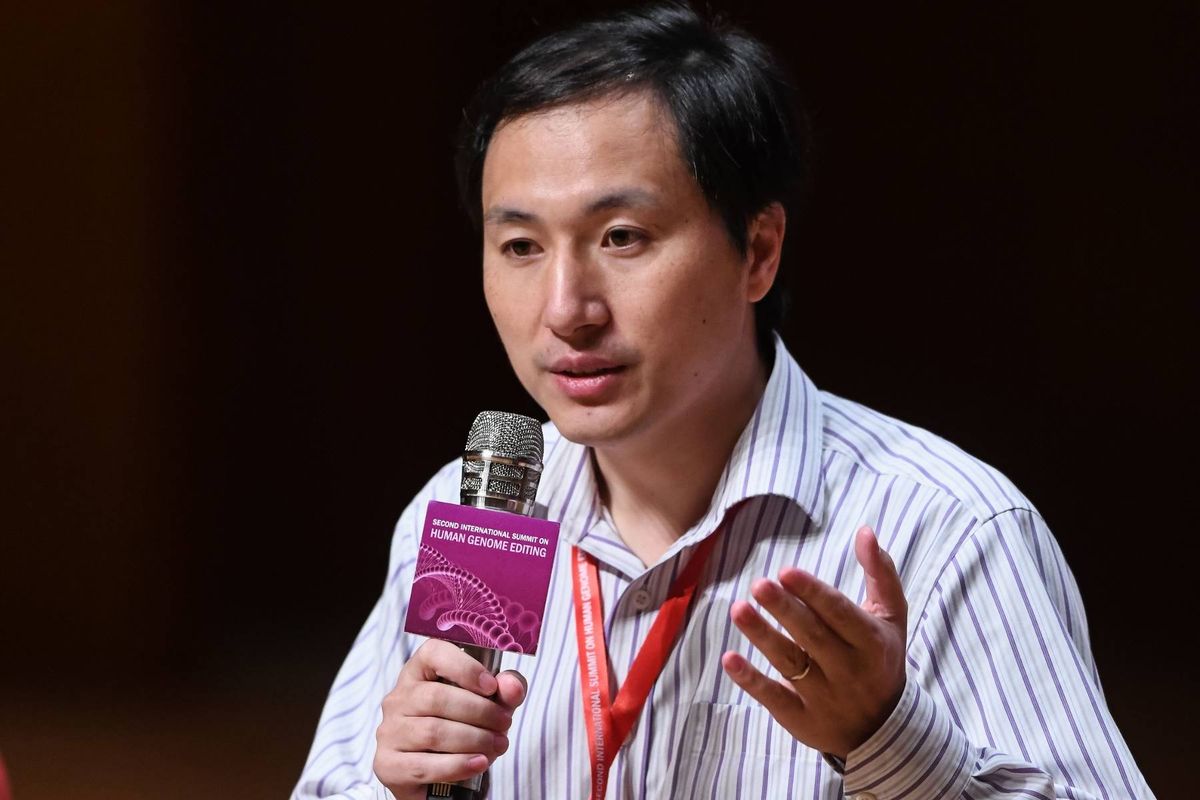
He Jiankui, the biophysicist known for creating the world’s first gene-edited babies, has been released from prison and is now poised to resume his controversial gene-editing research. Jiankui was incarcerated in 2018 for editing the genomes of three embryos in an effort to provide them with resistance to HIV. His actions sparked a global outcry over ethical concerns, leading to a three-year prison sentence for illegal medical practices.
Following his release, Jiankui has expressed intentions to explore gene editing as a means to prevent Alzheimer’s disease. While this aim may seem commendable, the type of germline editing he proposes is banned in many countries, including China. His previous work is a stark reminder of the ethical and safety issues that surround such interventions.
In a bid to fund his new research, Jiankui is investigating a genetic mutation present in Icelandic individuals who are known to be free from Alzheimer’s and have longer lifespans. He has stated his intention to initially conduct experiments on animals, as reported by the Daily Star.
Controversial Past and Future Plans
Jiankui gained notoriety for his previous experiments, which involved modifying embryos that were later brought to term. His announcement of these gene-edited births at a scientific conference, prior to peer review, led to widespread condemnation from the scientific community. Critics raised serious questions regarding the consent of the parents and the potential long-term consequences for the edited individuals.
While Jiankui’s new project seeks to explore advancements in gene editing technology, it raises significant ethical concerns. Although somatic therapies—those that do not involve editing eggs, sperm, or embryos—are gaining approval for treating various serious diseases, the consensus in the biomedicine field remains clear: germline editing, especially for reproductive purposes, is considered too risky and remains prohibited.
Jiankui’s aspirations to conduct human trials could face hurdles, particularly given the regulatory landscape. South Africa is one of the few countries that has legalized germline gene editing, which might provide a potential avenue for Jiankui’s future endeavors, according to NewsBytes.
As gene editing technology continues to evolve, the balance between innovation and ethics will remain a critical focus. Jiankui’s renewed efforts highlight the ongoing debate regarding the limits of scientific experimentation and the responsibilities of researchers toward society. His forthcoming actions will be closely monitored by the global community, as the implications of his work could have far-reaching consequences in the field of genetics.