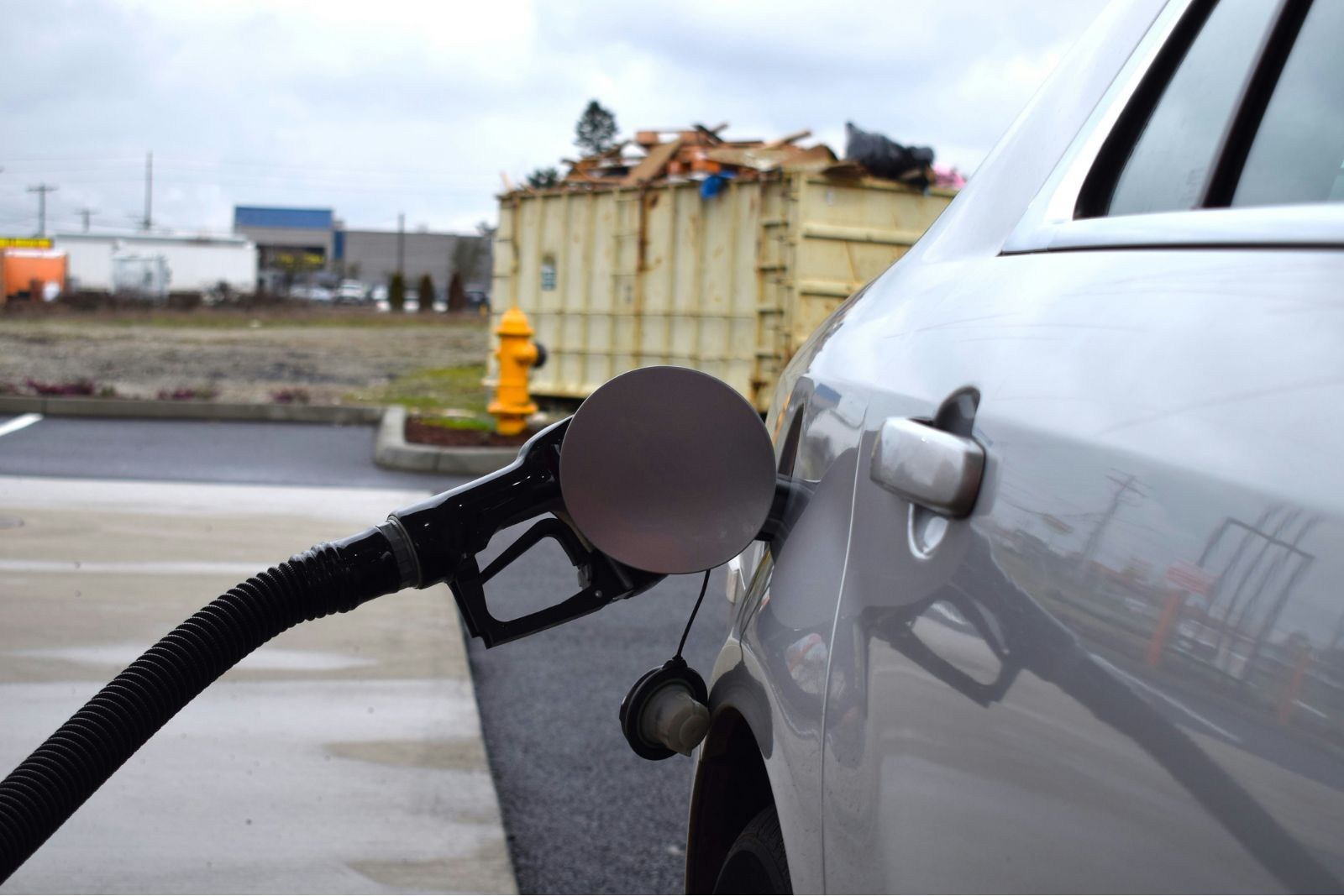
UPDATE: A new survey reveals that a significant number of New Jersey drivers are hesitant to pump their own gas, igniting a long-standing debate in the Garden State. The findings from SaveMaxAuto indicate that approximately one in three respondents lack confidence in self-fueling, raising concerns about safety and preparedness among younger drivers.
This developing story highlights an urgent issue for many Garden State residents, particularly those from the Gen Z demographic. The survey results show that 40% of young drivers do not know how to check their car’s oil levels, 56% can’t jump-start a battery, and 57% lack the skills to change a flat tire. Alarmingly, 39% are currently driving with worn or grinding brakes.
The reluctance to pump gas stems from various fears. Many New Jerseyans express concerns about getting gas on their hands, facing harsh weather conditions, or even fears of accidents. A respondent shared a personal story of feeling out of place when seeking help in a different state, emphasizing the psychological barrier many face when it comes to self-service tasks.
In a state where self-service gas stations are a rarity, the survey findings resonate with a broader societal trend. As driving skills diminish, it raises questions about the future of vehicle independence and safety on the roads. The anxiety surrounding basic car maintenance could lead to increased reliance on others for everyday tasks.
The sentiment is not just limited to the younger generation. Many drivers, regardless of age, share similar apprehensions. The SaveMaxAuto survey reveals that the fear of self-service gas is deeply rooted in New Jersey culture, where full-service stations have long been the norm.
As discussions around self-service gas heat up, authorities may need to consider the implications for safety and education. With a significant portion of the population unprepared for basic vehicle maintenance, the following steps could be crucial:
1. **Education Programs:** Initiatives to teach new drivers essential car maintenance skills could bridge the gap.
2. **Legislative Review:** Lawmakers may need to revisit the self-service gas legislation, weighing the pros and cons of changing the current system.
3. **Public Awareness Campaigns:** Raising awareness about the importance of basic driving skills could empower drivers and reduce anxiety.
As this story continues to develop, residents are encouraged to reflect on their own driving skills and consider how they can become more self-sufficient. With the future of self-service gas in question, it remains to be seen how New Jersey will adapt to these changing attitudes.
Stay tuned for more updates on this urgent issue affecting drivers across the Garden State.