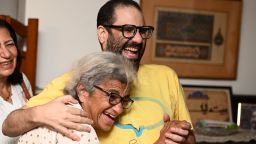
UPDATE: An Egyptian university student, Usama Ghanem, faces imminent deportation from the UK after participating in pro-Palestinian protests on campus. King’s College London has suspended his studies and revoked his visa sponsorship, with a deadline to leave the country by January 27, 2024.
Ghanem, a 22-year-old international relations student, claims that his involvement in protests against Israel’s military actions in Gaza has led to “non-academic misconduct” allegations from KCL. In a formal letter, university officials cited “regulatory breaches” and “operational obstruction” as reasons for their decision, which has left Ghanem facing a return to Egypt—a country he fled due to political persecution.
The UK Home Office confirmed the revocation of Ghanem’s visa, advising him to prepare for departure within 60 days, following the university’s notice that took effect on November 28. Ghanem has no lawful immigration status in another country, heightening fears of his potential imprisonment upon return to Egypt.
“I’ve seen what happens when people don’t challenge authority,” Ghanem stated, expressing his distress over the situation, which he describes as “incredibly disheartening and awful.”
Ghanem’s legal team asserts that he endured severe mistreatment by Egyptian authorities, including detention, abuse, and torture, due to his political beliefs. The university is reportedly aware of his history of trauma, including a diagnosis of post-traumatic stress disorder, yet has proceeded with disciplinary actions against him and multiple other students involved in similar protests.
The case has sparked outrage among students and faculty at KCL, with over 40 academics from the King’s Race Research Network publicly criticizing the university’s actions as “institutionally racist.” They warn that the decision to discipline Ghanem risks endangering his life.
Since the escalation of violence in Gaza on October 7, 2023, Ghanem and fellow students have organized numerous protests, demanding KCL divest from companies linked to military actions in the region. Ghanem’s activism has led to multiple disciplinary reviews, culminating in the suspension that could result in his deportation.
In a statement, KCL emphasized that students are not penalized for lawful affiliations, including pro-Palestinian support, and that decisions regarding visa statuses are made solely by the Home Office. However, critics argue that the university’s actions represent a broader crackdown on free speech, especially targeting Muslim students and those of color.
The backdrop of this case aligns with rising tensions surrounding political activism in academic institutions across the UK and the US, where there are increasing reports of students facing repercussions for their political expressions related to the Israeli-Palestinian conflict.
As the deadline approaches, Ghanem remains determined to fight against what he sees as a repressive regime, stating, “I left an authoritarian regime in Egypt to find one in King’s College London.” His case exemplifies the precarious position of international students who advocate for political change, raising urgent questions about freedom of speech and human rights in educational environments.
As this situation develops, Ghanem’s supporters continue to rally for justice, urging university officials to reconsider their decision. The outcome remains uncertain, but the implications for campus activism and international student rights are profound.
Stay tuned for updates as Ghanem’s case unfolds, and the university’s response to growing calls for accountability and support from the academic community.