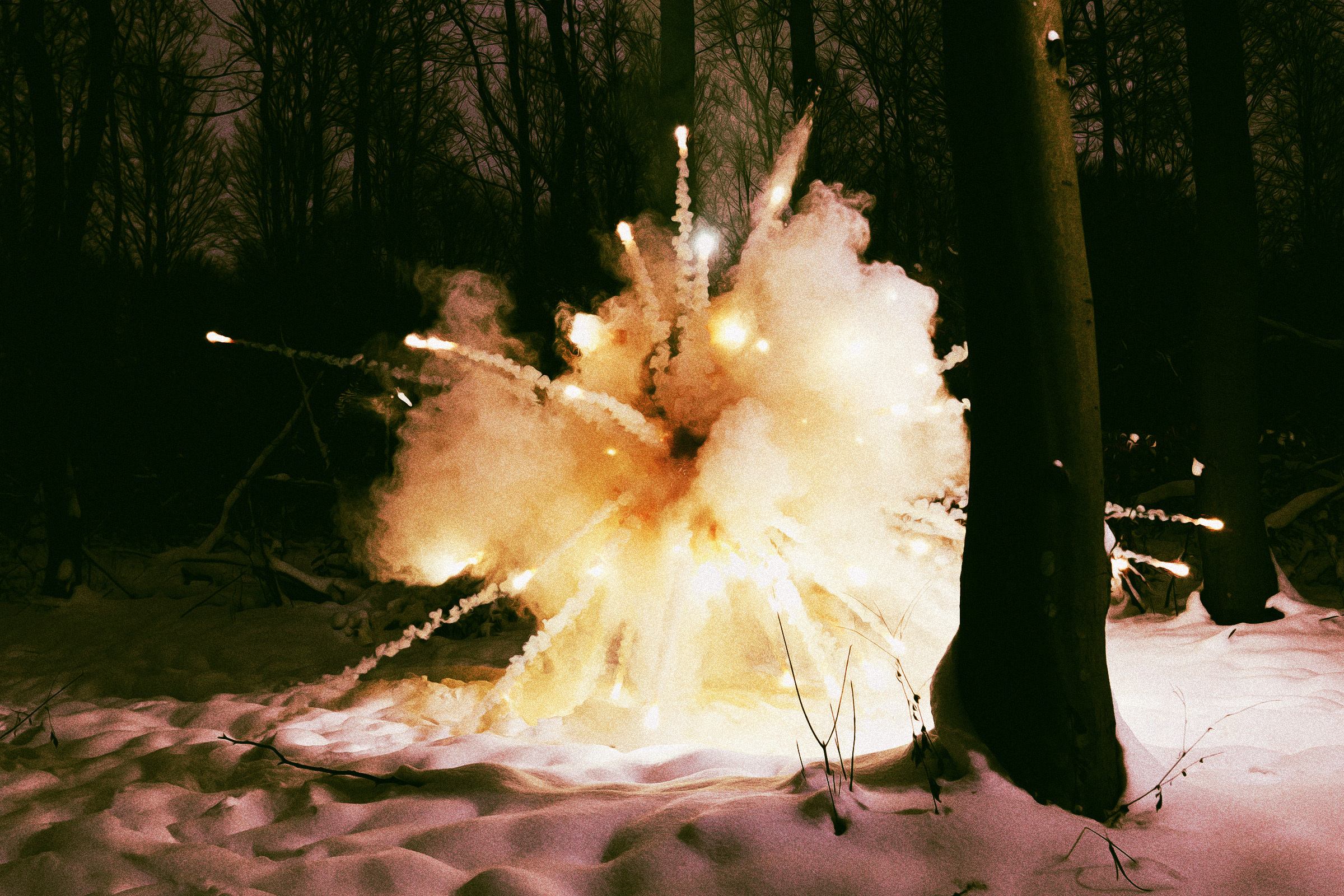
A significant winter storm is set to impact nearly every state in the US east of the Rocky Mountains, bringing severe cold, ice, and snow. As residents prepare for the harsh conditions, meteorologist Max Schuster, known as “Max Velocity” on social media, has raised awareness about an unusual risk: the potential for trees to experience structural damage in freezing temperatures.
In a post that garnered widespread attention on X, formerly known as Twitter, Schuster highlighted an area of “exploding tree risk” across regions including the Dakotas, Minnesota, Wisconsin, and northern Michigan. He warned that temperatures could plunge as low as 20 degrees Fahrenheit below zero on January 21 and 22, 2026, increasing the likelihood of frost-related damage in trees.
Understanding the Risk of Frost Cracking
While the concept of trees exploding may sound alarming, legitimate sources have emphasized the scientific basis for this phenomenon. As temperatures drop rapidly, moisture and sap within a tree can expand, leading to what is known as a “frost crack.” According to Bill McNee, a forest health specialist with the Wisconsin Department of Natural Resources, this process can create significant internal pressure, resulting in sudden cracks that may produce loud noises.
“It’s going to get cold enough that this sap may actually finally freeze. When it does that, like ice cubes in your freezer, they expand very quickly,” McNee explained to the Milwaukee Journal Sentinel. This rapid expansion can, in some cases, lead to branches breaking off or loud cracking sounds that resemble a gunshot.
While McNee acknowledges that these frost cracks can be severe enough to damage a tree’s exterior, he also emphasized the rarity of such events. “I’ve never seen the damage of it,” he noted. “It is rare for there just to be so much pressure that is suddenly released inside this tree that it almost does explode.”
Preparation for Severe Weather Conditions
As the winter storm approaches, residents in the affected areas are being urged to prepare for the extreme cold and potential hazards, including falling branches or trees. The National Weather Service has issued warnings for hazardous conditions, advising people to stay indoors where possible and to ensure that their heating systems are functioning properly.
The phenomenon of frost cracking may not be as sensational as the term “exploding trees” suggests, but it underscores the potential dangers posed by severe winter weather. As temperatures plummet, understanding the risks to both people and the environment becomes crucial.
While concerns about trees bursting may sound exaggerated, experts like McNee aim to provide clarity on the natural processes at play during extreme cold. He emphasizes the importance of proper awareness and preparation as communities brace for what could be a harsh winter ahead.