UPDATE: In a groundbreaking announcement, CATL, a leader in electric vehicle (EV) battery technology, is set to roll out its first sodium-ion batteries for passenger vehicles by Q2 2026. This significant step forward follows the successful launch of CATL’s Tectrans II sodium-ion batteries for light commercial vehicles, unveiled just yesterday.
During an interview with China Securities Journal, CATL’s Chief Technology Officer, Gao Huan, confirmed that these innovative batteries will first be installed in models from GAC Aion, marking a pivotal moment in the EV industry. The initial deployment will showcase how sodium-ion technology can enhance vehicle performance, particularly in extreme weather conditions.
The Tectrans II batteries, which have already undergone rigorous winter testing, demonstrated their ability to function efficiently at temperatures as low as -30°C (-20°F). Remarkably, even at -40°C (-40°F), they retained an impressive 90% of their usable capacity. This performance is crucial for consumers in colder climates who demand reliability from their EVs.
CATL is gearing up for mass production of these sodium-ion batteries starting in July 2026. As production ramps up, the company plans to expand their application beyond passenger vehicles to include commercial vehicles, construction machinery, and energy storage solutions. This transition signifies a potential reduction in costs, as sodium-ion batteries utilize less expensive materials compared to traditional lithium-ion options.
The immediate relevance of this development cannot be overstated. With rising energy prices and increasing demand for cost-effective EV solutions, CATL’s sodium-ion technology could reshape the battery market. Gao emphasized that this technology not only has the potential to lower production costs but also excels in cold-weather performance, eliminating the need for additional cooling mechanisms typically required by lithium-ion batteries.
While current sodium-ion batteries may have lower energy densities, CATL is committed to advancing their capabilities. The company aims to elevate sodium-ion technology to match the performance of lithium iron phosphate (LFP) batteries within the next three years. This ambitious goal reflects CATL’s dedication to innovation and its pivotal role in the transition to sustainable energy.
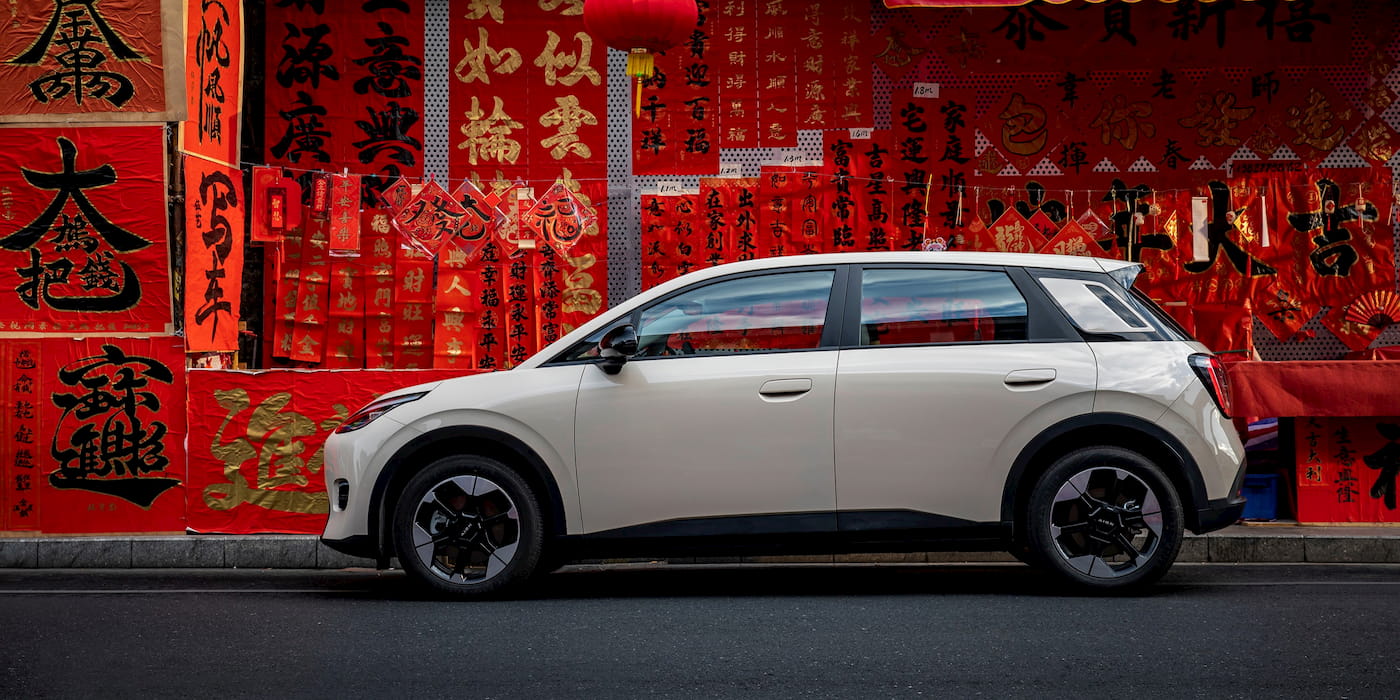
Additionally, CATL has been strengthening its partnership with GAC Group, which has already resulted in the launch of the Aion UT Super EV, the first mass-market EV featuring CATL’s quick-swap Choco-SEB batteries.
As this situation develops, industry experts and consumers alike will be closely monitoring CATL’s advancements in sodium-ion technology. The potential implications for both cost savings and enhanced vehicle reliability make this a critical moment for the EV market.
Stay tuned for further updates as CATL prepares to shift sodium-ion batteries from the lab to the road, driving the future of electric mobility.