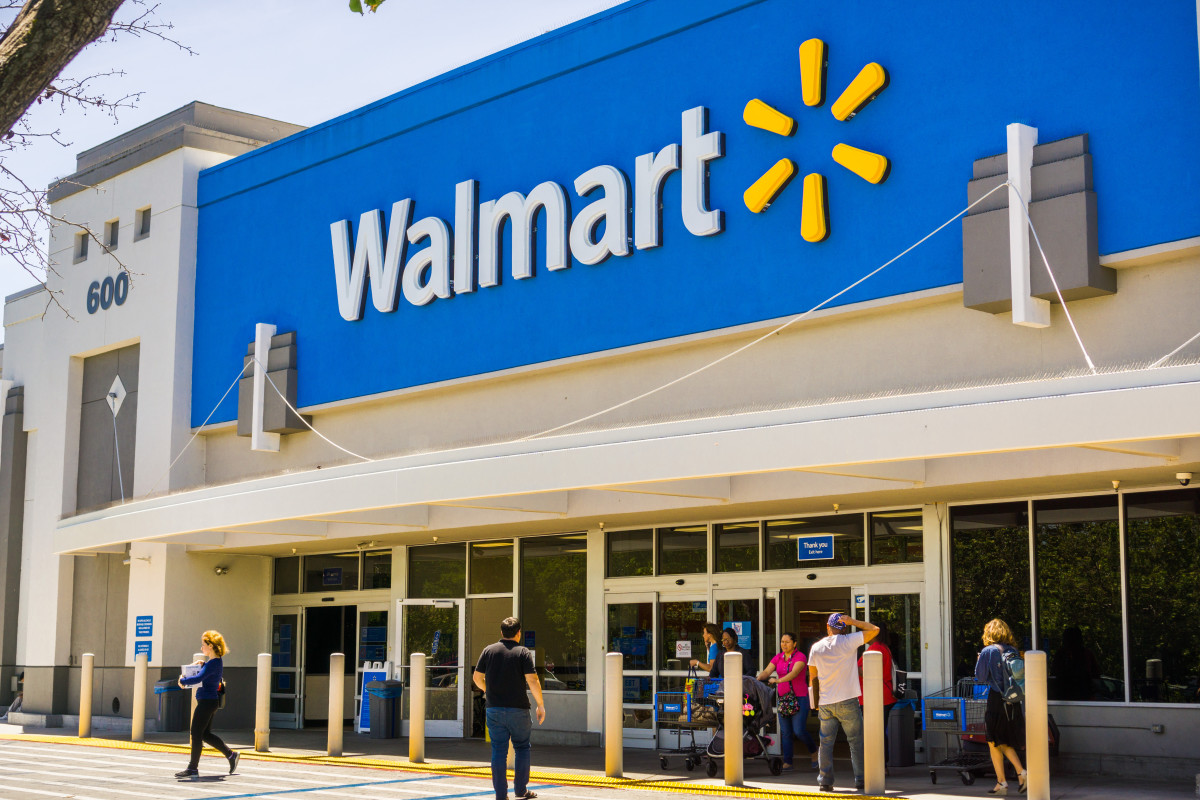
The grocery sector is witnessing a significant shift as Amazon intensifies its efforts to capture a larger share of the market, currently valued at $883 billion. This move poses a direct challenge to Walmart, which has long held the title of the grocery market leader with a commanding 21% market share, according to data from Numerator. As grocery shopping increasingly moves online, Amazon’s strategy to expand its offerings in fresh food categories puts it in a prime position to disrupt traditional grocery retail.
A recent report from IBISWorld highlights the ongoing transformation in grocery shopping. Over 70% of grocery retailers have integrated online ordering and fulfillment services, catering to consumer demand for convenience. The fresh and frozen meat market alone is valued at $114 billion, making it the largest segment within the grocery industry. Meanwhile, fruits and vegetables rank third, accounting for $106 billion in sales.
Amazon has been quietly ramping up its selection of grocery items, particularly fresh produce and meat, which are essential for attracting repeat customers. According to analysts at Morgan Stanley, this strategic shift could begin to yield significant results in Amazon’s quest for market share as early as this year.
A Growing Threat to Brick-and-Mortar Stores
The expanding online grocery market poses serious implications for physical supermarket chains. As Amazon enhances its distribution networks and same-day delivery services for Prime members, traditional grocery stores might feel increased pressure as consumers gravitate towards e-commerce for their grocery needs. This trend is likely to encourage shoppers to consolidate their purchases online, reducing the need for separate trips to physical stores.
Morgan Stanley analysts noted a substantial uptick in spending on fresh and perishable goods through Amazon, indicating a broader acceptance of online grocery shopping across various income brackets. They reported that spending on these categories has more than doubled, reflecting a strong consumer shift towards Amazon for grocery needs.
Implications for Walmart and the Future of Grocery Retail
The battle for grocery supremacy could intensify as Amazon’s growth in this sector accelerates. Morgan Stanley’s report suggests that if Amazon continues to capture market share, it may lead to an upward revision of sales and profit targets on Wall Street. The investment bank anticipates that the faster growth in grocery could result in higher stock price-to-earnings ratios, which would benefit Amazon’s stock valuation significantly.
Currently, shares of Amazon trade near $239, with an estimated upside potential of 32% to $315 per share, as the company positions itself for greater success in the grocery sector. In contrast, Walmart has experienced a decline in year-over-year sales growth in produce and meat since November, while Amazon has seen a marked increase in these categories.
As both companies vie for dominance in this lucrative market, the grocery landscape is poised for a significant transformation, with consumer preferences increasingly leaning towards the convenience and efficiency of online shopping. The outcome of this competition will not only shape the future of grocery retail but also redefine how consumers approach their food purchasing habits.