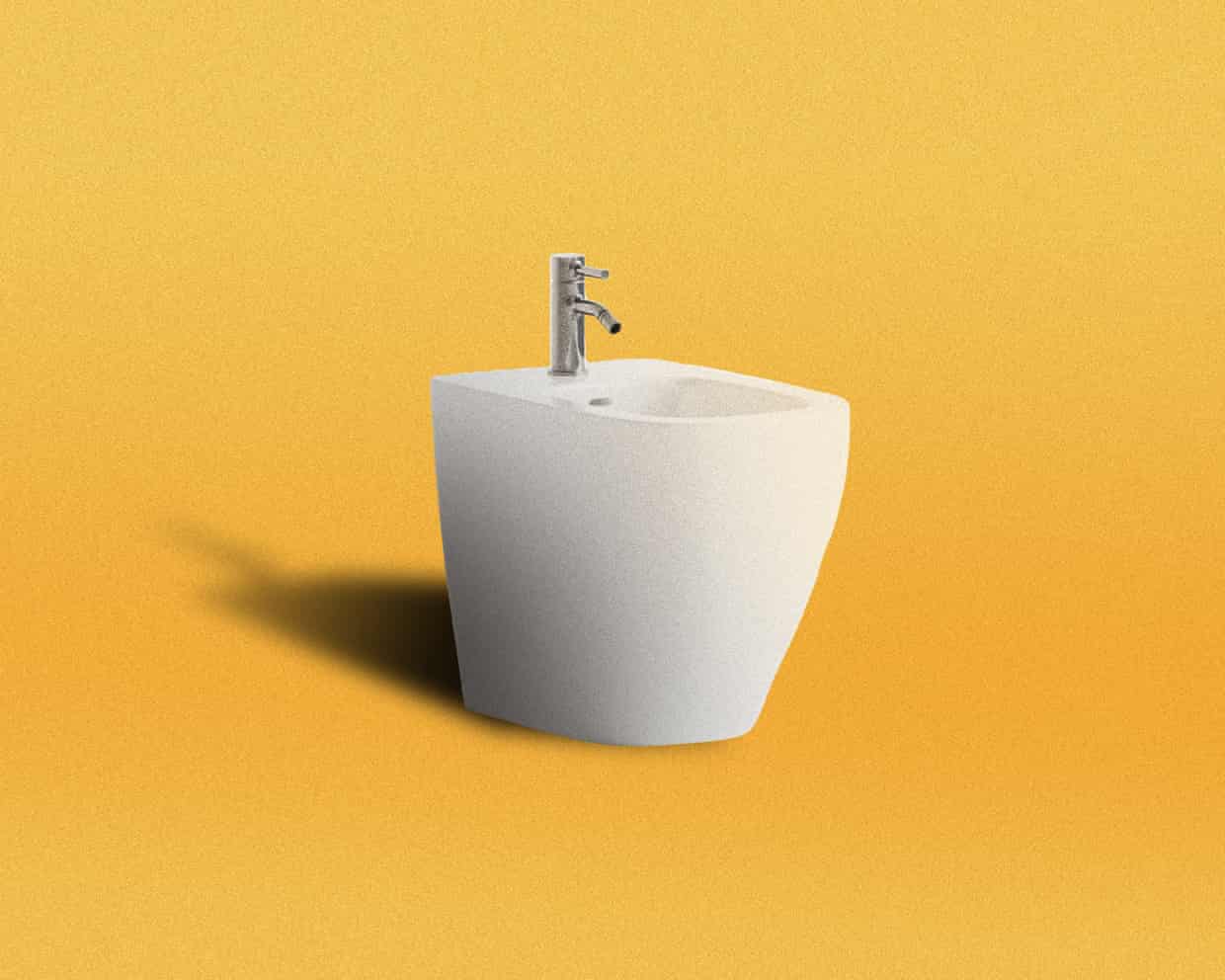
New York City Mayor Zohran Mamdani and his wife, Rama Duwaji, are set to make waves in bathroom hygiene by installing bidets at their official residence, Gracie Mansion. This decision highlights a broader cultural shift towards personal hygiene practices that are common in many parts of the world but still unfamiliar to many in the United States.
The bidet, often referred to as a “shattaf” in the Middle East or a “bum gun” in some circles, is more than just a fixture; it signifies a change in attitudes toward cleanliness. In Egypt, where both Mamdani and Duwaji have cultural ties, washing after using the toilet is a standard practice. Such habits are embedded in daily life, contrasting with the American norm where toilet hygiene often relies solely on toilet paper.
Breaking Down Cultural Barriers
The influence of Mamdani’s background as New York City’s first Muslim and South Asian mayor, along with Duwaji’s heritage as a Syrian-American artist, brings a fresh perspective to the city’s culture. Their plans to install bidets may make a significant impact on how hygiene is perceived and practiced in the city. The couple represents a new generation of leaders, with Mamdani being the youngest mayor since 1892 and Duwaji as the youngest first lady.
The mention of bidets in American culture has been relatively rare. Mona Eltahawy, a noted Egyptian-American writer and activist, recalls her introduction to the concept through the play “Threesome” in 2015. This play humorously highlighted the cultural divide regarding bathroom habits when a character is scolded for not washing after using the toilet. Eltahawy’s experiences resonate with many who have moved from cultures where washing is the norm to those where it is not.
During the COVID-19 pandemic, a significant toilet paper shortage prompted some to reconsider their hygiene practices. While bidet sales did see an uptick, the United States remains largely resistant to adopting this practice. This resistance could change as public figures like Mamdani and Duwaji advocate for bidets, positioning them as a trendy and essential addition to modern bathrooms.
A Call for Change
Mamdani’s and Duwaji’s decision to install bidets at Gracie Mansion could help normalize this practice in American homes. Eltahawy passionately encourages readers to embrace the bidet culture, urging them to install one in their homes. “You’ll thank me later,” she asserts, suggesting that this simple change can lead to improved hygiene and comfort.
As cultural perceptions shift, there may be a growing acceptance of bidets in the United States. The influence of Mamdani and Duwaji, alongside the increasing awareness of global hygiene practices, may pave the way for a future where washing after using the toilet is no longer seen as unusual but rather as a standard practice embraced by all.
In conclusion, the movement to install bidets in Gracie Mansion is more than just a personal choice; it symbolizes a potential shift in bathroom culture across New York City and beyond. As leaders like Mamdani champion this cause, it could lead to broader discussions about hygiene practices in the United States, ultimately changing perceptions and norms surrounding personal care.