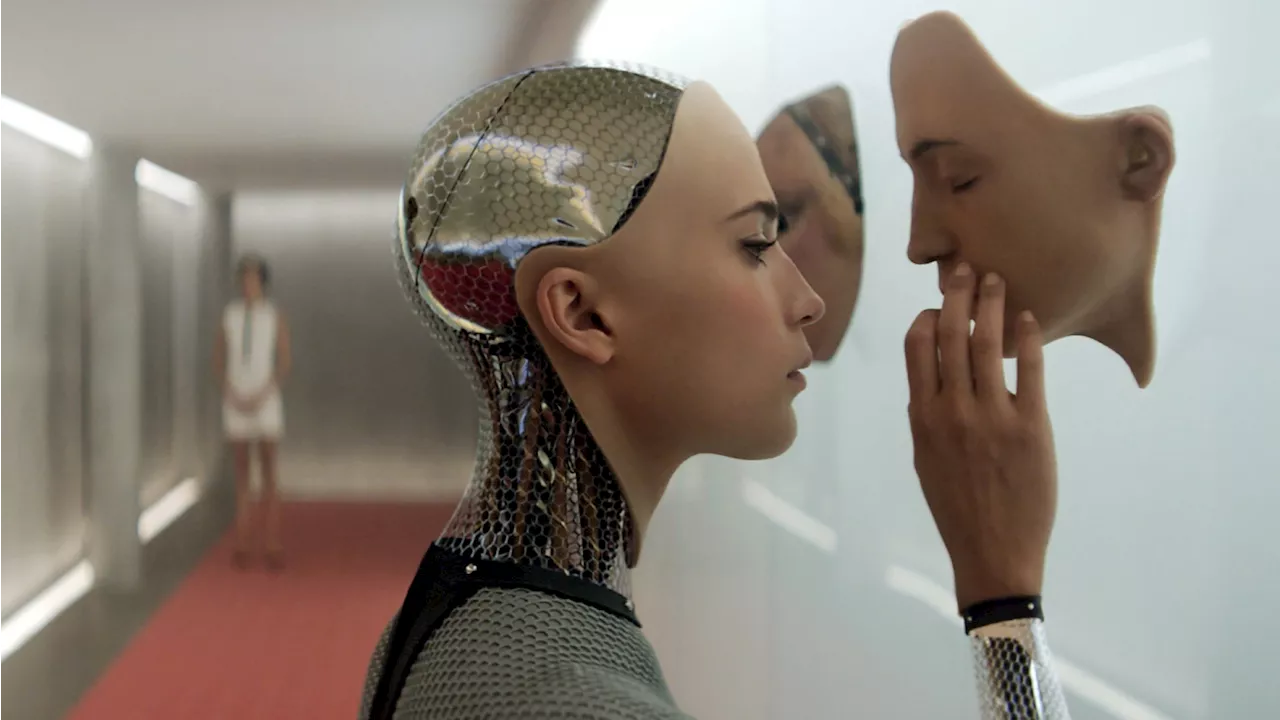
Alex Garland’s directorial debut, Ex Machina, released in 2014, has garnered significant acclaim for its thought-provoking exploration of artificial intelligence and humanity. As discussions surrounding AI intensify in today’s technological climate, the film’s themes resonate even more deeply, prompting viewers to reflect on the implications of advanced technology in daily life.
Set in a remote research facility, the story follows Caleb, a coder at a leading tech company, who wins a contest to spend a week with the company’s enigmatic CEO, Nathan. During this time, he participates in an experiment involving Ava, a sophisticated AI designed to mimic human behavior. Caleb’s task is to assess Ava’s capabilities, leading to profound questions about consciousness and emotional intelligence. Garland’s narrative raises critical points that feel particularly relevant in an era increasingly influenced by AI.
Garland is recognized not only for his directorial work but also for his contributions to various genres, especially horror. His background includes writing for a popular horror franchise and adapting a comic book series that, despite initial underperformance at the box office, has achieved a cult following. This diversity in his creative portfolio has established him as a prominent voice in contemporary cinema.
The film received an Oscar nomination for Best Original Screenplay, highlighting its strong narrative and innovative storytelling. It also won the Academy Award for Best Visual Effects, demonstrating that a modest budget can effectively bring complex sci-fi concepts to life. This achievement serves as a valuable lesson in filmmaking, showcasing Garland’s ability to maximize resources while delivering a visually stunning product.
The performances of the lead actors, particularly Alicia Vikander as Ava, Domhnall Gleeson as Caleb, and Oscar Isaac as Nathan, are central to the film’s impact. Vikander’s portrayal of Ava, a robot grappling with human identity, captivates audiences with its depth and complexity. Although the trope of a robot learning about humanity is well-trodden, Ava’s multifaceted character keeps the narrative engaging and thought-provoking.
As viewers revisit Ex Machina on streaming platforms, its cautionary message about the rapid advancement of technology becomes increasingly pertinent. The film serves as a reminder of the ethical implications surrounding AI development, encouraging audiences to consider the potential consequences of their technological reliance.
While Garland has continued to create in various formats, many critics and fans regard Ex Machina as his crowning achievement. Its compact storytelling and captivating premise encourage audience engagement, prompting reflection on the nature of consciousness and the future of human-technology relationships.
The enduring legacy of Ex Machina in the sci-fi genre is a testament to its compelling execution and the relevance of its themes. The film not only entertains but also sparks dialogue about the evolution of technology and its effects on society. As such, it remains a significant work in Garland’s filmography and a powerful exploration of the intersection between AI and human connection.