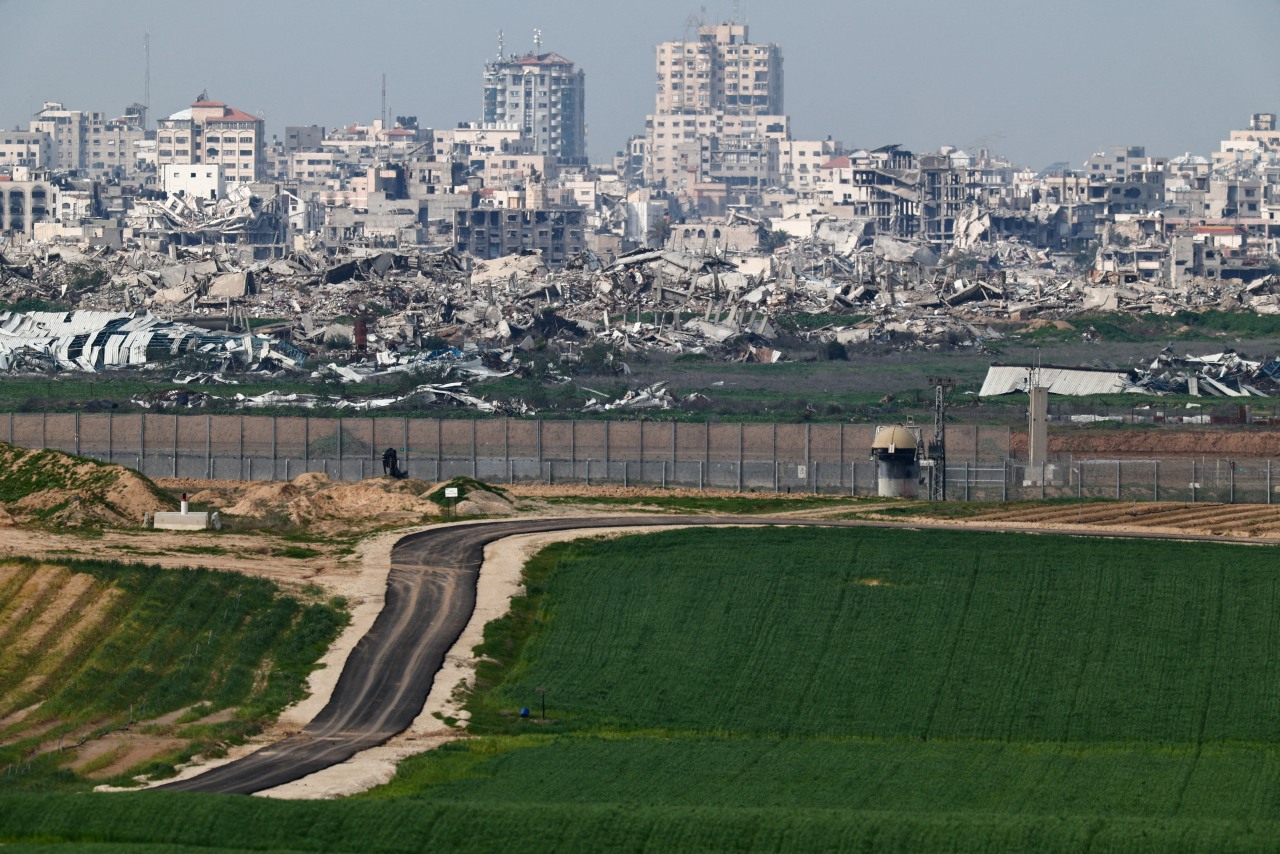
In a significant shift in regional dynamics, Israel is reportedly supporting new Palestinian militias that are actively targeting Hamas forces in Gaza. These militias operate from an area under Israeli control, conducting military operations against Hamas in regions that are typically designated as off-limits for Israeli troops. This development raises important questions about the evolving security landscape in the region.
The Palestinian fighters, who have emerged in recent months, are strategically utilizing their proximity to Israeli-controlled territories to launch attacks on Hamas. These operations suggest a complex interplay of alliances and enmities within the Gaza Strip, where the ongoing conflict has led to a fragmented landscape of power and influence.
New Alliances and Tactical Shifts
According to reports, the relationship between Israel and these emerging militias is characterized by a shared objective: weakening Hamas’s grip on power. The Israeli government has long viewed Hamas as a significant threat, particularly since the group seized control of Gaza in 2007. The support for these militias could be seen as part of a broader strategy to destabilize Hamas and reduce its military capabilities.
Military analysts suggest that the backing of these new fighters may also serve to divert attention from Israel’s own military operations in Gaza. By facilitating the emergence of local groups targeting Hamas, Israel may be attempting to reshape the conflict dynamics while maintaining its own operational limitations in the region.
The precise nature of Israel’s support remains somewhat ambiguous. Reports indicate logistical assistance, including intelligence sharing and possibly arms supplies, although official confirmation from the Israeli government has not been forthcoming. This calculated approach allows Israel to distance itself from direct involvement while still influencing the course of events on the ground.
Impact on the Civilian Population
As this situation evolves, the implications for the civilian population in Gaza are profound. The ongoing conflicts and power struggles between various factions contribute to a worsening humanitarian crisis. Civilians often find themselves caught in the crossfire, facing increased violence and instability.
Human rights organizations have expressed concern over the impact of these new militias on the already vulnerable population. The potential for escalating violence raises alarm bells for international observers, who fear that the situation could spiral into a broader conflict. With the humanitarian situation in Gaza already dire, any increase in hostilities could exacerbate the challenges faced by civilians.
The emergence of these militias and their alignment with Israeli interests marks a notable change in the political landscape of Gaza. As the situation develops, it will be essential to monitor how these dynamics affect not only the conflict with Hamas but also the broader regional stability.
In conclusion, Israel’s quiet backing of new Palestinian militias fighting Hamas highlights a complex web of alliances and conflict strategies in Gaza. The ramifications of this support are likely to resonate throughout the region, shaping the future of both Israeli-Palestinian relations and the humanitarian landscape in Gaza.