Tensions within the Congressional Black Caucus (CBC) have intensified, reflecting a deeper generational divide among its members. Notably, the clash centers around differing visions for the future of the caucus, with younger members advocating for significant changes in leadership and direction. This rift has come to the forefront as discussions regarding the caucus’s future are taking place against a backdrop of historic political challenges.
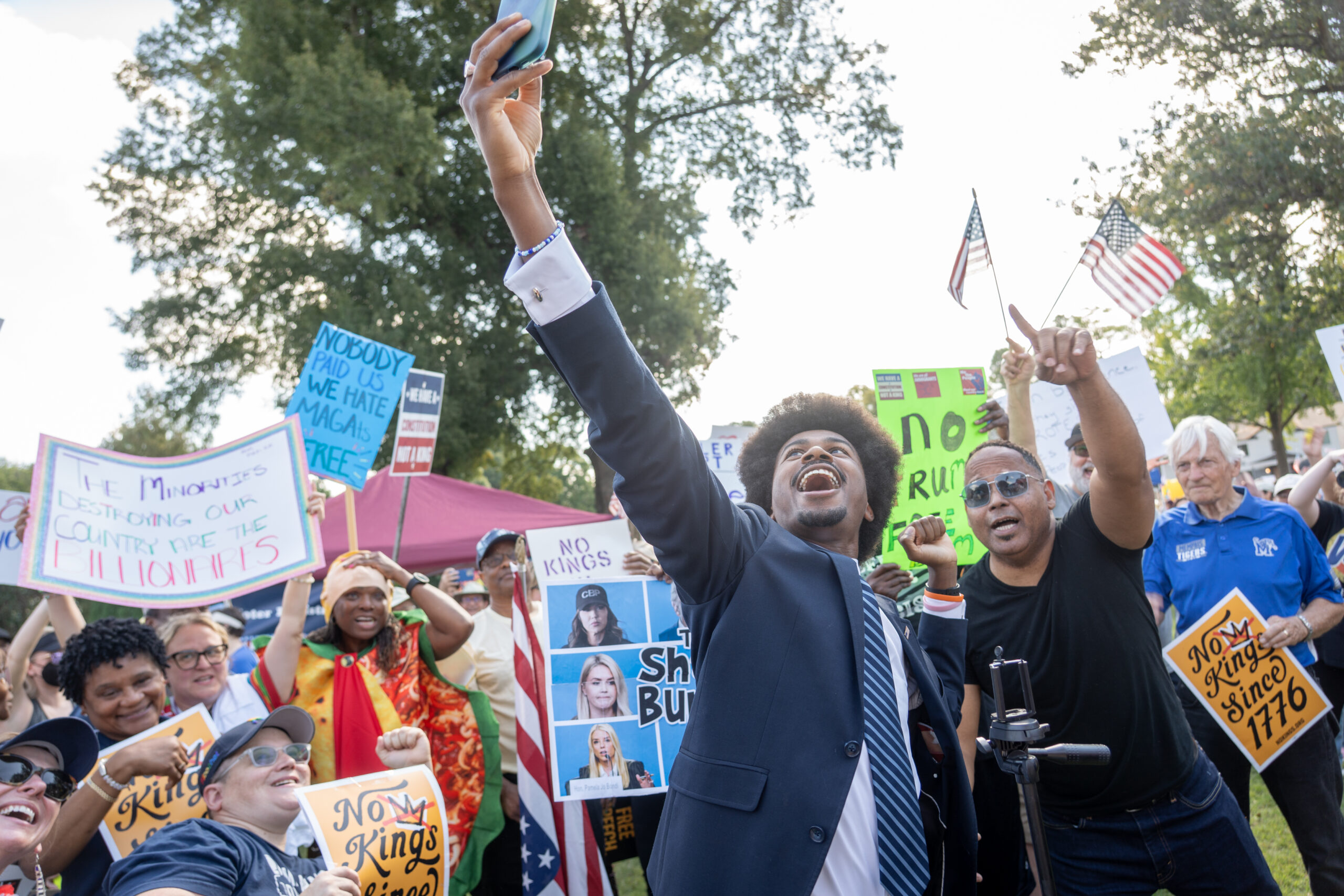
During a recent forum, Tennessee state Representative Justin Pearson articulated a sentiment that has resonated with many younger members of the CBC. “You cannot be a part of the system for 40 years and also be the one who’s going to change it for the next 40,” Pearson stated. His remarks encapsulate a growing frustration among younger leaders who feel that established members are out of touch with the needs and aspirations of the current generation.
The CBC, traditionally a strong voice for African American issues in Congress, is facing scrutiny as it navigates this internal conflict. The caucus, which has been pivotal in advocating for civil rights and social justice, now finds itself at a crossroads. As the nation grapples with ongoing social and economic inequalities, the question arises: can the CBC adapt to the changing political landscape while maintaining its core mission?
Calls for Leadership Change
Younger members of the CBC are increasingly vocal about the need for new leadership that reflects the evolving demographics of the African American community. Some members argue that a fresh perspective is necessary to address contemporary issues effectively. This perspective was echoed during discussions leading up to the CBC’s upcoming annual legislative conference.
In contrast, senior members of the caucus have defended their experience and the importance of continuity in leadership. They argue that it is essential to build on the foundations laid over the past decades. This clash of ideologies highlights not only a generational divide but also differing approaches to political engagement within the African American community.
The CBC’s internal dynamics are further complicated by external political pressures. As elections approach, the caucus must strategize how to maintain its influence while fostering unity among its diverse membership. Representatives are aware that their collective strength is crucial in advocating for policies that benefit their constituents.
Future Directions and Unity Challenges
As the CBC prepares for its next steps, the challenge of uniting varying perspectives remains paramount. With members advocating for change while respecting the legacy of those who came before them, finding common ground will be essential. The ongoing discourse within the caucus reflects broader societal shifts, where younger generations are demanding more representation and accountability from their leaders.
The upcoming legislative session will serve as a critical test for the CBC. Members will need to demonstrate their ability to work collaboratively while addressing the pressing issues facing their constituents. As they navigate this generational divide, the caucus has an opportunity to redefine its mission and strengthen its role as a leading advocate for African American communities.
In summary, the rift within the Congressional Black Caucus signifies more than just a generational clash; it represents a critical moment for the caucus to reassess its goals and strategies. The outcome of this internal debate will likely shape the future of the CBC and its effectiveness in representing the interests of African Americans in Congress.