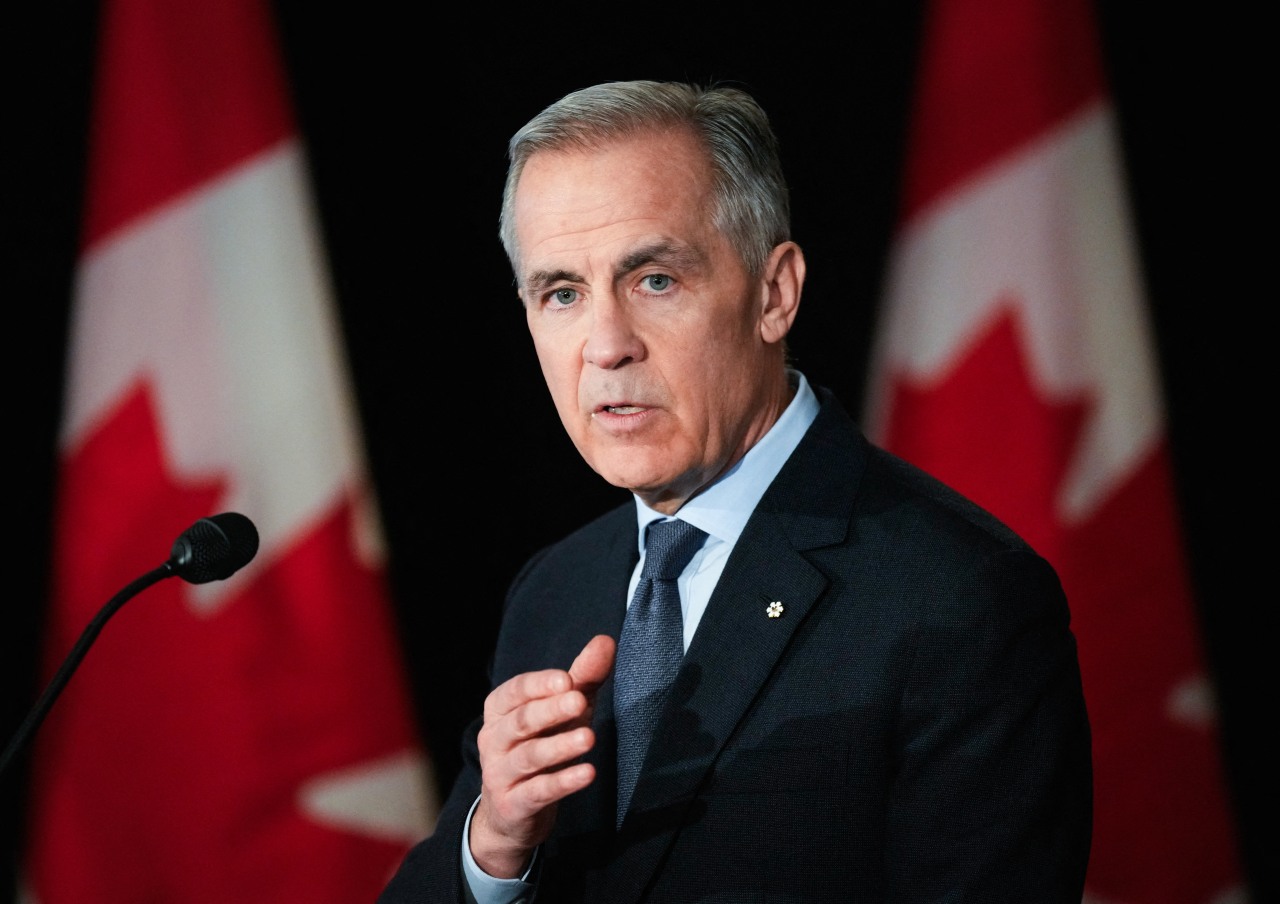
In a significant policy shift, Canadian Prime Minister Justin Trudeau has adopted a tougher stance towards the United States, particularly in relation to trade discussions and economic strategies. This change comes as crucial trade negotiations loom, with former Bank of Canada Governor Mark Carney emphasizing a more aggressive approach to dealing with economic coercion from global partners, especially China.
October 2023 marks a pivotal moment as Carney, now an influential figure in Trudeau’s cabinet, publicly denounces economic coercion tactics used by other nations. He argues that Canada must not only engage in cooperative trade practices but also be prepared to defend its economic interests robustly. This shift away from a historically amicable and conciliatory approach signals a new phase in Canada’s trade policy, particularly in its dealings with its closest trading partner, the United States.
Carney’s comments, made during a recent address at the World Economic Forum, underline the urgency of protecting Canadian industries against external pressures. He stated, “Canada cannot afford to be perceived as a passive player on the global economic stage. We must be proactive in securing our trade interests.” His remarks resonate as Canada navigates complex relationships with both the United States and China, two of its largest trading partners.
The backdrop of this policy transformation includes ongoing discussions about several crucial trade agreements. Carney has indicated that Canada must leverage its position to ensure fair treatment in negotiations, particularly in sectors vulnerable to external economic pressures. The current geopolitical climate, characterized by rising tensions and economic competition, necessitates a more assertive Canadian stance.
In practical terms, this means that Canada is likely to take a firmer approach in discussions regarding tariffs, trade deficits, and market access. Carney’s focus on “hardball” tactics suggests a readiness to confront challenges head-on rather than adopting a conciliatory posture. This is particularly relevant as Canada prepares to address long-standing trade issues, including those surrounding dairy and lumber, where U.S. tariffs have historically impacted Canadian exports.
The implications of this shift are vast. As Canada positions itself as a more vigorous defender of its economic interests, it may alter the dynamics of North American trade relations. The potential for heightened negotiations may lead to more intense discussions in upcoming trade forums, and Canadian officials are expected to prioritize the protection of key industries as negotiations unfold.
While some may view this hardline approach as a departure from traditional diplomatic norms, Carney argues that it is essential for Canada to adapt to the current global economic landscape. He adds, “In a world where economic coercion is becoming increasingly common, we need to stand firm and assert our rights.”
As these developments unfold, the international community will closely monitor Canada’s evolving trade policies. The outcomes of these negotiations could set significant precedents for future economic interactions and establish Canada as a formidable player in global trade discussions. With a renewed commitment to defending its economic interests, Canada is poised to navigate the complexities of international trade with a more assertive posture.