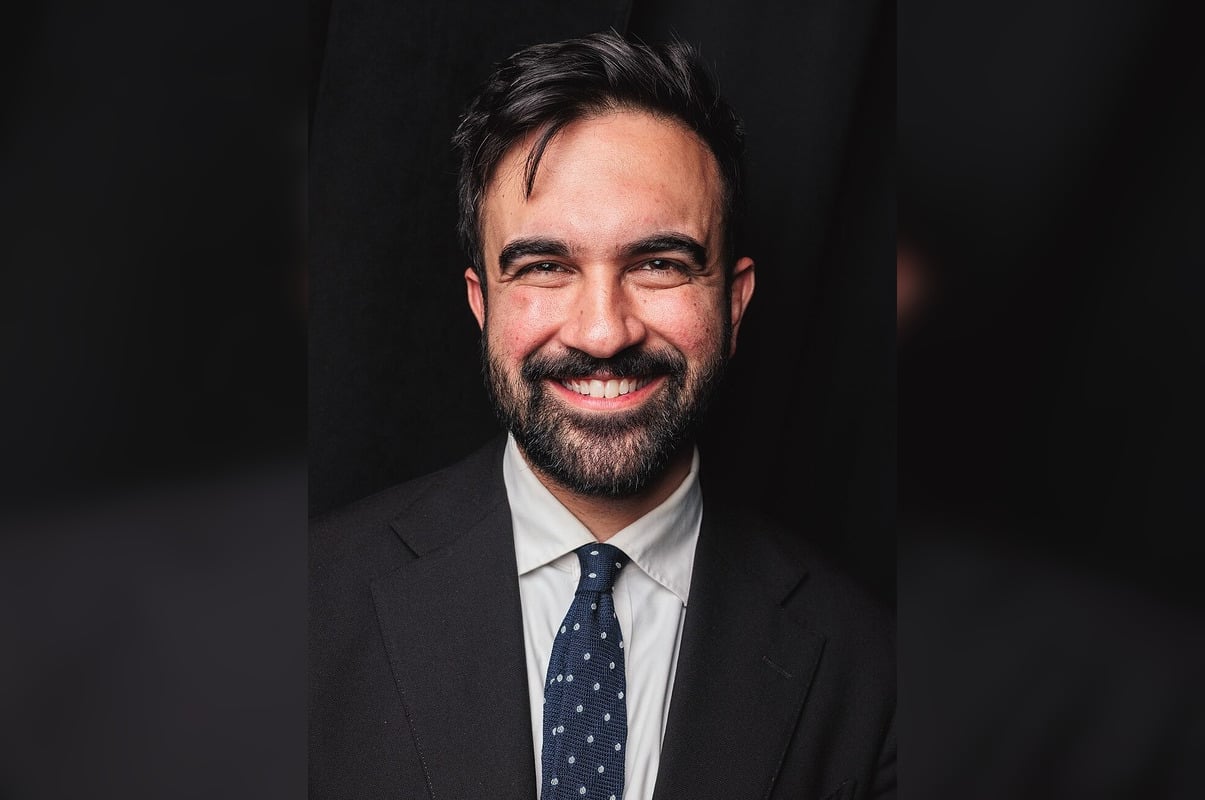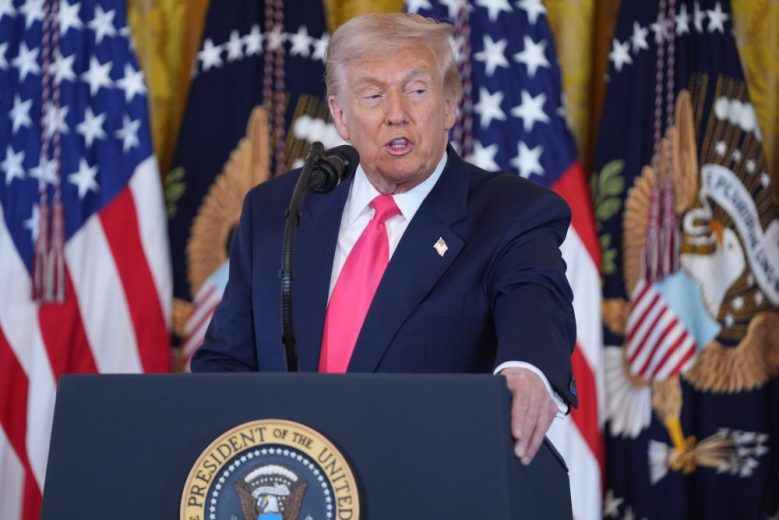
A letter published in a local newspaper has highlighted growing frustration with the Trump administration’s handling of accountability and truth, particularly regarding interactions between government officials and the public. The writer, Kevin Carley from Portland, expressed anger over a perceived pattern of deception from President Donald Trump and his Cabinet, specifically in relation to misstatements about government actions and events.
The letter criticizes the administration for failing to acknowledge mistakes, opting instead to propagate falsehoods. Carley questions the credibility of information released by the federal government, citing concerns over economic statistics and the impacts of climate change. He argues that such misinformation undermines public trust, leading to feelings of sadness and anger among citizens.
Carley specifically points to a recent incident involving a woman named Renee Good in Minneapolis, where Trump claimed she had “violently, viciously and willfully” harmed an ICE agent, who allegedly acted in self-defense. According to Carley, this statement is untrue, as Good did not engage in disorderly conduct or harm anyone. He emphasizes the troubling implications of this narrative, drawing parallels to themes from George Orwell’s novel, “1984,” which explores government manipulation of truth and reality.
In his letter, Carley references the famous Orwellian assertion: “The party told you to reject the evidence of your eyes and ears. It was their final, most essential command.” He questions whether Republican leaders, including Kristi Noem and JD Vance, truly believe that all employees within the U.S. Immigration and Customs Enforcement (ICE) are infallible.
The broader implications of such rhetoric raise concerns about accountability within the administration. Carley urges readers to critically evaluate the information presented by government officials, suggesting that the lack of transparency and honesty has serious consequences for democratic discourse.
As the political landscape continues to evolve, the letter serves as a reminder of the importance of accountability and the responsibility of leaders to provide truthful information to the public. The ongoing discourse surrounding these issues reflects a growing demand for honesty in governance, as citizens increasingly seek reliable sources of information amid a climate of skepticism.