The concept of a “Smart Home” is undergoing a significant transformation, shifting from passive convenience to active cleaning solutions. This evolution marks the dawn of Smart Home 2.0, where devices not only respond to user commands but also perform tasks autonomously. As technology advances, the latest devices navigate homes independently, taking on cleaning responsibilities that traditionally required human effort.
The Rise of Intelligent Robotics
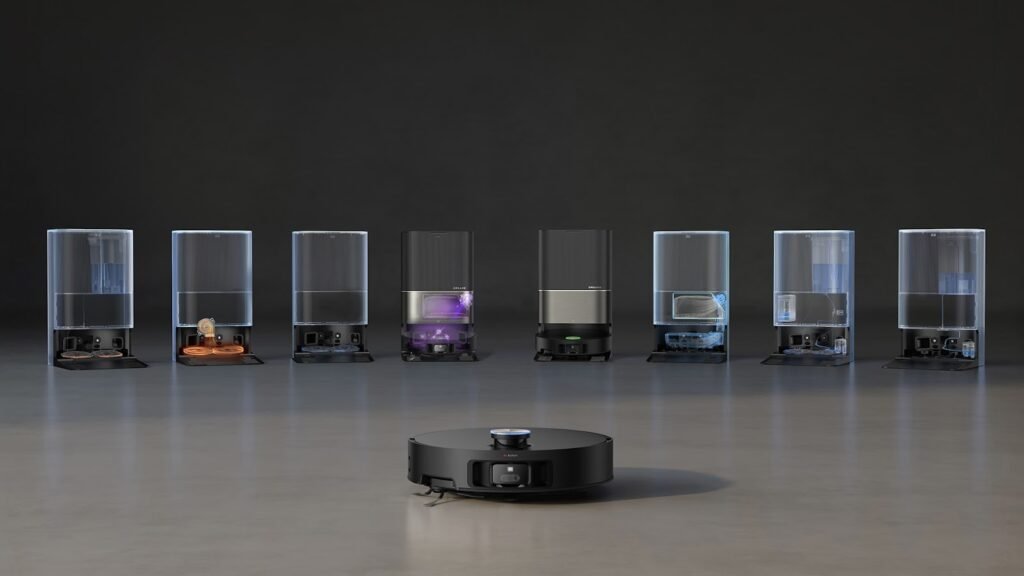
The transition from manual cleaning tools to intelligent robotic devices signifies one of the most substantial advancements in household management since the introduction of washing machines. Early robotic vacuums were often seen as cumbersome toys, frequently getting stuck and requiring substantial user intervention. In contrast, today’s robotic vacuums and mops leverage sophisticated technologies, including LiDAR and vSLAM (Visual Simultaneous Localization and Mapping). These technologies enable them to create precise, millimeter-accurate maps of homes.
Modern robotic cleaners do not simply navigate randomly; they intelligently plan their cleaning routes to ensure maximum coverage. They employ systematic cleaning patterns that allow them to tackle each room efficiently. Advanced features, such as AI-powered obstacle recognition, have resolved previous issues, allowing these devices to avoid common household hazards like cables and toys. This capability means users can now schedule cleaning sessions without the need for preemptive tidying, effectively allowing for true “set and forget” automation.
Handheld Tools: A Quiet Revolution
While robotic devices manage day-to-day maintenance, handheld cleaning tools have also experienced a significant upgrade. The traditional mop and bucket are being replaced by smart wet-dry vacuums that utilize sensors to adapt to various messes. High-end models now include infrared dirt detection sensors, which analyze debris density and liquid opacity in real time.
These smart vacuums automatically adjust suction power and water flow based on the mess encountered. For instance, when cleaning light dust, the vacuum conserves energy, while it ramps up to maximum power for sticky spills. This self-optimizing feature eliminates the need for users to adjust settings manually, as the device optimizes its performance continuously—up to 500 times per second.
Moreover, the self-cleaning cycles in these devices address common issues with traditional cleaning tools, such as mold and odor, ensuring a more hygienic cleaning experience.
Integration and Ecosystem Connectivity
A defining feature of Smart Home 2.0 is the interconnectedness of devices. Integration with voice assistants like Google Home, Alexa, and Siri enables users to issue natural language commands, streamlining the cleaning process. For example, users can easily instruct their robotic cleaners to “clean the kitchen” with just a voice command.
Smartphone applications allow users to designate specific areas for cleaning or draw “No-Go Zones” to protect sensitive spaces, such as children’s rooms. Additionally, smart diagnostics provide maintenance alerts, notifying users when filters need cleaning or tanks require refilling, preventing potential breakdowns.
Investing in these advanced smart home technologies differs from purchasing entertainment devices like televisions. Instead of merely enhancing leisure time, these productivity-focused devices reclaim valuable hours previously consumed by mundane chores. In modern smart homes, the floor is no longer a space requiring manual cleaning; it is an area that is cleaned automatically, fundamentally altering daily living.
As technology continues to evolve, the implications of this shift towards autonomous cleaning will resonate throughout households worldwide. The advancements in smart home technology not only promise convenience but also signify a broader transformation in how we manage our living spaces.