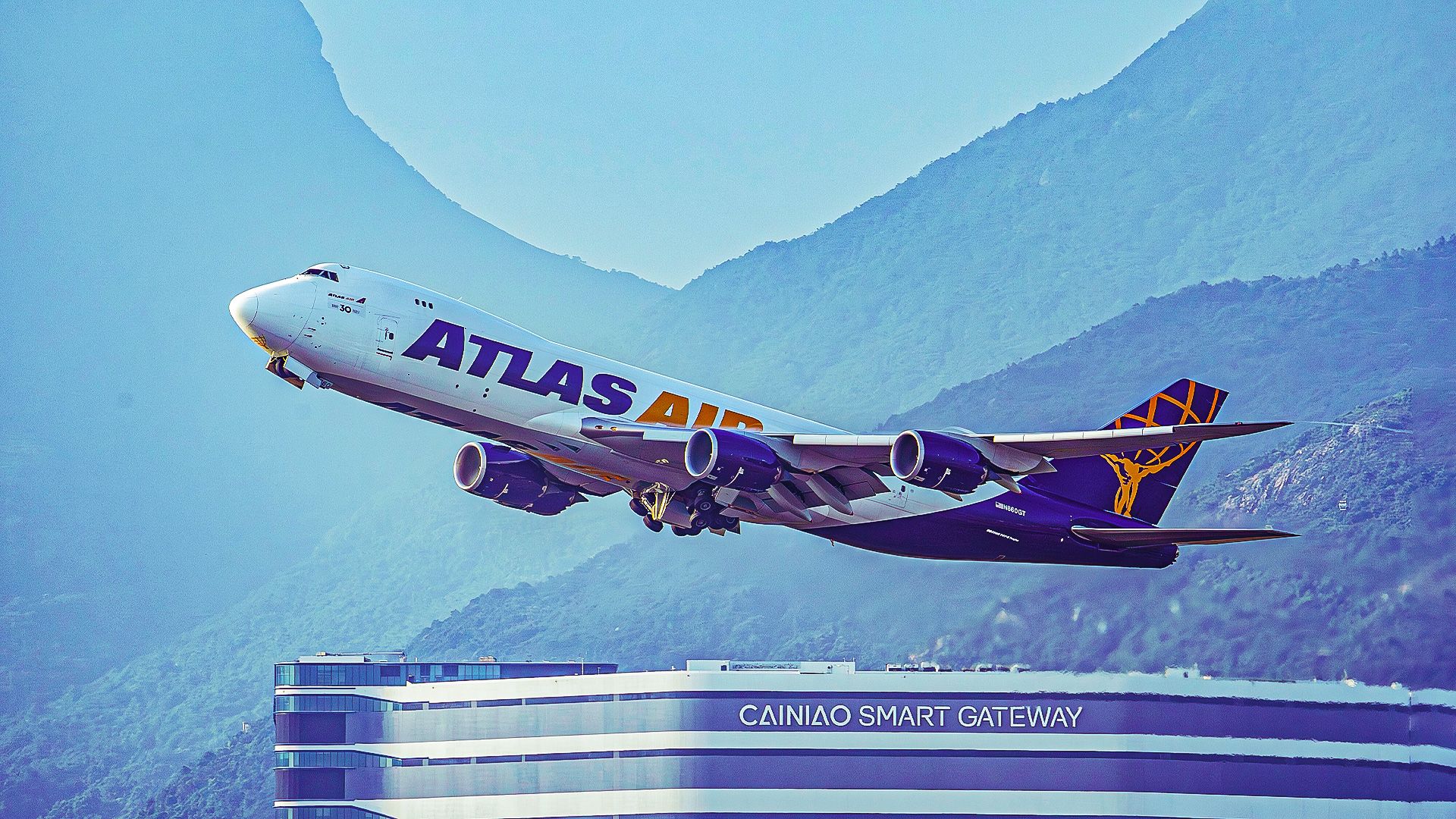
The Boeing 747-8, a modern variant of the iconic aircraft, is not poised for retirement anytime soon. Currently, there are 28 active Boeing 747-8 aircraft operating across five different airlines, with most of these planes being relatively young. The youngest of the fleet is approximately eight years old, while the oldest is nearing 15 years since its delivery. This age profile is significant, as well-maintained long-haul aircraft can remain operational well into their 20s, especially when they fulfill unique roles that other models cannot replicate.
The ongoing demand for the Boeing 747-8 is bolstered by its capabilities. It provides high passenger volumes alongside substantial cargo capacity, making it particularly valuable in today’s market. The operational profile of the aircraft is concentrated among a few airlines, with Lufthansa accounting for the majority of the active passenger fleet. Meanwhile, Air China and Korean Air maintain smaller fleets for high-density routes. Additionally, the aircraft finds a second life in government and special-mission roles, further extending its service life.
Current Operators and Future Outlook
The passenger variants of the Boeing 747-8 are mainly operated by three airlines: Lufthansa (16 aircraft), Air China (6 aircraft), and Korean Air (4 aircraft). Lufthansa’s fleet primarily consists of aircraft that are between 10 and 14 years old. Notably, one Lufthansa aircraft has a projected retirement date of mid-2026, while Korean Air’s models are set to begin retiring in January 2031.
The operational strategies of these airlines highlight the unique advantages of the Boeing 747-8. It can carry a large number of premium and economy seats on routes with high demand, while also accommodating significant belly cargo. This flexibility is especially beneficial for operators facing slot constraints at major airports.
Beyond commercial airlines, the Boeing 747-8 is also utilized by various governments. The Egyptian Air Force and the Republic of Korea Air Force each operate a modified version of the aircraft, configured for VIP transport. These jets are designed to carry senior officials and include specialized interiors for secure communications and meeting spaces.
Adapting to New Roles
The future of the Boeing 747-8 appears secure, particularly in non-commercial applications. The United States government, for instance, plans to modify two Boeing 747-8I models under the VC-25B program to replace the current executive transport fleet. Expected to enter service in 2028, these aircraft will serve strategic roles rather than commercial purposes, extending the life of the model significantly.
As the production of the Boeing 747-8 concluded in January 2023, the remaining operators will maintain the necessary infrastructure, including crews and spare parts, to keep the aircraft flying. This is particularly evident with airlines like Korean Air, which has indicated plans to operate its jets until at least 2031.
While the overall number of Boeing 747-8 aircraft may gradually decline, this will likely occur through a selective retirement process rather than a mass exit from the skies. The types of routes served may become more limited, focusing on peak travel times and key hubs.
The Boeing 747-8 is a unique bridge between different aviation eras. It combines the operational flexibility of previous models with modern efficiencies. With its ability to accommodate large passenger volumes and significant cargo loads, the aircraft remains a vital asset for both commercial airlines and government operations. As the aviation landscape evolves, the Boeing 747-8 is set to continue making its mark for many years to come.