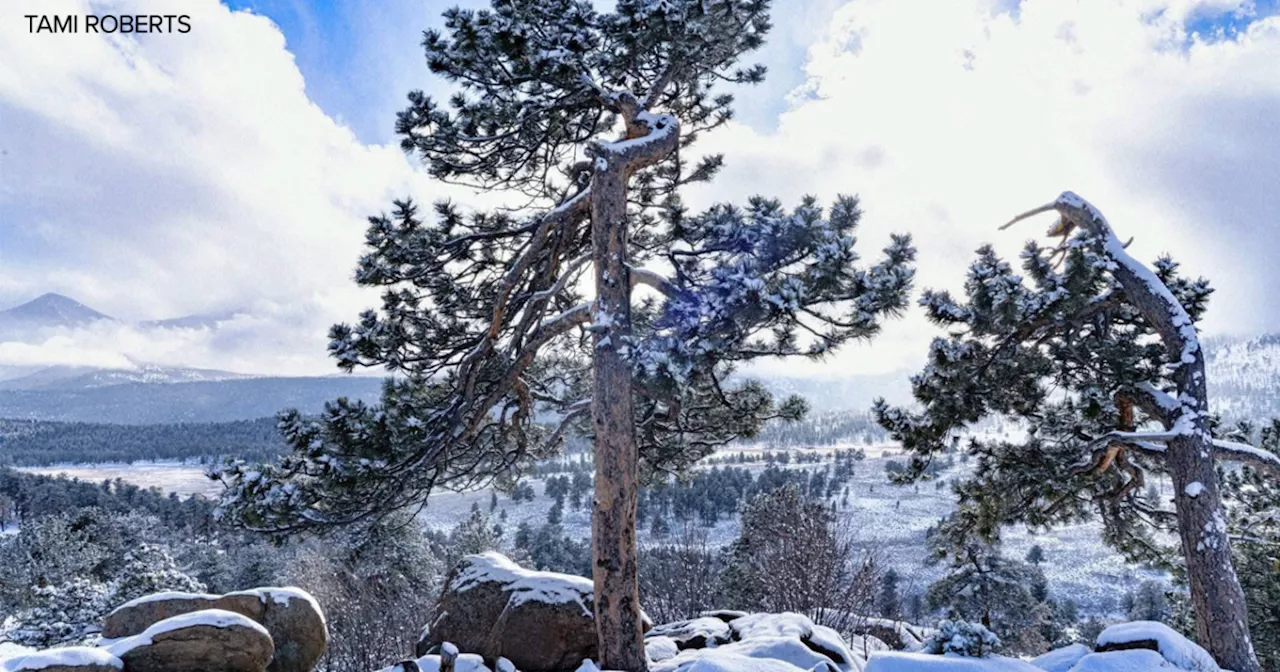
Cold temperatures and light snowfall swept across Colorado over the weekend as an Arctic blast impacted the region. While the recent weather brought some much-needed moisture, snowpack levels remain significantly below normal, raising concerns for water supply and agricultural needs.
Most areas in the metro Denver region saw only about an inch of snow, with some foothill locations receiving slightly higher totals. As of Monday, all of Colorado’s river basins reported below-median snowpack levels, according to data from the United States Department of Agriculture (USDA) and the Natural Resources Conservation Service (NRCS). The Lower San Juan Basin is particularly affected, recording a mere 24% of its median snowpack.
The South Platte River Basin, which encompasses Denver, shows snow water equivalent levels at just 57% of the median. In contrast, the Upper Green Basin leads the state with snowpack levels at 95%. This disparity highlights the uneven distribution of snow across the state.
Locations across Colorado reported varying snow totals as of Monday, with some notable accumulations including:
– 151 cm at NNW Monarch Pass
– 133 cm at SE Wolf Creek Pass
– 7.31 cm at ENE Ensenada, NM
While the snowfall provides temporary relief, the persistent below-normal snowpack raises alarms about potential water shortages in the coming months. As Colorado relies heavily on snowmelt for its water supply, these figures warrant attention from both state officials and residents.
As the winter season progresses, monitoring snowfall and snowpack levels will be crucial. With Colorado’s diverse geography, the impacts of these weather patterns can differ significantly from one area to another.
For those interested in skiing or snowboarding, Colorado ski resorts have also reported their snowfall totals, which can be found on their respective websites. The latest conditions highlight the ongoing challenges presented by this winter season, as communities prepare for the months ahead.
Weather forecasts indicate continued cold temperatures, and residents are encouraged to stay informed about changing conditions. The National Weather Service provides ongoing updates and resources to help the public navigate these wintry challenges effectively.