Human Rights Watch (HRW) has called for the urgent protection of civilians as clashes escalate in northeastern Syria. The organization urged both the Syrian transitional government and the Kurdish-led Syrian Democratic Forces (SDF) to adhere to international human rights law amid increasing violence that has placed innocent lives at risk.
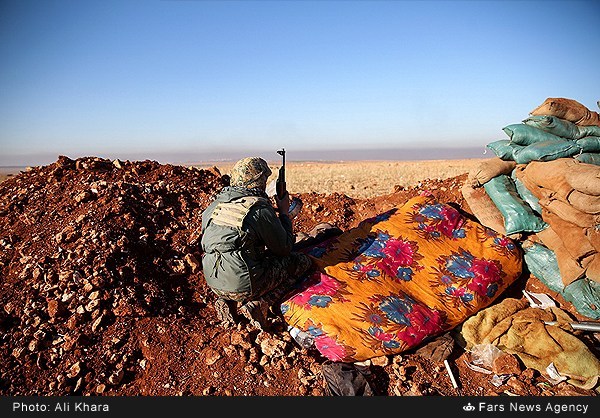
In a statement released on January 21, 2024, HRW highlighted the severe impact of the renewed fighting, which began on January 6 in the Kurdish neighborhoods of Sheikh Maqsoud and Ashrafieh in Aleppo. The conflict intensified around January 17, when reports indicated that transitional government forces took control of Raqqa and Deir Ezzor, advancing toward areas in al-Hasakah.
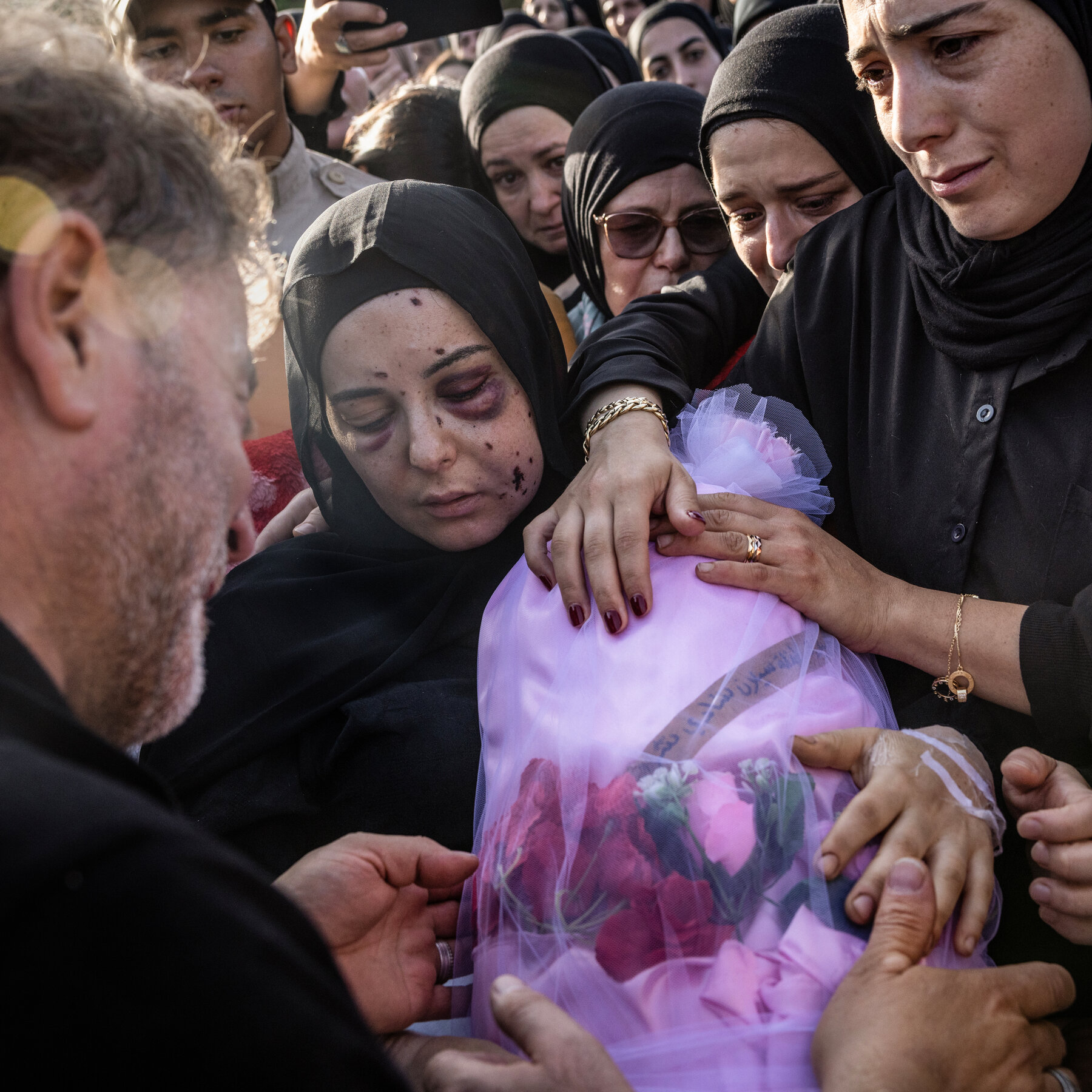
Despite an agreement to halt hostilities on January 18, observers noted that violations have continued. A four-day ceasefire was purportedly agreed upon on January 20, yet the situation remains dire for civilians attempting to escape the violence. HRW reported that these individuals faced sniper fire and shelling along designated escape routes, exacerbating their plight.
Adam Coogle, Deputy Middle East Director at HRW, emphasized the need for both sides to avoid obstructing humanitarian assistance and to ensure access to essential resources such as water and electricity. He stated, “In the propaganda ping-pong, civilians are paying the highest price,” underscoring the disregard for civilian safety in the pursuit of territorial gains.
The organization also reported severe outages of electricity and water in Aleppo and al-Hasakah during the conflict. HRW warned that the deliberate weaponization of utilities, leading to disproportionate harm to civilians, may constitute a war crime. Furthermore, unsettling online videos depicted the arrests of Kurdish residents in Aleppo, raising concerns about arbitrary detention—a violation of international law.
The United Nations expressed concerns earlier this month about the deteriorating security situation in Syria, warning that repeated failures of ceasefire arrangements have created an unstable environment.
The backdrop of this conflict is politically fragile. Since Bashar al-Assad‘s government assumed control in December 2024, Ahmad al-Sharaa has faced escalating economic, social, and political pressures. Al-Sharaa aims to consolidate various armed factions into a single national army, rejecting the SDF’s calls for a decentralized security model that would allow for local governance and autonomy in northeastern Syria.
Before the latest escalation, the SDF controlled approximately 30 percent of Syrian territory and collaborated with US forces in the region in operations against the Islamic State. The ongoing clashes and humanitarian crisis illustrate the urgent need for international attention and action to protect civilians trapped in the conflict.