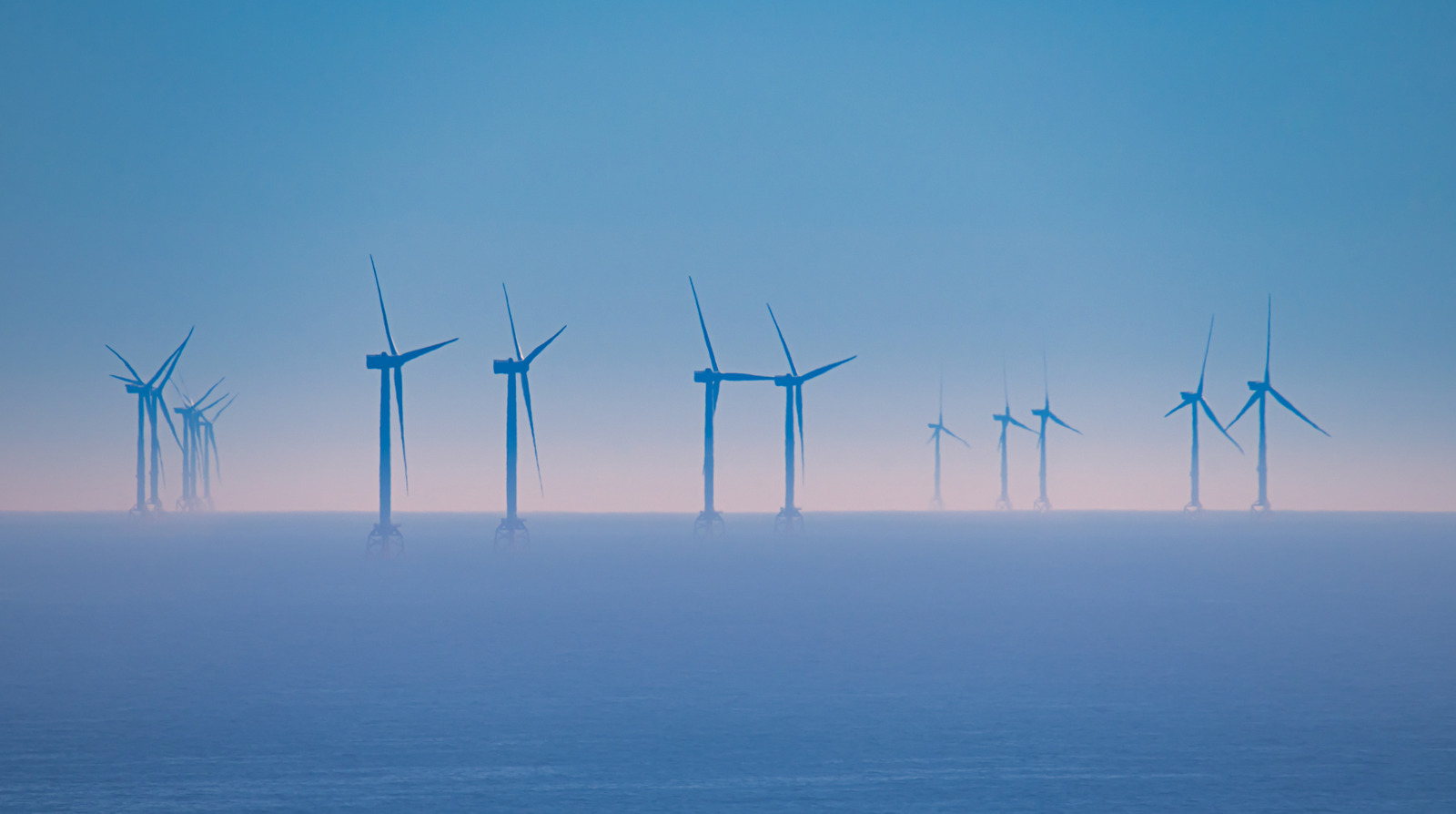
Offshore wind farms are emerging as more than just energy producers; they are transforming into vital habitats for marine life. Recent studies reveal that these structures, while primarily designed to harness wind energy, are also playing a significant role in ecological restoration. This dual purpose is particularly evident in regions like the North Sea, which has hosted wind turbines for over two decades.
Wind energy has been harnessed in various forms for thousands of years, from the sails of ancient ships to the windmills used for pumping water. The first megawatt wind turbine, developed in 1941, marked a pivotal moment in renewable energy. Today, the United States boasts more than 90,000 wind turbines, including several operational offshore farms, which utilize stronger and more reliable winds found over the ocean compared to land-based counterparts.
Ecological Impact of Offshore Wind Farms
Despite their benefits, offshore wind farms raise valid environmental concerns. Potential risks include bird collisions, underwater noise during construction, and disturbances to the seabed from cable installations. These factors can harm local ecosystems and marine species, prompting researchers to investigate the long-term effects of these installations.
However, findings from independent studies of North Sea wind farms suggest a more nuanced reality. Research published in The Anthropocene magazine indicates that rather than being detrimental, offshore wind turbines may function as artificial reefs. This occurs as they create sanctuaries that foster the growth of marine life. In areas where fishing is restricted, these installations offer a glimpse into their positive environmental impact.
Marine Life Flourishes Around Wind Turbines
The Nature Conservancy’s ongoing research highlights the potential for integrating reef restoration into the development of offshore wind farms. Protected marine areas surrounding these structures could significantly aid in the restoration of fish populations. For instance, studies have shown that species such as harbour seals are increasingly drawn to these protected zones, likely in search of food. Additionally, populations of lobster and cod are reported to be thriving in these environments.
According to The Nature Conservancy, meeting global climate goals necessitates the installation of nearly 500 gigawatts of offshore wind power by 2030. The organization, along with others worldwide, aims to achieve this target while minimizing environmental impacts and maximizing benefits for marine ecosystems.
In summary, offshore wind farms are evolving beyond their initial purpose of generating energy. They are increasingly recognized as crucial habitats for marine life. As research continues to unveil the ecological advantages of these installations, the challenge remains to balance renewable energy expansion with environmental stewardship.