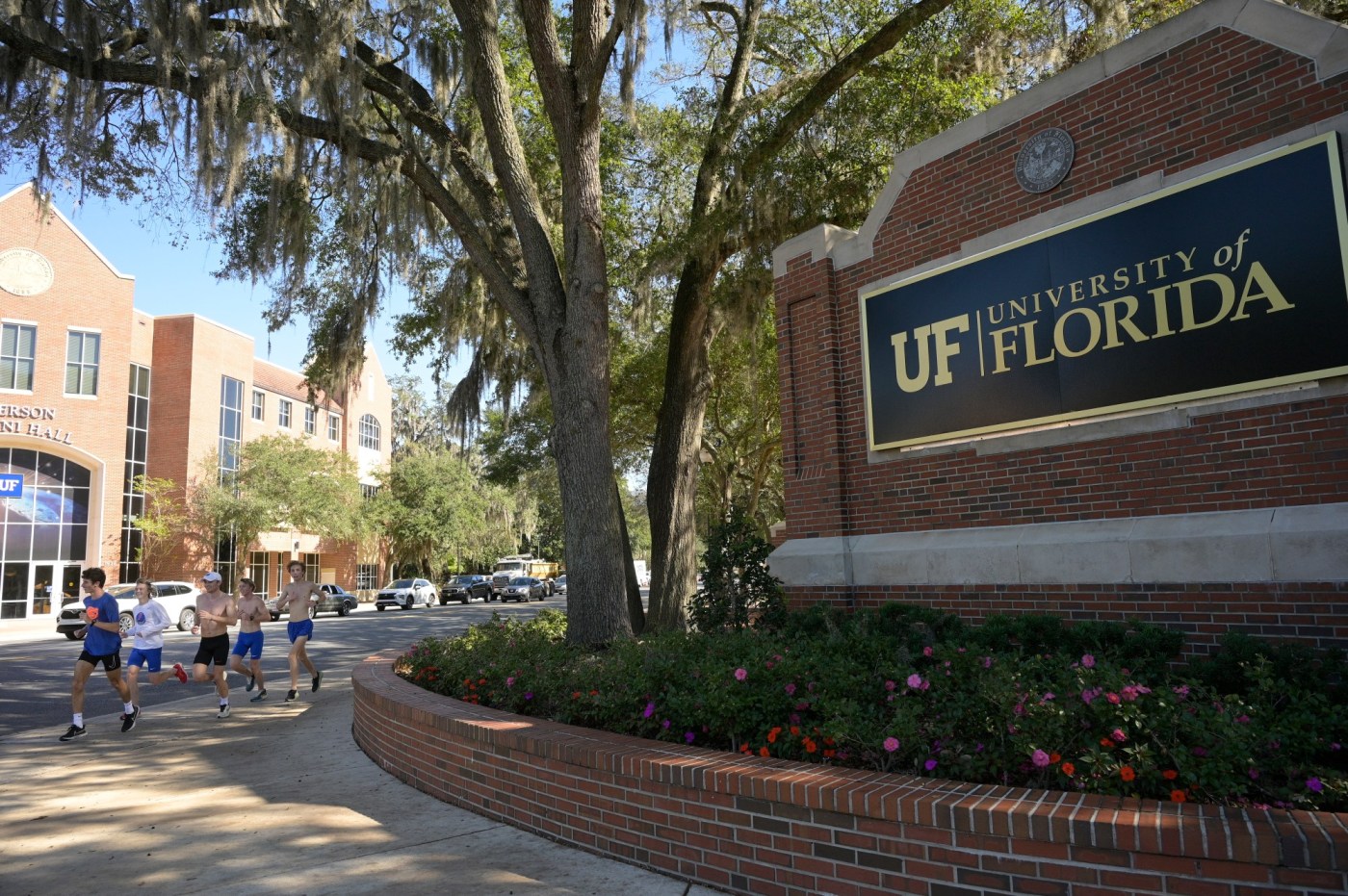
Florida’s public universities may soon face a significant restriction on hiring foreign faculty as the Florida Board of Governors is set to vote on a proposed ban on H-1B visa holders. This ban, if approved, would prevent these universities from employing faculty on H-1B visas for one year, potentially impacting science departments across the state.
The proposal arises in response to Governor Ron DeSantis‘s expressed desire to limit the use of H-1B visas, which are designed to allow U.S. companies to employ foreign workers in specialized fields. A vote is scheduled for Thursday, and if the board approves the ban, it will be followed by a two-week public comment period before finalizing the decision.
The H-1B visa program plays a crucial role in staffing Florida’s universities, with nearly 400 employees relying on these visas. Critics of the proposed ban argue that it could be “devastating” for science departments, as many foreign faculty fill roles that are difficult to staff with domestic candidates. Professor Kathryn Jones of Florida State University emphasized the necessity of these hires, particularly in fields such as genomics and cryo-electron microscopy.
Jones noted that the demand for qualified candidates often exceeds the supply of domestic applicants. She stated, “If you’re searching for someone who does cryo-electron microscopy, or if you’re searching for someone who looks at particular patterns and evolution, there’s often not someone from a domestic background who comes up in that year as ready to go up for a job.”
Data from the National Center for Science and Engineering Statistics indicates that in 2023, approximately 60% of individuals earning Ph.Ds in computer science from U.S. universities were temporary visa holders. Florida’s universities are among the largest users of the H-1B program, with the University of Florida employing around 150 staff on these visas. Other institutions, such as the University of South Florida and Florida State University, also rely heavily on this program.
The proposed ban has sparked debate about the value of foreign faculty. Jones referred to her colleagues on H-1B visas as “highly valued” and noted that many are already in the U.S. on student visas, using the H-1B as a pathway to citizenship. “They’re citizens now, and they are absolute contributors,” she said, expressing concern over losing access to skilled professionals.
The H-1B program currently supports over 7,200 employees in Florida, primarily in private companies. The program has also become a topic of division among political figures, particularly supporters of former President Donald Trump. In September 2023, Trump implemented a significant fee increase for H-1B visa applications, raising the cost from $215 to $100,000, a fee typically borne by employers.
While the Florida Board of Governors has not publicly detailed the rationale behind the proposed one-year ban, the decision could have lasting implications for the state’s academic landscape. As educators and institutions await the board’s decision, the future of H-1B visa faculty in Florida remains uncertain.
This story is developing, and updates will follow as more information becomes available.