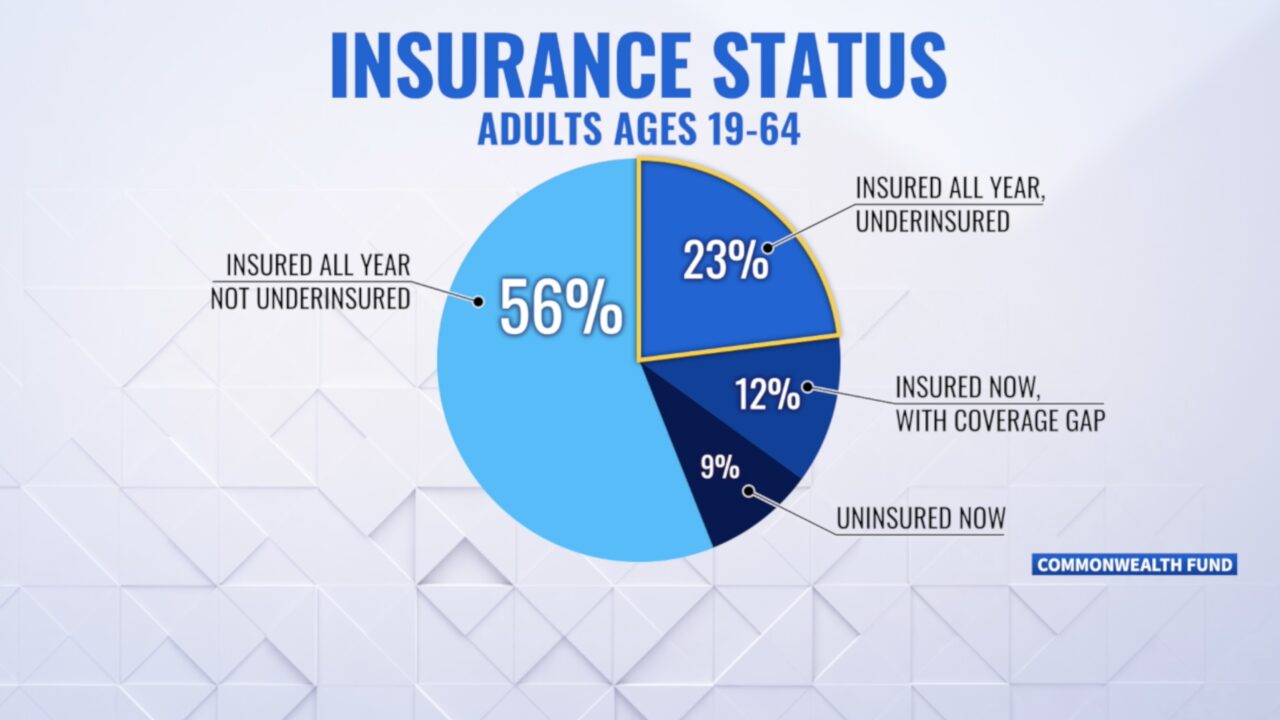
A significant number of working-age adults are postponing or avoiding necessary medical care due to financial concerns, even those with health insurance. According to recent estimates, approximately 23% of insured individuals may be considered underinsured, which can pose similar risks to being completely uninsured.
Dr. Anahita Dua, a vascular surgeon and associate professor of surgery, highlighted the issue, stating, “We always see people who avoid the hospital because of costs.” She emphasized that patients are increasingly reluctant to seek care, fearing expenses might be unmanageable despite having coverage. Dr. Dua elaborated on the dilemma, noting that patients worry about additional costs arising from necessary tests or treatments that may not be fully covered by their insurance.
Statistics from the Commonwealth Fund underline the gravity of the situation. While around 9% of working-age adults in the United States are uninsured, the alarming statistic reveals that an additional 23% are underinsured. This designation typically indicates that their insurance coverage is inadequate for accessing affordable care. “What we’re really saying is that maybe their deductible is too high,” Dr. Dua explained. “They can’t get to that high number before their insurance kicks in.”
The issue is particularly pronounced among individuals with chronic or rare health conditions. Tiara Green, president of Accessia Health, noted that many of these patients struggle to access essential specialty medications and treatments. “They become underinsured or considered underinsured when they don’t have access to those things,” Green stated. Accessia Health aims to bridge the gap, ensuring that patients receive the medical attention they require.
Free clinics provide another avenue for those facing financial barriers to care. However, Dr. Dua emphasized the critical importance of not delaying medical attention. “The most important thing is your life. Everything can be worked out. Hospitals do absorb significant costs, so do not delay,” she urged.
As financial pressures mount, the situation may worsen with the impending expiration of enhanced tax credits for individuals purchasing health plans through the Affordable Care Act (ACA) marketplace. Experts express concern that this could lead to an increase in the number of individuals becoming uninsured or underinsured. “It could lead to a number of individuals choosing high-deductible plans that may not necessarily cover their costs and lead to higher out-of-pocket expenses,” Green warned.
This ongoing crisis surrounding health insurance not only affects individuals but also poses broader implications for public health. Delays in seeking treatment can result in more severe health complications, ultimately leading to increased healthcare costs and a greater burden on the healthcare system.
In summary, the interplay between health insurance, costs, and patient behavior reflects a significant challenge within the healthcare landscape. Ensuring that individuals have adequate access to affordable care remains a critical goal for healthcare providers and policymakers alike.