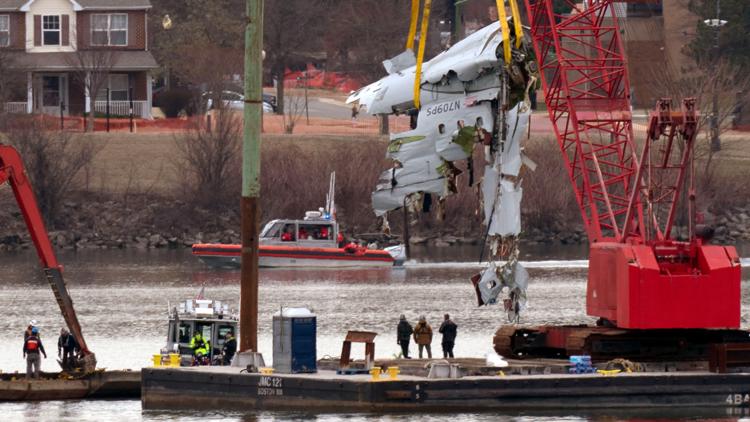
A public hearing convened on March 15, 2023, to examine the factors that contributed to a tragic midair collision near Washington, D.C., claiming the lives of 67 individuals. The National Transportation Safety Board (NTSB) is leading this inquiry to provide clarity on the circumstances surrounding the incident and to prevent future tragedies.
During the hearing, officials discussed various elements that may have influenced the collision. Key areas of focus include pilot error, air traffic control communications, and potential mechanical failures. Experts and stakeholders are expected to present data and testimonies to dissect the events leading up to the fatal crash.
The NTSB aims to offer a thorough analysis of the incident, highlighting the importance of understanding how multiple factors can converge to create a catastrophic outcome. According to the NTSB’s preliminary report, the collision involved two aircraft that were operating in the same airspace at the time of the incident.
67 people lost their lives in the collision, marking it as one of the deadliest aviation accidents in recent history. The hearing serves not only as an investigation into the specific event but also as an opportunity to enhance overall flight safety. The NTSB plans to review regulatory practices and air traffic management systems to identify areas for improvement.
Experts from the Federal Aviation Administration (FAA) are also participating in the hearing. They are expected to address existing protocols and whether they adequately safeguard against such incidents. The FAA has already indicated that it is committed to implementing any necessary changes based on the findings of the NTSB’s investigation.
As the hearing progresses, families of the victims are following developments closely. Many have expressed a desire for accountability and transparency regarding the factors that led to the tragedy. Their hopes are that the findings will not only shed light on this incident but also contribute to broader changes in aviation safety standards.
The NTSB is expected to release a comprehensive report following the conclusion of this hearing, detailing its findings and recommendations. This report will play a critical role in shaping future regulations and practices aimed at enhancing aviation safety.
In conclusion, the NTSB’s efforts serve as a crucial reminder of the ongoing need for vigilance in aviation safety. The outcome of this inquiry may have far-reaching implications for how air travel is managed and regulated, potentially saving lives in the future.