UPDATE: Recent discussions have resurfaced predictions from the early 2000s that have aged poorly, highlighting how drastically the entertainment and tech landscapes have evolved. As of 2023, franchises like Pokémon continue to thrive, defying earlier skepticism about their longevity.
New reports confirm that predictions made in the early 2000s suggested Pokémon would fade into obscurity by 2003. Instead, the franchise has exploded, maintaining its status as a cultural phenomenon with ongoing video game releases, a successful TV series, and an extensive range of merchandise. This stark contrast between past predictions and current realities underscores the unpredictable nature of entertainment trends.
In another notable example, George Lucas once indicated he would not continue the Star Wars saga beyond the original six films, believing the narrative concluded satisfactorily with Darth Vader’s redemption in Episode VI. However, Lucasfilm has since revived the franchise with multiple new projects and series, including the recent successes in streaming platforms, proving that the galaxy far, far away remains as popular as ever.
Furthermore, the tech landscape has seen significant transformations that contradict earlier assessments. Despite skepticism surrounding Apple and its products, the company remains a dominant force globally, with the iPhone continuing to capture a significant market share. In 2023, even the most basic iPhone comes equipped with 128 GB of storage, illustrating the shift in consumer expectations and technology capabilities.
The entertainment industry also saw predictions about the decline of traditional media. For instance, Tom Cruise—now 61—has not only maintained his relevance but has flourished in the action movie sector, with the latest installment of the Mission: Impossible series receiving critical acclaim. These developments showcase a stark reminder of how the industry adapts and evolves, often against the odds.
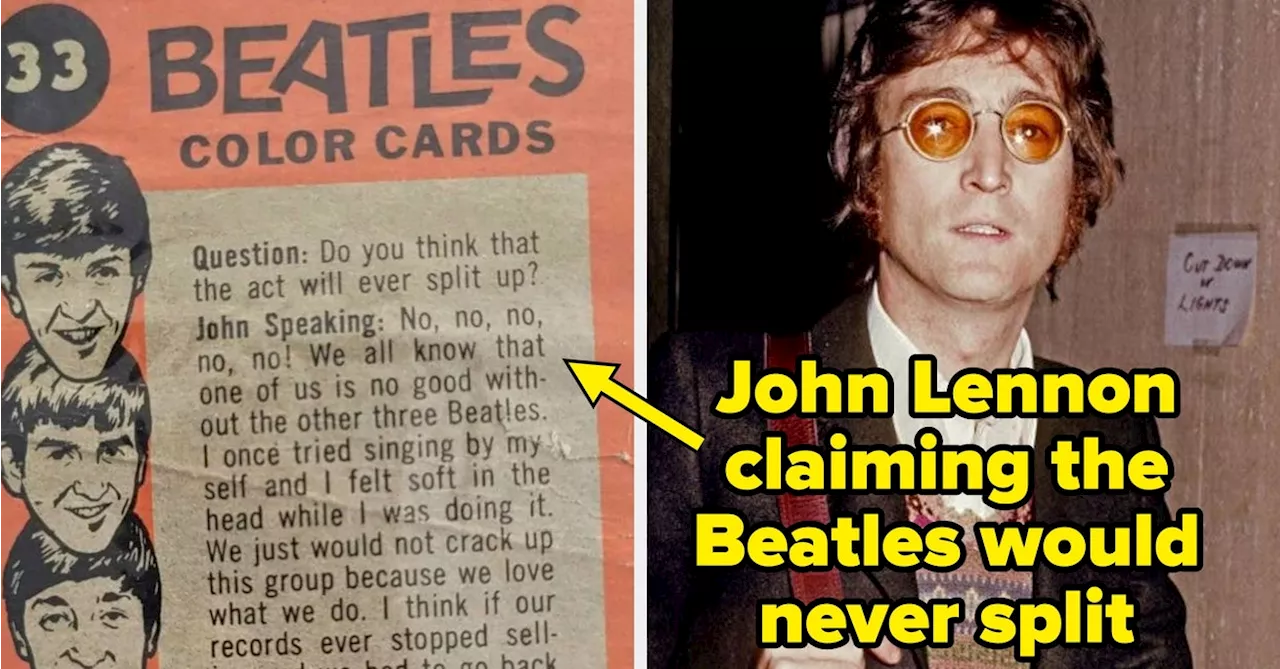
In music, the legacy of Engelbert Humperdinck was once thought to signify a bygone era of pop stardom. Yet, while he made waves in 1967, the landscape has shifted dramatically, with artists like The Beatles continuing to redefine music history. Humperdinck’s significance is overshadowed by the ongoing impact of legendary acts, demonstrating how rapidly fame can shift in the music industry.
Additionally, societal predictions, such as the rise of the anti-vax movement and increased misinformation on platforms like X (formerly Twitter), have highlighted the evolving challenges of our digital age. As the world confronts ongoing health crises, the discussions surrounding science and public health have intensified, revealing a growing divide that continues to impact global discourse.
As we look to the future, the conversation surrounding technological advancements, particularly in AI and media, remains urgent. With platforms now enabling the creation of photorealistic videos from text descriptions, the landscape of creativity is changing faster than many anticipated. Experts suggest that these advancements could reshape how we consume and interact with media in the coming years.
What’s Next: As we continue to witness rapid changes, industry watchers will be closely monitoring how these trends develop. The entertainment and tech industries are in constant flux, and further surprises are expected as new innovations emerge and previous predictions are challenged.
Stay tuned for more updates as these stories evolve, highlighting the dynamic nature of our world and the surprising turns it continues to take.